
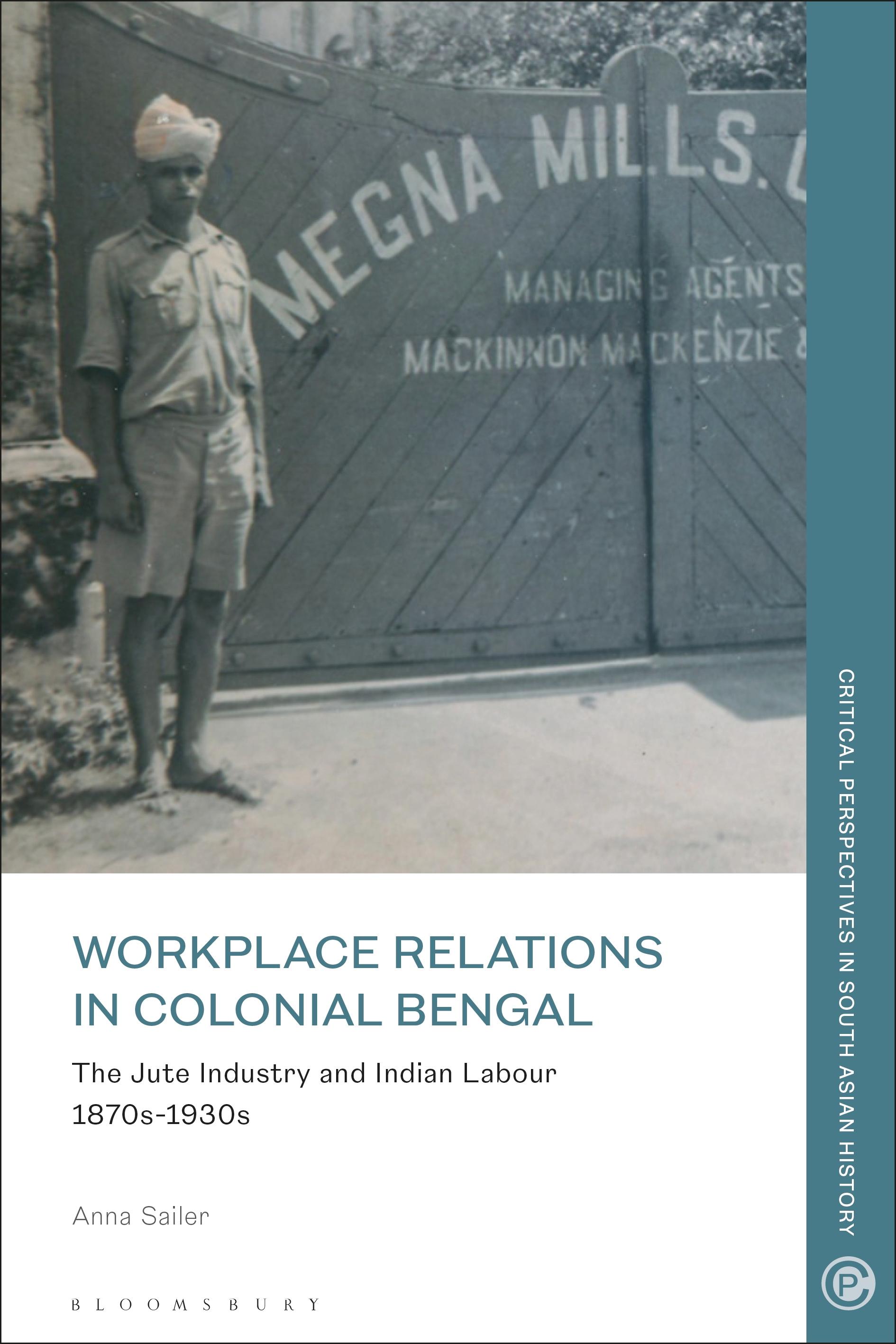
This book connects the history of labour movements with the transformation of workplace relations in South Asia from the late 19th century to the 1930s. Contending that labour conflicts in the Bengal jute industry must be understood against the backdrop of a radical change in the organisation of work in this period, Sailer shows how this led to a rupture in worker's relations in the workplace and beyond.
Moving away from polarities such as class/culture or modernity/tradition and reconsidering the context around industrial conflicts in this period, Workplace relations in Colonial Bengal offers a new framework to analyse the changing organisation of work in colonial India, and identifies the implications for worker relations both inside and outside the factory. Focusing on a major colonial era industry, this book opens up new perspectives n the history of workers and colonial capitalism in modern India.
Moving away from polarities such as class/culture or modernity/tradition and reconsidering the context around industrial conflicts in this period, Workplace relations in Colonial Bengal offers a new framework to analyse the changing organisation of work in colonial India, and identifies the implications for worker relations both inside and outside the factory. Focusing on a major colonial era industry, this book opens up new perspectives n the history of workers and colonial capitalism in modern India.
Paga fácilmente con tarjeta, Klarna, Apple Pay o Google Pay. ¿No estás contento? Siempre tienes 14 días de garantía de devolución. Lee más en nuestros términos. Si tienes preguntas, escríbenos a hello@memmo.org.
Memmo hace que estudiar sea más fácil, estés donde estés. Aquí tienes tus libros de texto y herramientas de estudio inteligentes en un solo lugar: resúmenes, quizzes, podcasts y flashcards. Y también a Ted, tu compañero de estudio que responde a todo lo que te preguntes. Más de 50 000 estudiantes ya estudian aquí. Está hecho para que aprendas más rápido y te estreses menos.