
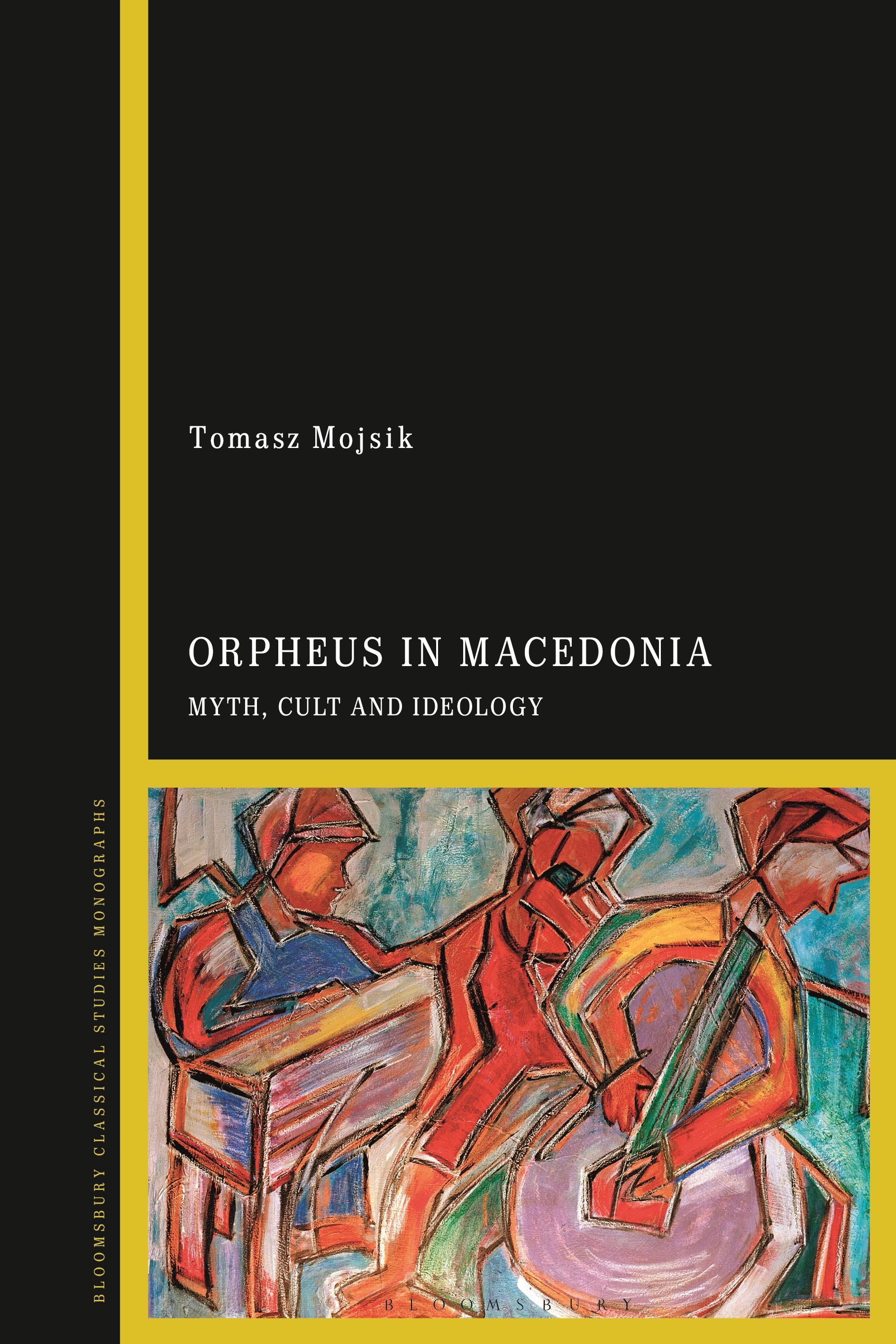
The mythological hero Orpheus occupied a central role in ancient Greek culture, but 'the son of Oeagrus' and 'Thracian musician' venerated by the Greeks has also become a prominent figure in a long tradition of classical reception of Greek myth. This book challenges our entrenched idea of Orpheus and demonstrates that in the Classical and Hellenistic periods depictions of his identity and image were not as unequivocal as we tend to believe today.
Concentrating on Orpheus' ethnicity and geographical references in ancient sources, Tomasz Mojsik traces the development of, and changes in, the mythological image of the hero in Antiquity and sheds new light on contemporary constructions of cultural identity by locating the various versions of the mythical story within their socio-political contexts. Examination of the early literary sources prompts a reconsideration of the tradition which locates the tomb of the hero in Macedonian Pieria, and the volume argues for the emergence of this tradition as a reaction to the allegation of the barbarity and civilizational backwardness of the Macedonians throughout the wider Greek world. These assertions have important implications for Archelaus' Hellenizing policy and his commonly acknowledged sponsorship of the arts, which included his incorporating of the Muses into the cult of Zeus at the Olympia in Dium.
Concentrating on Orpheus' ethnicity and geographical references in ancient sources, Tomasz Mojsik traces the development of, and changes in, the mythological image of the hero in Antiquity and sheds new light on contemporary constructions of cultural identity by locating the various versions of the mythical story within their socio-political contexts. Examination of the early literary sources prompts a reconsideration of the tradition which locates the tomb of the hero in Macedonian Pieria, and the volume argues for the emergence of this tradition as a reaction to the allegation of the barbarity and civilizational backwardness of the Macedonians throughout the wider Greek world. These assertions have important implications for Archelaus' Hellenizing policy and his commonly acknowledged sponsorship of the arts, which included his incorporating of the Muses into the cult of Zeus at the Olympia in Dium.
Paga fácilmente con tarjeta, Klarna, Apple Pay o Google Pay. ¿No estás contento? Siempre tienes 14 días de garantía de devolución. Lee más en nuestros términos. Si tienes preguntas, escríbenos a hello@memmo.org.
Memmo hace que estudiar sea más fácil, estés donde estés. Aquí tienes tus libros de texto y herramientas de estudio inteligentes en un solo lugar: resúmenes, quizzes, podcasts y flashcards. Y también a Ted, tu compañero de estudio que responde a todo lo que te preguntes. Más de 50 000 estudiantes ya estudian aquí. Está hecho para que aprendas más rápido y te estreses menos.