
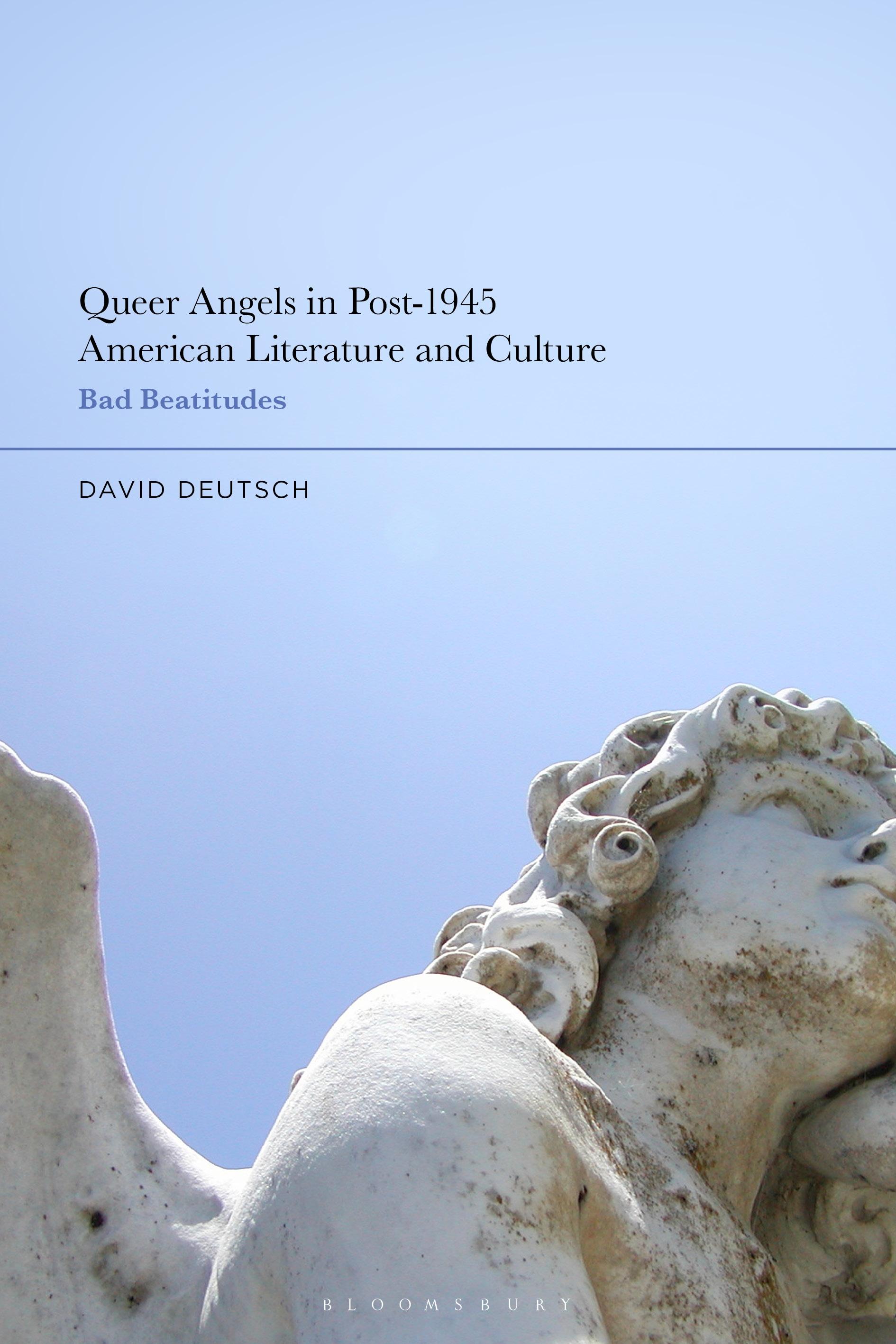
From Allen Ginsberg's 'angel-headed hipsters' to angelic outlaws in Essex Hemphill's Conditions, angelic imagery is pervasive in queer American art and culture. This book examines how the period after 1945 expanded a unique mixture of sacred and profane angelic imagery in American literature and culture to fashion queer characters, primarily gay men, as embodiments of 'bad beatitudes'.
Deutsch explores how authors across diverse ethnic and religious backgrounds, including John Rechy, Richard Bruce Nugent, Allen Ginsberg, and Rabih Alameddine, sought to find the sacred in the profane and the profane in the sacred. Exploring how these writers used the trope of angelic outlaws to celebrate men who rebelled wilfully and nobly against religious, medical, legal and social repression in American society, this book sheds new light on dissent and queer identities in postmodern American literature.
Deutsch explores how authors across diverse ethnic and religious backgrounds, including John Rechy, Richard Bruce Nugent, Allen Ginsberg, and Rabih Alameddine, sought to find the sacred in the profane and the profane in the sacred. Exploring how these writers used the trope of angelic outlaws to celebrate men who rebelled wilfully and nobly against religious, medical, legal and social repression in American society, this book sheds new light on dissent and queer identities in postmodern American literature.
Paga fácilmente con tarjeta, Klarna, Apple Pay o Google Pay. ¿No estás contento? Siempre tienes 14 días de garantía de devolución. Lee más en nuestros términos. Si tienes preguntas, escríbenos a hello@memmo.org.
Memmo hace que estudiar sea más fácil, estés donde estés. Aquí tienes tus libros de texto y herramientas de estudio inteligentes en un solo lugar: resúmenes, quizzes, podcasts y flashcards. Y también a Ted, tu compañero de estudio que responde a todo lo que te preguntes. Más de 50 000 estudiantes ya estudian aquí. Está hecho para que aprendas más rápido y te estreses menos.