
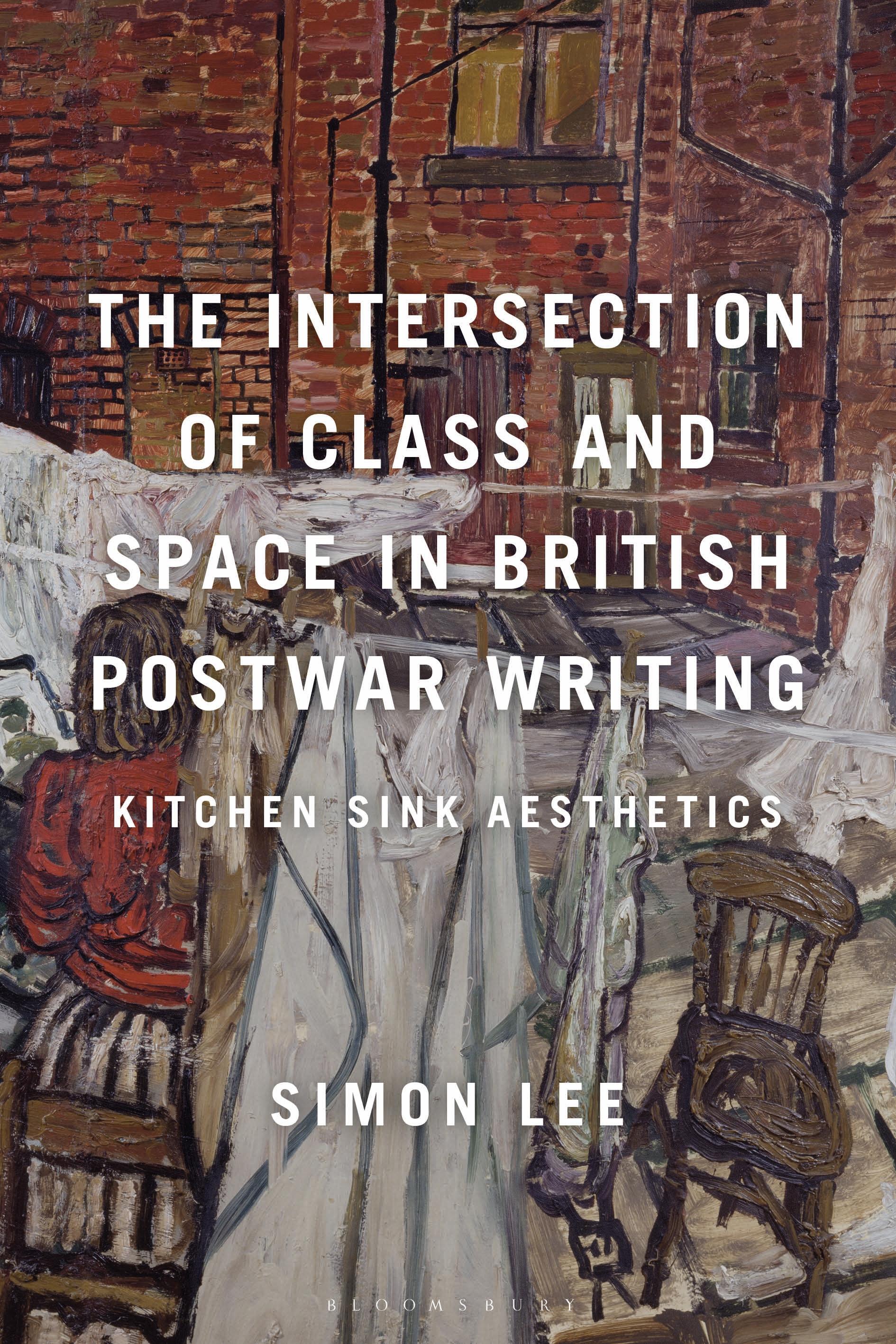
Centering on the British kitchen sink realism movement of the late 1950s and early 1960s, specifically its documentation of the built environment's influence on class consciousness, this book highlights the settings of a variety of novels, plays, and films, turning to archival research to offer new ways of thinking about how spatial representation in cultural production sustains or intervenes in the process of social stratification.
As a movement that used gritty, documentary-style depictions of space to highlight the complexities of working-class life, the period's texts chronicled shifts in the social and topographic landscape while advancing new articulations of citizenship in response to the failures of post-war reconstruction. By exploring the impact of space on class, this book addresses the contention that critical discourse has overlooked the way the built environment informs class identity.
As a movement that used gritty, documentary-style depictions of space to highlight the complexities of working-class life, the period's texts chronicled shifts in the social and topographic landscape while advancing new articulations of citizenship in response to the failures of post-war reconstruction. By exploring the impact of space on class, this book addresses the contention that critical discourse has overlooked the way the built environment informs class identity.
Paga fácilmente con tarjeta, Klarna, Apple Pay o Google Pay. ¿No estás contento? Siempre tienes 14 días de garantía de devolución. Lee más en nuestros términos. Si tienes preguntas, escríbenos a hello@memmo.org.
Memmo hace que estudiar sea más fácil, estés donde estés. Aquí tienes tus libros de texto y herramientas de estudio inteligentes en un solo lugar: resúmenes, quizzes, podcasts y flashcards. Y también a Ted, tu compañero de estudio que responde a todo lo que te preguntes. Más de 50 000 estudiantes ya estudian aquí. Está hecho para que aprendas más rápido y te estreses menos.