
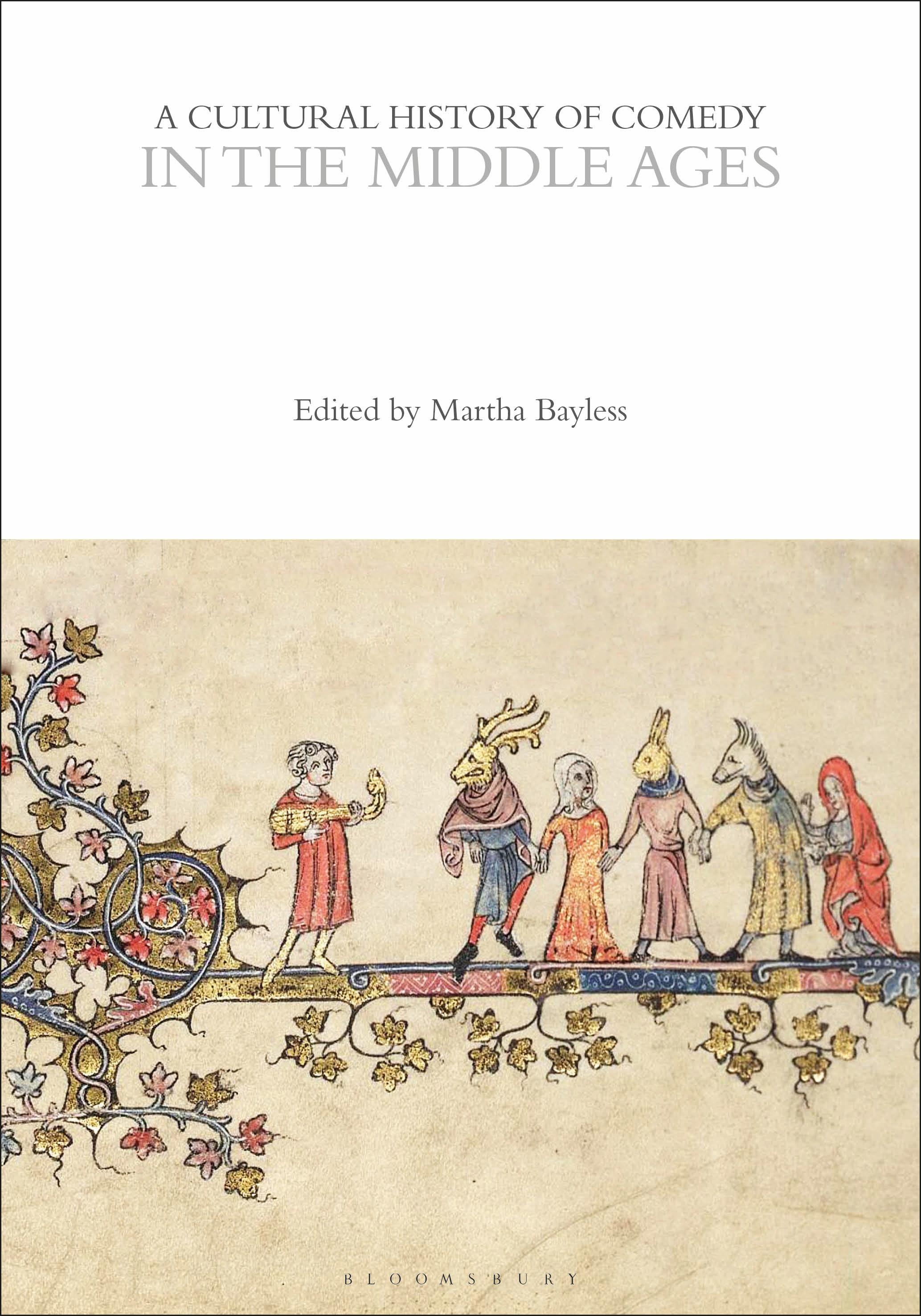
Comedy and humor flourished in manifold forms in the Middle Ages. This volume, covering the period from 1000 to 1400 CE, examines the themes, practice, and effects of medieval comedy, from the caustic morality of principled satire to the exuberant improprieties of many wildly popular tales of sex and trickery. The analysis includes the most influential authors of the age, such as Chaucer, Boccaccio, Juan Ruiz, and Hrothswitha of Gandersheim, as well as lesser-known works and genres, such as songs of insult, nonsense-texts, satirical church paintings, topical jokes, and obscene pilgrim badges. The analysis touches on most of the literatures of medieval Europe, including a discussion of the formal attitudes toward humor in Christian, Jewish, and Islamic traditions. The volume demonstrates the many ways in which medieval humor could be playful, casual, sophisticated, important, subversive, and even dangerous.
Each chapter takes a different theme as its focus: form, theory, praxis, identities, the body, politics and power, laughter, and ethics.
Each chapter takes a different theme as its focus: form, theory, praxis, identities, the body, politics and power, laughter, and ethics.
Paga fácilmente con tarjeta, Klarna, Apple Pay o Google Pay. ¿No estás contento? Siempre tienes 14 días de garantía de devolución. Lee más en nuestros términos. Si tienes preguntas, escríbenos a hello@memmo.org.
Memmo hace que estudiar sea más fácil, estés donde estés. Aquí tienes tus libros de texto y herramientas de estudio inteligentes en un solo lugar: resúmenes, quizzes, podcasts y flashcards. Y también a Ted, tu compañero de estudio que responde a todo lo que te preguntes. Más de 50 000 estudiantes ya estudian aquí. Está hecho para que aprendas más rápido y te estreses menos.