
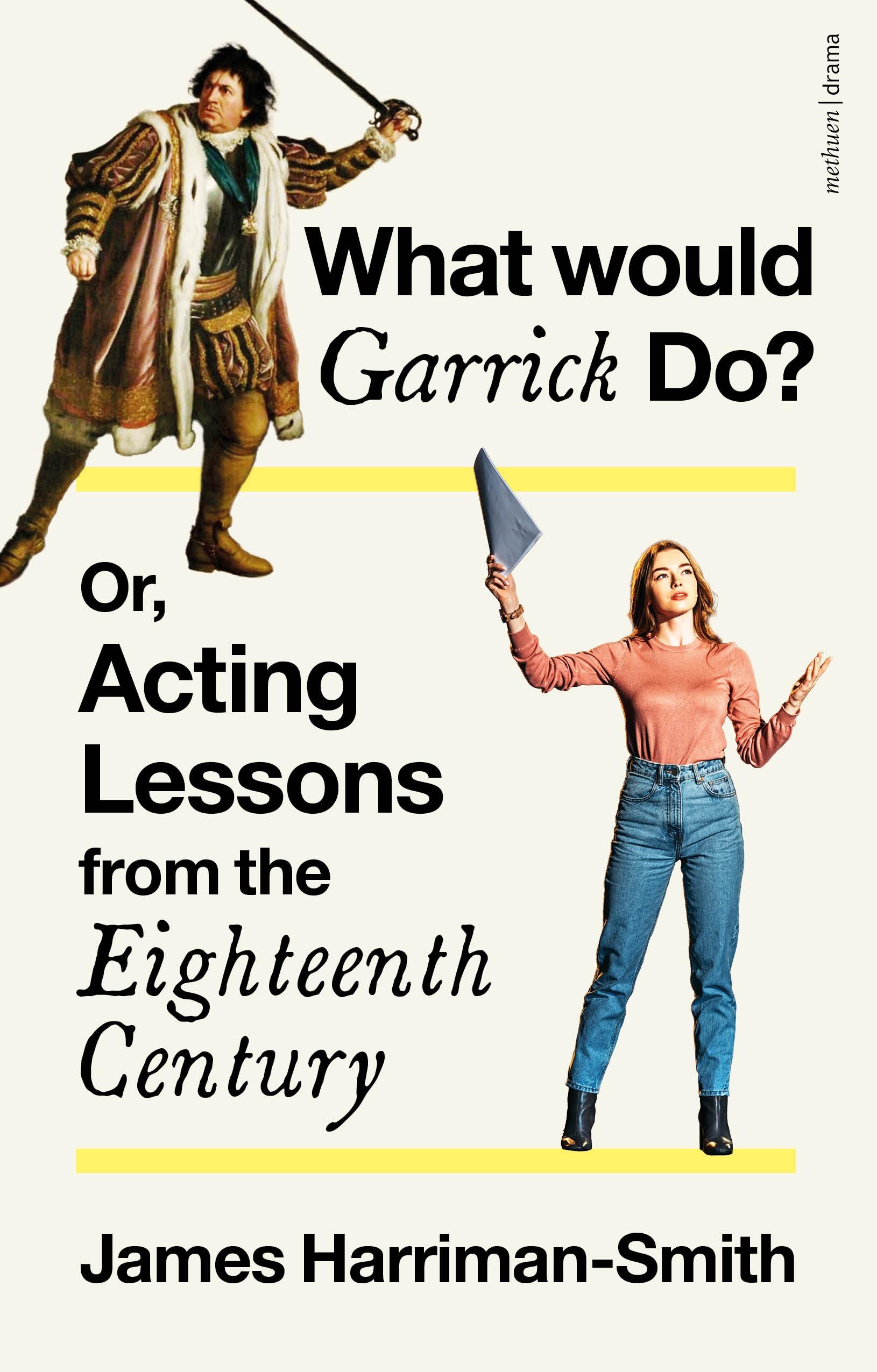
Shortlisted for the STR Theatre Book Prize 2025
The stage of the 1700s established a star culture, with the emergence of such acting celebrities as David Garrick, Susannah Cibber, and Sarah Siddons. It placed Shakespeare at the heart of the classical repertoire and offered unprecedented opportunities to female actors. This book demonstrates how an understanding of the practice and theories circulating three hundred years ago can generate new ways of studying and performing plays of all kinds in the present.
Eight short essays – on emotions, cultivation, character, voice, action, company, audience, and reflection – provide two things: a vivid introduction to the practice and ideas of the eighteenth-century stage, and the story of how these past practices and ideas were used in collaborative workshops around the UK to create new rehearsal exercises. Designed to work alone or in combination, these exercises are also open to further adaptation and analysis as part of a work that treats theatre writers of the past as potential collaborators for those interested in theatre today.
Marrying academic and professional theatre expertise, this book ranges through a vast archive of writing about acting, from private letters and battered promptbooks, through to philosophical treatises and celebrity biographies. The exercises, stories, and ideas shared here capture the strangeness of this material – and sometimes its surprising familiarity, as questions asked of actors then seem to anticipate those questions we ask now.
A truly unique offering, What would Garrick Do? Or, Acting Lessons from the Eighteenth Century offers a fascinating deep-dive into an important time in theatre history to illuminate practices and processes today.
The stage of the 1700s established a star culture, with the emergence of such acting celebrities as David Garrick, Susannah Cibber, and Sarah Siddons. It placed Shakespeare at the heart of the classical repertoire and offered unprecedented opportunities to female actors. This book demonstrates how an understanding of the practice and theories circulating three hundred years ago can generate new ways of studying and performing plays of all kinds in the present.
Eight short essays – on emotions, cultivation, character, voice, action, company, audience, and reflection – provide two things: a vivid introduction to the practice and ideas of the eighteenth-century stage, and the story of how these past practices and ideas were used in collaborative workshops around the UK to create new rehearsal exercises. Designed to work alone or in combination, these exercises are also open to further adaptation and analysis as part of a work that treats theatre writers of the past as potential collaborators for those interested in theatre today.
Marrying academic and professional theatre expertise, this book ranges through a vast archive of writing about acting, from private letters and battered promptbooks, through to philosophical treatises and celebrity biographies. The exercises, stories, and ideas shared here capture the strangeness of this material – and sometimes its surprising familiarity, as questions asked of actors then seem to anticipate those questions we ask now.
A truly unique offering, What would Garrick Do? Or, Acting Lessons from the Eighteenth Century offers a fascinating deep-dive into an important time in theatre history to illuminate practices and processes today.
Páginas: 256
Categoría: Drama, Teater & Scenkonst
e-ISBN: 9781350171985
Peso de envío: 1.2 kg
Envío en: 1-2 días
Paga fácilmente con tarjeta, Klarna, Apple Pay o Google Pay. ¿No estás contento? Siempre tienes 14 días de garantía de devolución. Lee más en nuestros términos. Si tienes preguntas, escríbenos a hello@memmo.org.
Memmo hace que estudiar sea más fácil, estés donde estés. Aquí tienes tus libros de texto y herramientas de estudio inteligentes en un solo lugar: resúmenes, quizzes, podcasts y flashcards. Y también a Ted, tu compañero de estudio que responde a todo lo que te preguntes. Más de 50 000 estudiantes ya estudian aquí. Está hecho para que aprendas más rápido y te estreses menos.