
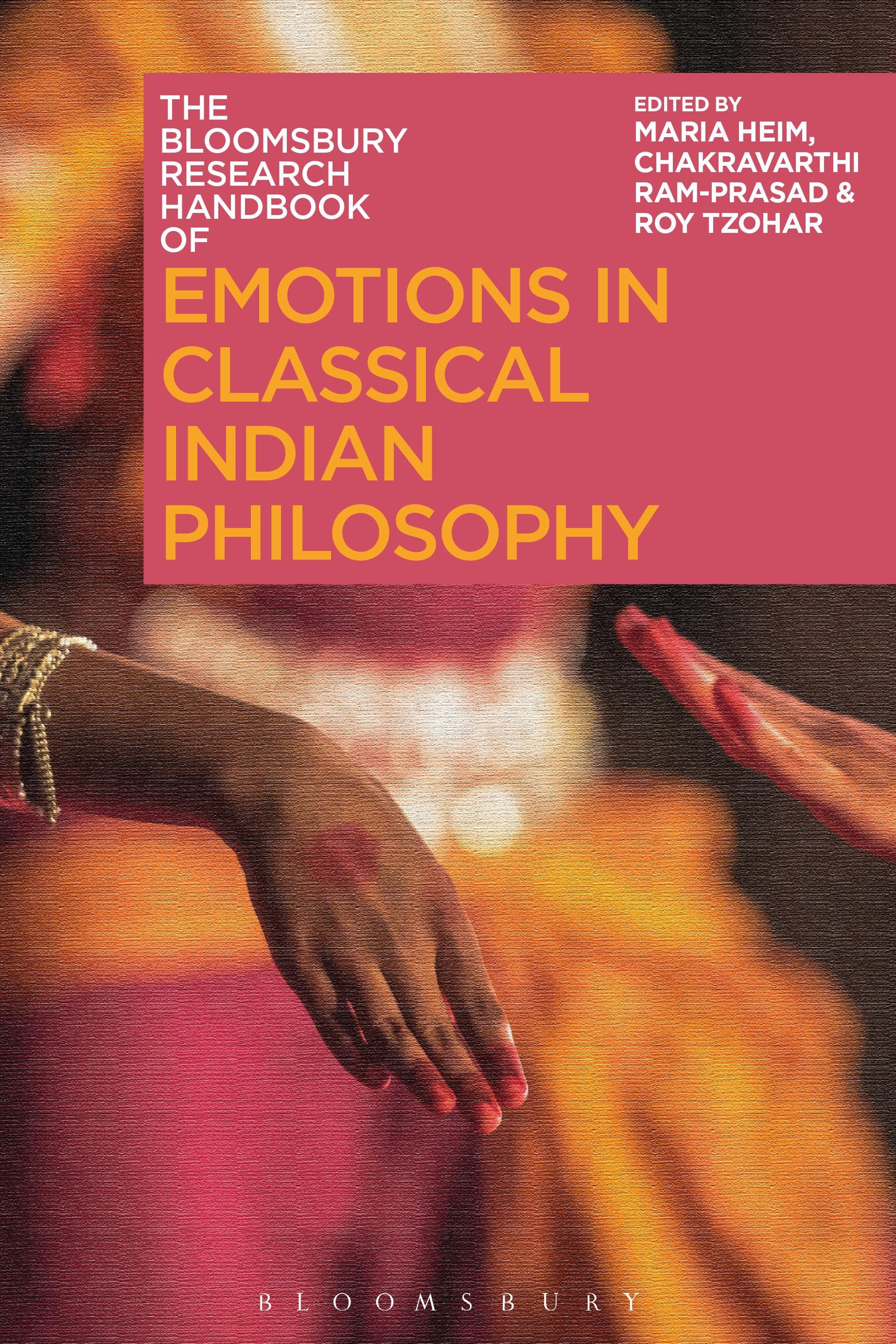
Drawing on a rich variety of premodern Indian texts across multiple traditions, genres, and languages, this collection explores how emotional experience is framed, evoked, and theorized in order to offer compelling insights into human subjectivity.
Rather than approaching emotion through the prism of Western theory, a team of leading scholars of Indian traditions showcases the literary texture, philosophical reflections, and theoretical paradigms that classical Indian sources provide in their own right. The focus is on how the texts themselves approach those dimensions of the human condition we may intuitively think of as being about emotion, without pre-judging what that might be. The result is a collection that reveals the range and diversity of phenomena that benefit from being gathered under the formal term “emotion”, but which in fact open up what such theorisation, representation, and expression might contribute to a cross-cultural understanding of this term. In doing so, these chapters contribute to a cosmopolitan, comparative, and pluralistic conception of human experience.
Adopting a broad phenomenological methodology, this handbook reframes debates on emotion within classical Indian thought and is an invaluable resource for researchers and students seeking to understand the field beyond the Western tradition.
Rather than approaching emotion through the prism of Western theory, a team of leading scholars of Indian traditions showcases the literary texture, philosophical reflections, and theoretical paradigms that classical Indian sources provide in their own right. The focus is on how the texts themselves approach those dimensions of the human condition we may intuitively think of as being about emotion, without pre-judging what that might be. The result is a collection that reveals the range and diversity of phenomena that benefit from being gathered under the formal term “emotion”, but which in fact open up what such theorisation, representation, and expression might contribute to a cross-cultural understanding of this term. In doing so, these chapters contribute to a cosmopolitan, comparative, and pluralistic conception of human experience.
Adopting a broad phenomenological methodology, this handbook reframes debates on emotion within classical Indian thought and is an invaluable resource for researchers and students seeking to understand the field beyond the Western tradition.
Paga fácilmente con tarjeta, Klarna, Apple Pay o Google Pay. ¿No estás contento? Siempre tienes 14 días de garantía de devolución. Lee más en nuestros términos. Si tienes preguntas, escríbenos a hello@memmo.org.
Memmo hace que estudiar sea más fácil, estés donde estés. Aquí tienes tus libros de texto y herramientas de estudio inteligentes en un solo lugar: resúmenes, quizzes, podcasts y flashcards. Y también a Ted, tu compañero de estudio que responde a todo lo que te preguntes. Más de 50 000 estudiantes ya estudian aquí. Está hecho para que aprendas más rápido y te estreses menos.