
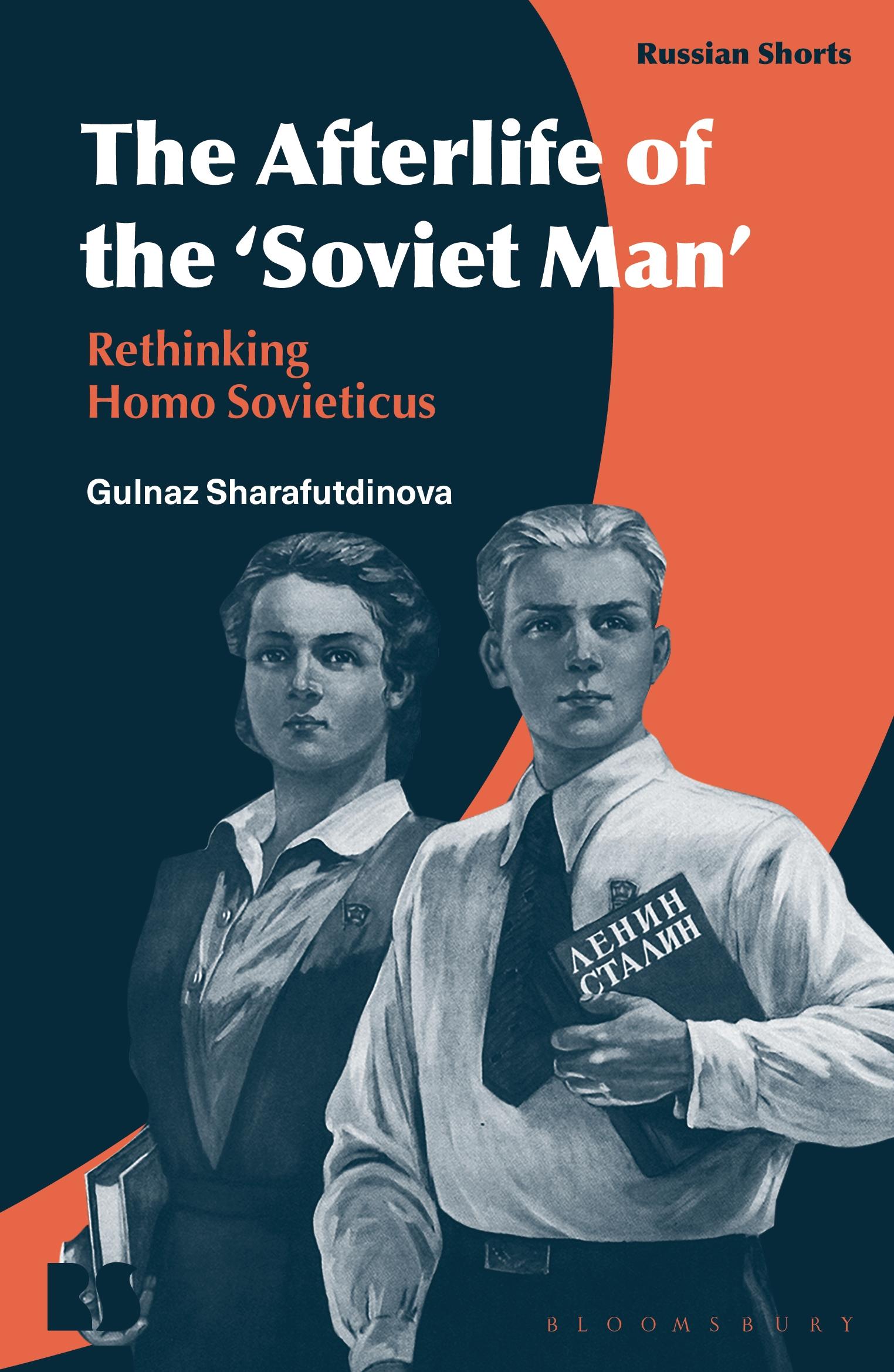
Almost three decades after the collapse of the Soviet Union, today more often than ever, global media and intellectuals rely on the concept of homo sovieticus to explain Russia's authoritarian ills. Homo sovieticus - or the Soviet man - is understood to be a double-thinking, suspicious and fearful conformist with no morality, an innate obedience to authority and no public demands; they have been forged in the fires of the totalitarian conditions in which they find themselves.
But where did this concept come from? What analytical and ideological pillars does it stand on? What is at stake in using this term today? The Afterlife of the 'Soviet Man' addresses all these questions and even explains why – at least in its contemporary usage – this concept should be abandoned altogether.
But where did this concept come from? What analytical and ideological pillars does it stand on? What is at stake in using this term today? The Afterlife of the 'Soviet Man' addresses all these questions and even explains why – at least in its contemporary usage – this concept should be abandoned altogether.
Paga fácilmente con tarjeta, Klarna, Apple Pay o Google Pay. ¿No estás contento? Siempre tienes 14 días de garantía de devolución. Lee más en nuestros términos. Si tienes preguntas, escríbenos a hello@memmo.org.
Memmo hace que estudiar sea más fácil, estés donde estés. Aquí tienes tus libros de texto y herramientas de estudio inteligentes en un solo lugar: resúmenes, quizzes, podcasts y flashcards. Y también a Ted, tu compañero de estudio que responde a todo lo que te preguntes. Más de 50 000 estudiantes ya estudian aquí. Está hecho para que aprendas más rápido y te estreses menos.