
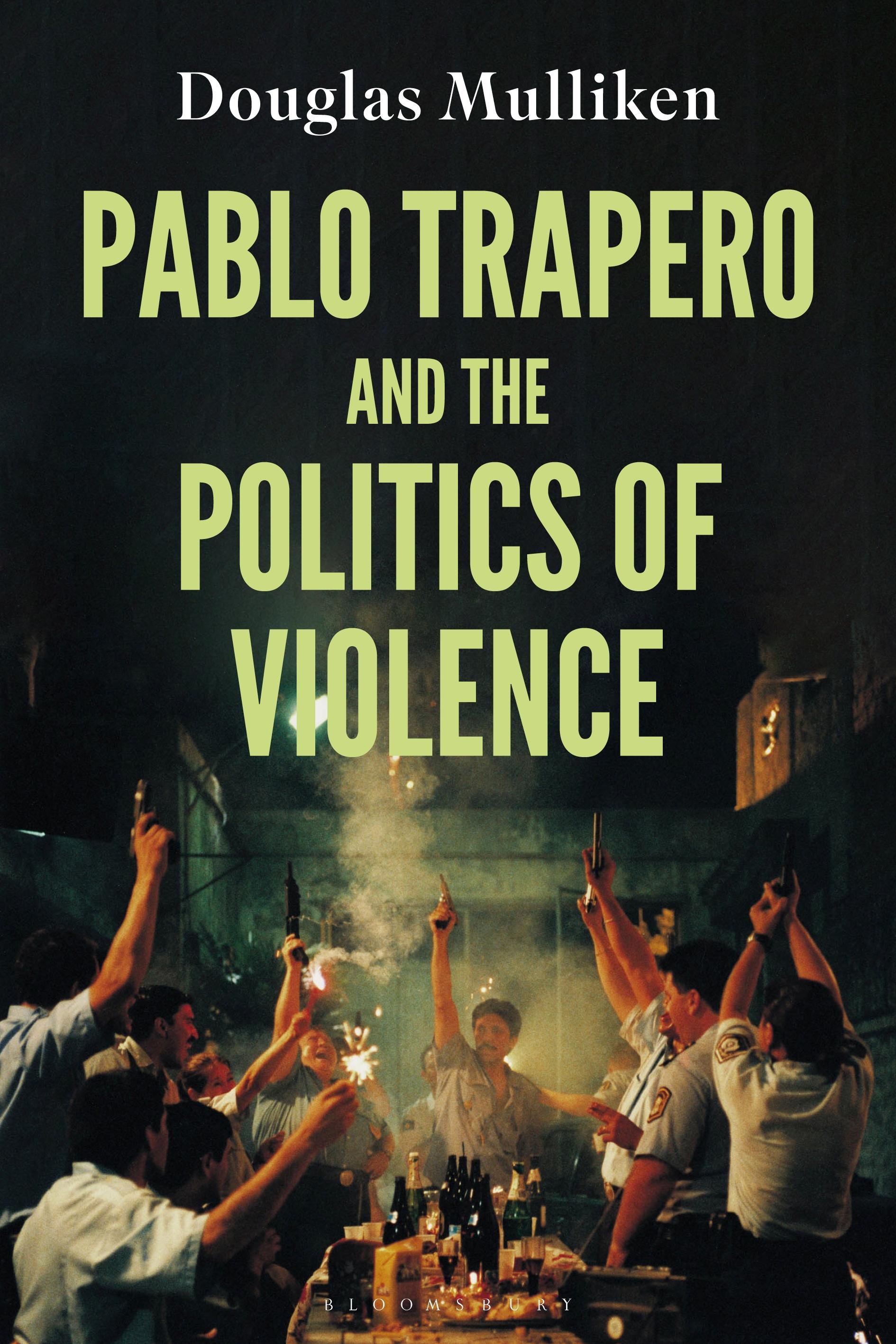
This innovative study finds that, through his unique representation of violence, Argentine director Pablo Trapero has established himself as one of the 21st century's distinctly political filmmakers. By examining the broad concept of violence and how it is represented on-screen, Douglas Mulliken identifies and analyzes the ways in which Trapero utilizes violence, particularly Žižek's concept of objective violence, as a means through which to mediate the political
Through a focus on several previously under-studied elements of Trapero's films, Mulliken highlights the ways in which the director's work represents present-day concerns about social inequalities and injustice in neoliberal Argentina on-screen. Finally, he examines how Trapero combines aspects of Argentina's long tradition of political film with elements of Nuevo Cine Argentino to create a unique political voice.
Through a focus on several previously under-studied elements of Trapero's films, Mulliken highlights the ways in which the director's work represents present-day concerns about social inequalities and injustice in neoliberal Argentina on-screen. Finally, he examines how Trapero combines aspects of Argentina's long tradition of political film with elements of Nuevo Cine Argentino to create a unique political voice.
Paga fácilmente con tarjeta, Klarna, Apple Pay o Google Pay. ¿No estás contento? Siempre tienes 14 días de garantía de devolución. Lee más en nuestros términos. Si tienes preguntas, escríbenos a hello@memmo.org.
Memmo hace que estudiar sea más fácil, estés donde estés. Aquí tienes tus libros de texto y herramientas de estudio inteligentes en un solo lugar: resúmenes, quizzes, podcasts y flashcards. Y también a Ted, tu compañero de estudio que responde a todo lo que te preguntes. Más de 50 000 estudiantes ya estudian aquí. Está hecho para que aprendas más rápido y te estreses menos.