
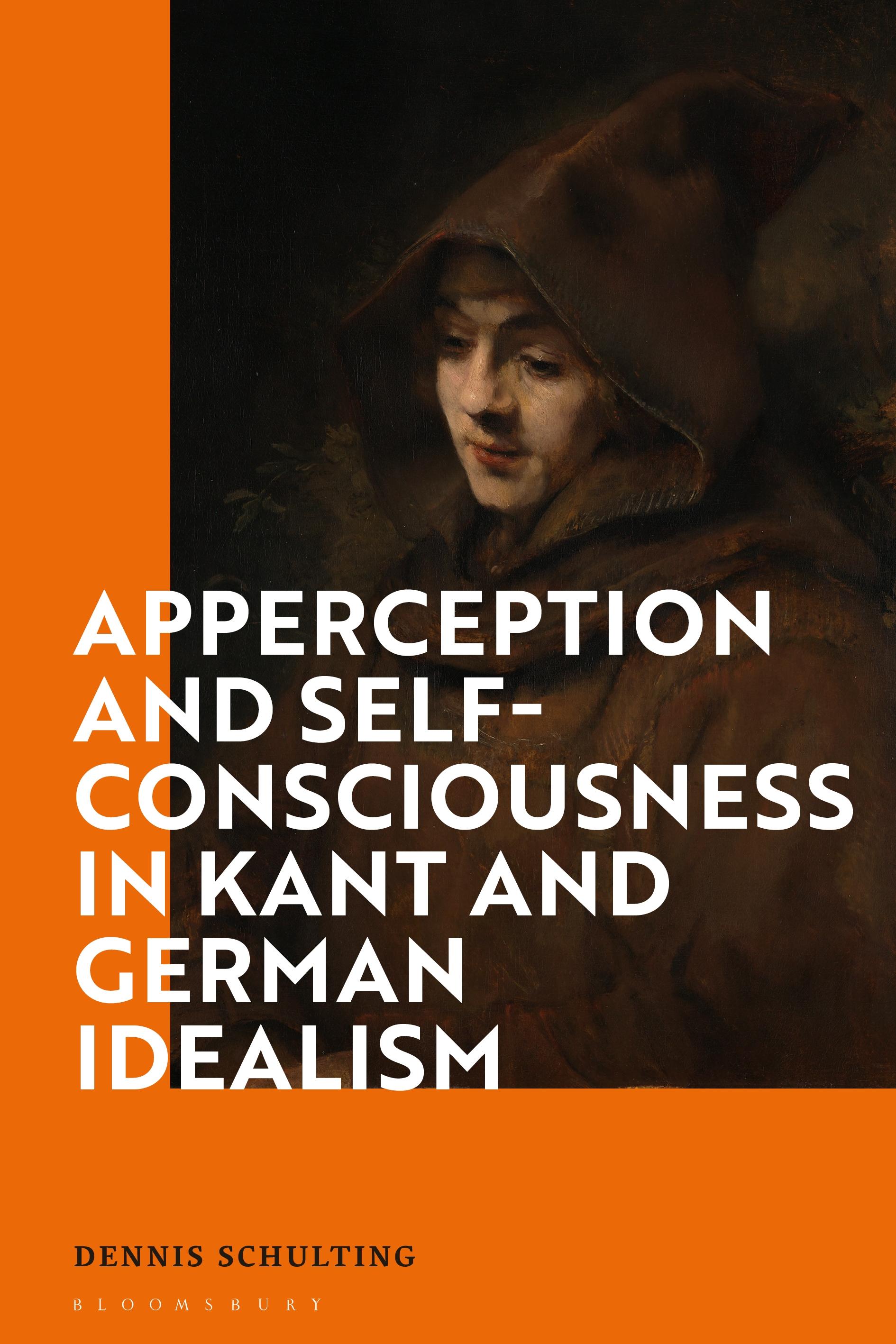
In Apperception and Self-Consciousness in Kant and German Idealism, Dennis Schulting examines the themes of reflexivity, self-consciousness, representation and apperception in the philosophy of Immanuel Kant and German Idealism more widely. Central to Schulting's argument is the claim that all human experience is inherently self-referential and that this is part of a self-reflexivity of thought, or what is called transcendental apperception, a Kantian insight that was first apparent in the work of Christian Wolff and came to inform all of German Idealism.
In this rigorous text, Schulting establishes the historical roots of Kant's thought and traces it through to his immediate successors, Karl Leonhard Reinhold, Johann Gottlieb Fichte and Georg Wilhelm Friedrich Hegel. He specifically examines the cognitive role of selfconsciousness and its relation to idealism and situates it in a clear and coherent history of rationalist philosophy.
In this rigorous text, Schulting establishes the historical roots of Kant's thought and traces it through to his immediate successors, Karl Leonhard Reinhold, Johann Gottlieb Fichte and Georg Wilhelm Friedrich Hegel. He specifically examines the cognitive role of selfconsciousness and its relation to idealism and situates it in a clear and coherent history of rationalist philosophy.
Paga fácilmente con tarjeta, Klarna, Apple Pay o Google Pay. ¿No estás contento? Siempre tienes 14 días de garantía de devolución. Lee más en nuestros términos. Si tienes preguntas, escríbenos a hello@memmo.org.
Memmo hace que estudiar sea más fácil, estés donde estés. Aquí tienes tus libros de texto y herramientas de estudio inteligentes en un solo lugar: resúmenes, quizzes, podcasts y flashcards. Y también a Ted, tu compañero de estudio que responde a todo lo que te preguntes. Más de 50 000 estudiantes ya estudian aquí. Está hecho para que aprendas más rápido y te estreses menos.