
Shortlisted for the UK Literacy Association's Academic Book Award 2021
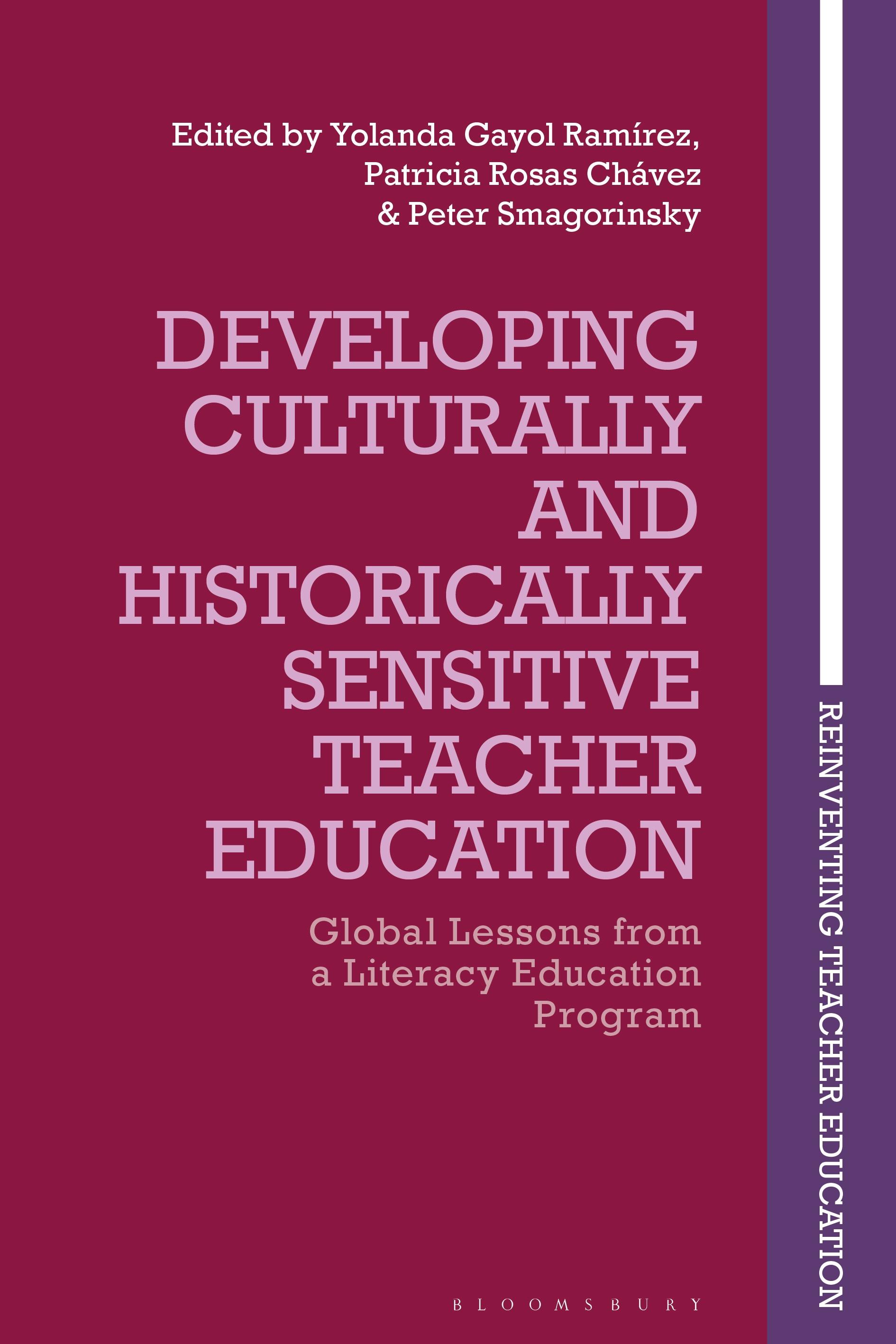
This volume explores the literacy education master's degree program developed at Universidad de Guadalajara in Jalisco, Mexico, with the aim of addressing the nation's emerging social, economic, technological, and political needs. Developing the program required taking into account the cultural diversity, historical economic disparities, indigenous and colonial cultures, and power inequities of the Mexican nation. These conditions have produced economic structures that maintain the status quo that concentrates wealth and opportunity in the hands of the very few, creating challenges for the education and economic life for the majority of the population. The program advocates providing tools for youth to critique and change their surroundings, while also learning the codes of power that provide them a repertoire of navigational means for producing satisfying lives.
Rather than arguing that the program can be replicated or taken to scale in different contexts, the editors focus on how their process of looking inward to consider Mexican cultures enabled them to develop an appropriate educational program to address Mexico's historically low literacy rates. They show that if all teaching and learning is context-dependent, then focusing on the process of program development, rather than on the outcomes that may or may not be easily applied to other settings, is appropriate for global educators seeking to provide literacy teacher education grounded in national concerns and challenges. The volume provides a process model for developing an organic program designed to address needs in a national context, especially one grounded in both colonial and heritage cultures and one in which literacy is understood as a tool for social critique, redress, advancement, and equity.
This volume explores the literacy education master's degree program developed at Universidad de Guadalajara in Jalisco, Mexico, with the aim of addressing the nation's emerging social, economic, technological, and political needs. Developing the program required taking into account the cultural diversity, historical economic disparities, indigenous and colonial cultures, and power inequities of the Mexican nation. These conditions have produced economic structures that maintain the status quo that concentrates wealth and opportunity in the hands of the very few, creating challenges for the education and economic life for the majority of the population. The program advocates providing tools for youth to critique and change their surroundings, while also learning the codes of power that provide them a repertoire of navigational means for producing satisfying lives.
Rather than arguing that the program can be replicated or taken to scale in different contexts, the editors focus on how their process of looking inward to consider Mexican cultures enabled them to develop an appropriate educational program to address Mexico's historically low literacy rates. They show that if all teaching and learning is context-dependent, then focusing on the process of program development, rather than on the outcomes that may or may not be easily applied to other settings, is appropriate for global educators seeking to provide literacy teacher education grounded in national concerns and challenges. The volume provides a process model for developing an organic program designed to address needs in a national context, especially one grounded in both colonial and heritage cultures and one in which literacy is understood as a tool for social critique, redress, advancement, and equity.
Paga fácilmente con tarjeta, Klarna, Apple Pay o Google Pay. ¿No estás contento? Siempre tienes 14 días de garantía de devolución. Lee más en nuestros términos. Si tienes preguntas, escríbenos a hello@memmo.org.
Memmo hace que estudiar sea más fácil, estés donde estés. Aquí tienes tus libros de texto y herramientas de estudio inteligentes en un solo lugar: resúmenes, quizzes, podcasts y flashcards. Y también a Ted, tu compañero de estudio que responde a todo lo que te preguntes. Más de 50 000 estudiantes ya estudian aquí. Está hecho para que aprendas más rápido y te estreses menos.