
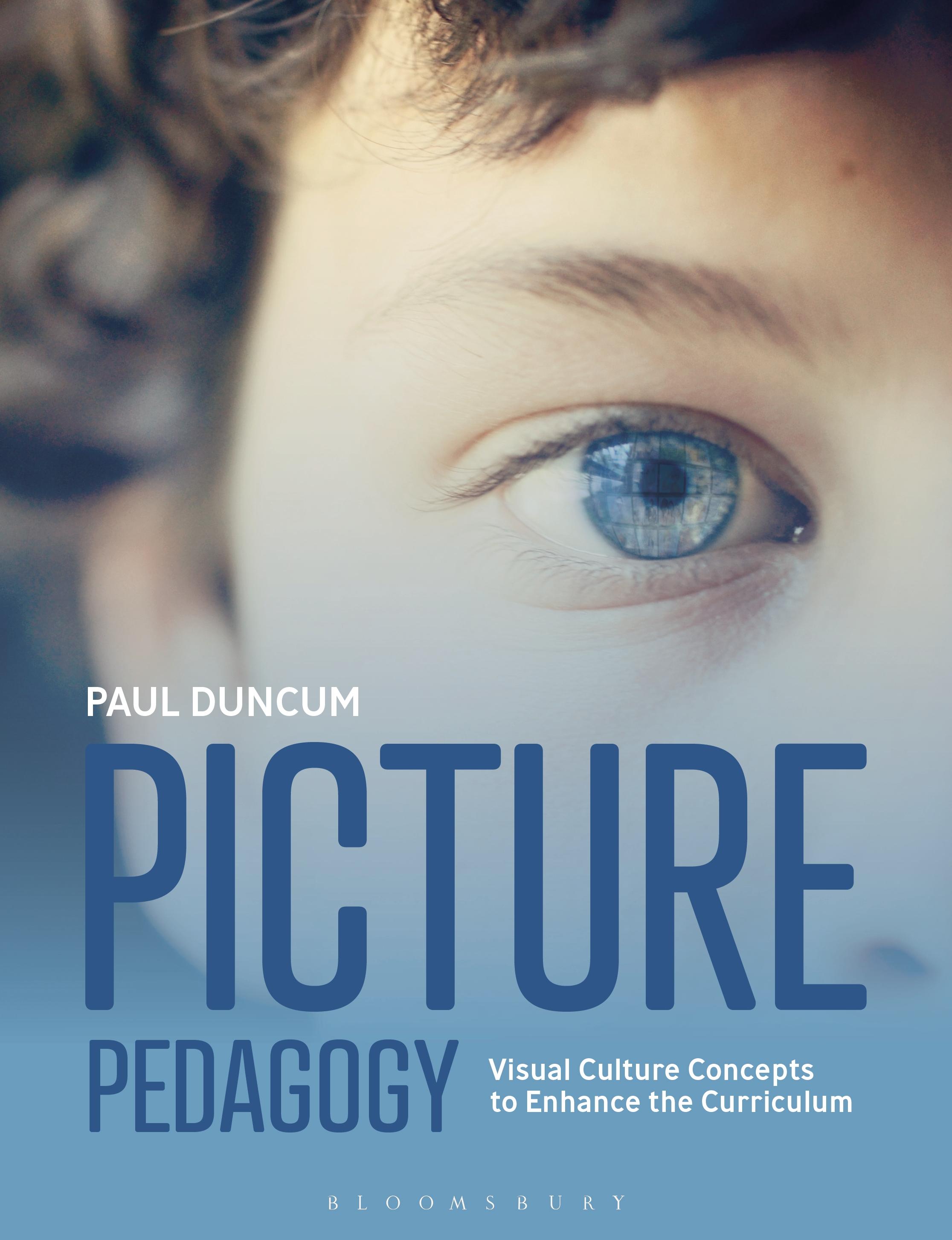
Contemporary societies are saturated with pictures. They are globally a part of everyday life, and they are seductive, offering values and beliefs in such highly pleasurable forms that it is often difficult to resist their power to persuade. Yet interpreting pictures is largely neglected in schools. Picture Pedagogy addresses this head on, showing that pictures can be used as a powerful form of classroom pedagogy. Duncum explores key concepts and curriculum examples to empower you to support students to develop a critical consciousness about pictures, whether teaching art, media, language or social studies. Drawing on the interpretive concepts of representation, rhetoric, ideology, aesthetic pleasure, intertextuality and the gaze, Duncum shows how you can develop your students' skills so that their power as viewers can match the power of pictures to seduce. Examples from the history of fine art and contemporary popular mass media, including Big Data and fake news, are drawn together and shown to be appealing to the same aesthetic pleasures. Often these pleasures are benign, but also problematic, helping to promote morally questionable ideas about a range of topics including gender, race and sexual orientation, and this is explored fully.
Paga fácilmente con tarjeta, Klarna, Apple Pay o Google Pay. ¿No estás contento? Siempre tienes 14 días de garantía de devolución. Lee más en nuestros términos. Si tienes preguntas, escríbenos a hello@memmo.org.
Memmo hace que estudiar sea más fácil, estés donde estés. Aquí tienes tus libros de texto y herramientas de estudio inteligentes en un solo lugar: resúmenes, quizzes, podcasts y flashcards. Y también a Ted, tu compañero de estudio que responde a todo lo que te preguntes. Más de 50 000 estudiantes ya estudian aquí. Está hecho para que aprendas más rápido y te estreses menos.