
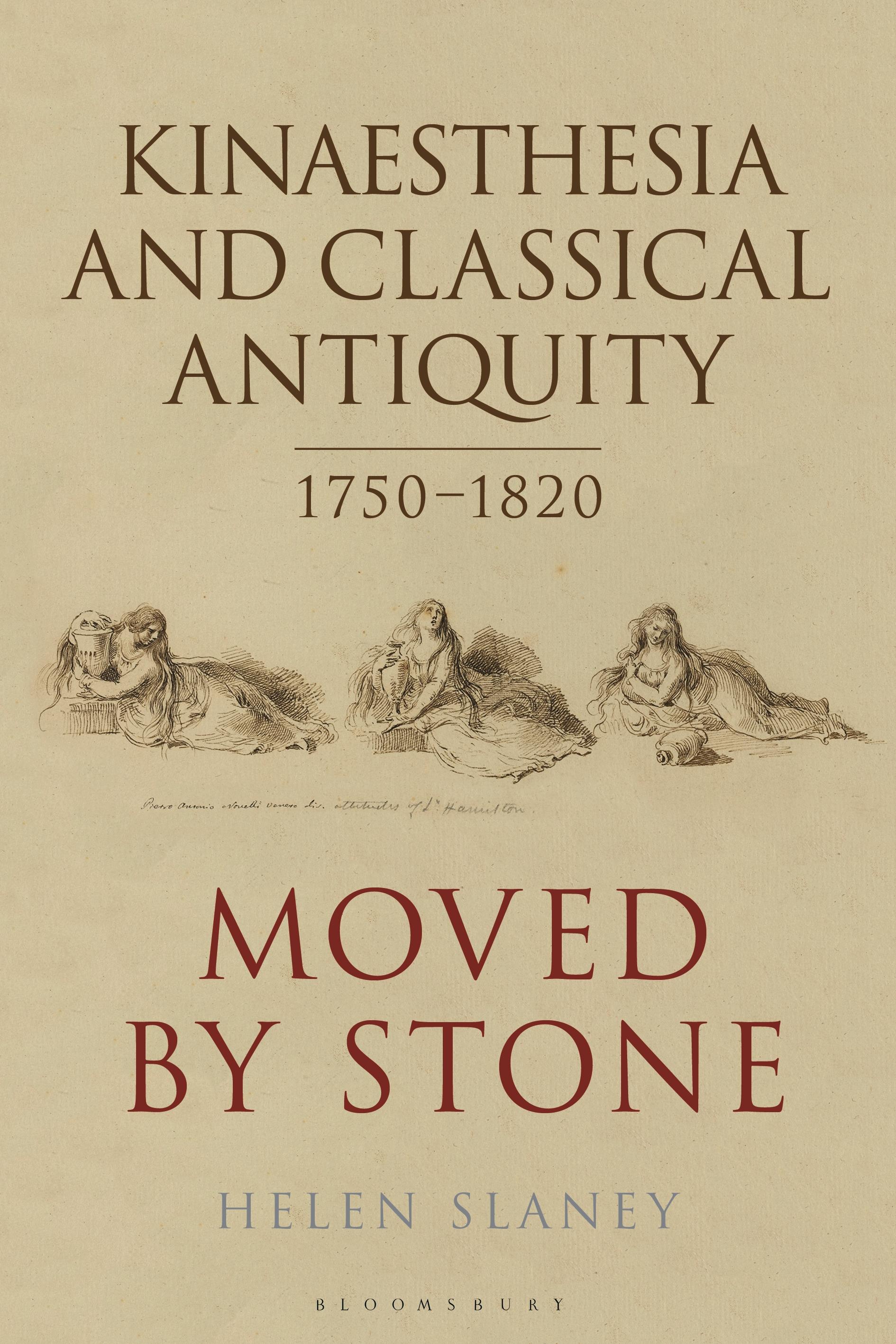
This book argues that touch and movement played a significant role, long overlooked, in generating perceptions of ancient material culture in the late 18th century. At this time the reception of classical antiquity had been transformed. Interactions with material culture – ruins, sculpture, and artefacts – formed the core of this transformation. Some such interactions were proto-archaeological, such as the Dilettanti expeditions to Athens and Asa Minor; others were touristic, seen in the guidebooks consulted by travellers to Rome and the diaries they composed; and others creative, resulting in novels, poetry, and dance performances. Some involved the reproduction of experience in a gallery or museum setting. What all encounters with ancient material culture had in common, however, is their haptic sensory basis.
The sense typically associated with the Enlightenment is vision, but this has obscured the equally important contribution made by touch and movement to the way in which a newly materialised Graeco-Roman world was perceived. Kinaesthesia, or the sense of self-movement, is rarely recognised in its own right, but because all encounters with sites and objects are embodied, and all embodiment takes place in motion, this sense is vital to forming more abstract or imaginative impressions. Theories of embodied cognition propose that all intellectual processes are also physical. This book shows how ideas about classical antiquity in the volatile milieu of the late 18th century developed as a result of diverse kinaesthetic relationships.
The sense typically associated with the Enlightenment is vision, but this has obscured the equally important contribution made by touch and movement to the way in which a newly materialised Graeco-Roman world was perceived. Kinaesthesia, or the sense of self-movement, is rarely recognised in its own right, but because all encounters with sites and objects are embodied, and all embodiment takes place in motion, this sense is vital to forming more abstract or imaginative impressions. Theories of embodied cognition propose that all intellectual processes are also physical. This book shows how ideas about classical antiquity in the volatile milieu of the late 18th century developed as a result of diverse kinaesthetic relationships.
Páginas: 288
Categoría: Arkeologi & Antikvetenskap
e-ISBN: 9781350144040
Peso de envío: 1.2 kg
Envío en: 1-2 días
Paga fácilmente con tarjeta, Klarna, Apple Pay o Google Pay. ¿No estás contento? Siempre tienes 14 días de garantía de devolución. Lee más en nuestros términos. Si tienes preguntas, escríbenos a hello@memmo.org.
Memmo hace que estudiar sea más fácil, estés donde estés. Aquí tienes tus libros de texto y herramientas de estudio inteligentes en un solo lugar: resúmenes, quizzes, podcasts y flashcards. Y también a Ted, tu compañero de estudio que responde a todo lo que te preguntes. Más de 50 000 estudiantes ya estudian aquí. Está hecho para que aprendas más rápido y te estreses menos.