
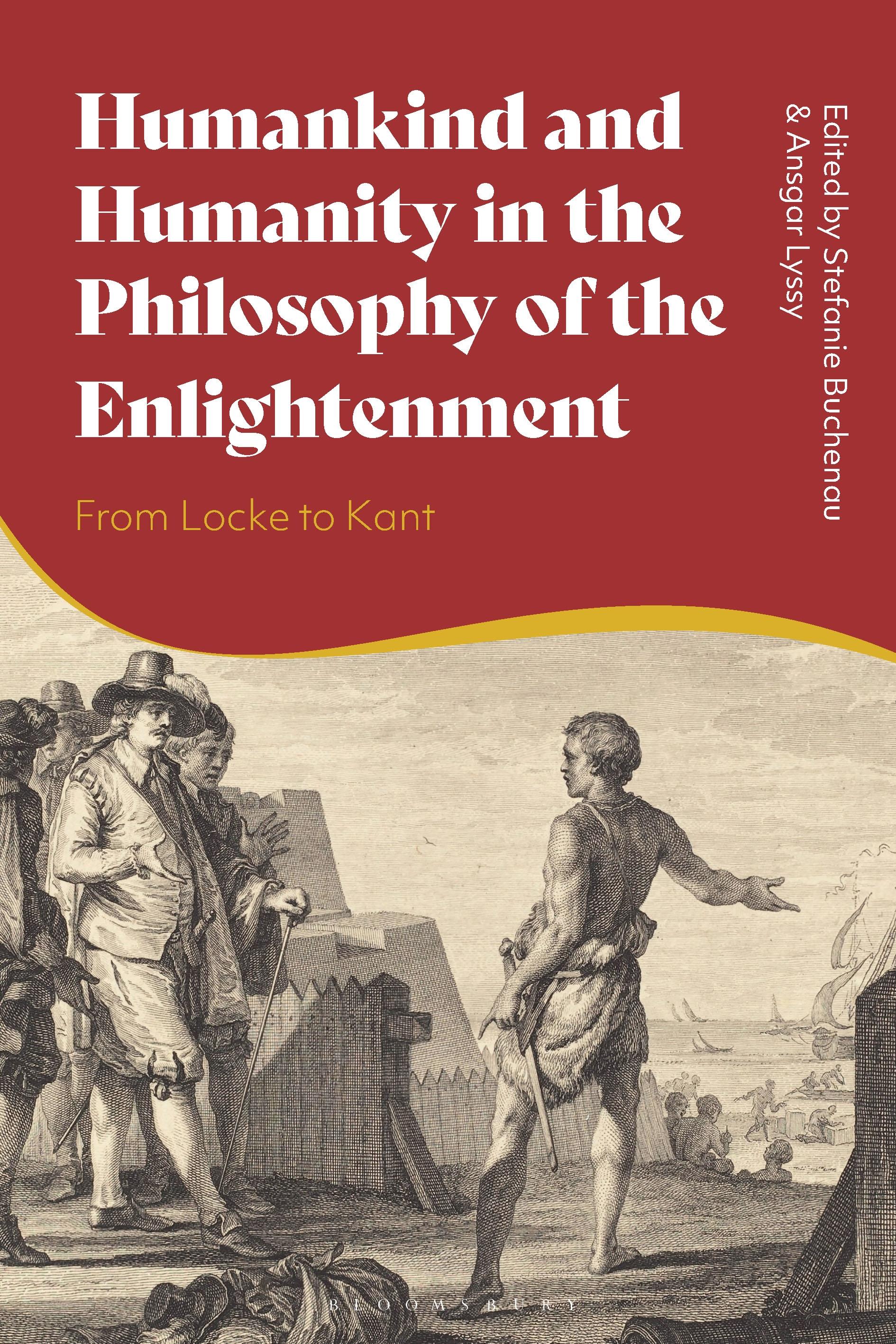
What makes us human beings? Is it merely some corporeal aspect, or rather some specific mental capacity, language, or some form of moral agency or social life? Is there a gendered bias within the concept of humanity? How do human beings become more human, and can we somehow cease to be human? This volume provides some answers to these fundamental questions and more by charting the increased preoccupation of the European Enlightenment with the concepts of humankind and humanity.
Chapters investigate the philosophical concerns of major figures across Western Europe, including Montesquieu, Diderot, Rousseau, Locke, Hume, Ferguson, Kant, Herder, Johann Friedrich Blumenbach and the Comte de Buffon. As these philosophers develop important descriptive and comparative approaches to the human species and moral and social ideals of humanity, they present a view of the Enlightenment project as a particular kind of humanism that is different from its Ancient and Renaissance predecessors.
With contributions from a team of internationally recognized scholars, including Stephen Gaukroger, Michael Forster, Céline Spector, Jacqueline Taylor, and Günter Zöller, this book offers a novel interpretation of the Enlightenment that is both clear in focus and impressive in scope.
Chapters investigate the philosophical concerns of major figures across Western Europe, including Montesquieu, Diderot, Rousseau, Locke, Hume, Ferguson, Kant, Herder, Johann Friedrich Blumenbach and the Comte de Buffon. As these philosophers develop important descriptive and comparative approaches to the human species and moral and social ideals of humanity, they present a view of the Enlightenment project as a particular kind of humanism that is different from its Ancient and Renaissance predecessors.
With contributions from a team of internationally recognized scholars, including Stephen Gaukroger, Michael Forster, Céline Spector, Jacqueline Taylor, and Günter Zöller, this book offers a novel interpretation of the Enlightenment that is both clear in focus and impressive in scope.
Paga fácilmente con tarjeta, Klarna, Apple Pay o Google Pay. ¿No estás contento? Siempre tienes 14 días de garantía de devolución. Lee más en nuestros términos. Si tienes preguntas, escríbenos a hello@memmo.org.
Memmo hace que estudiar sea más fácil, estés donde estés. Aquí tienes tus libros de texto y herramientas de estudio inteligentes en un solo lugar: resúmenes, quizzes, podcasts y flashcards. Y también a Ted, tu compañero de estudio que responde a todo lo que te preguntes. Más de 50 000 estudiantes ya estudian aquí. Está hecho para que aprendas más rápido y te estreses menos.