
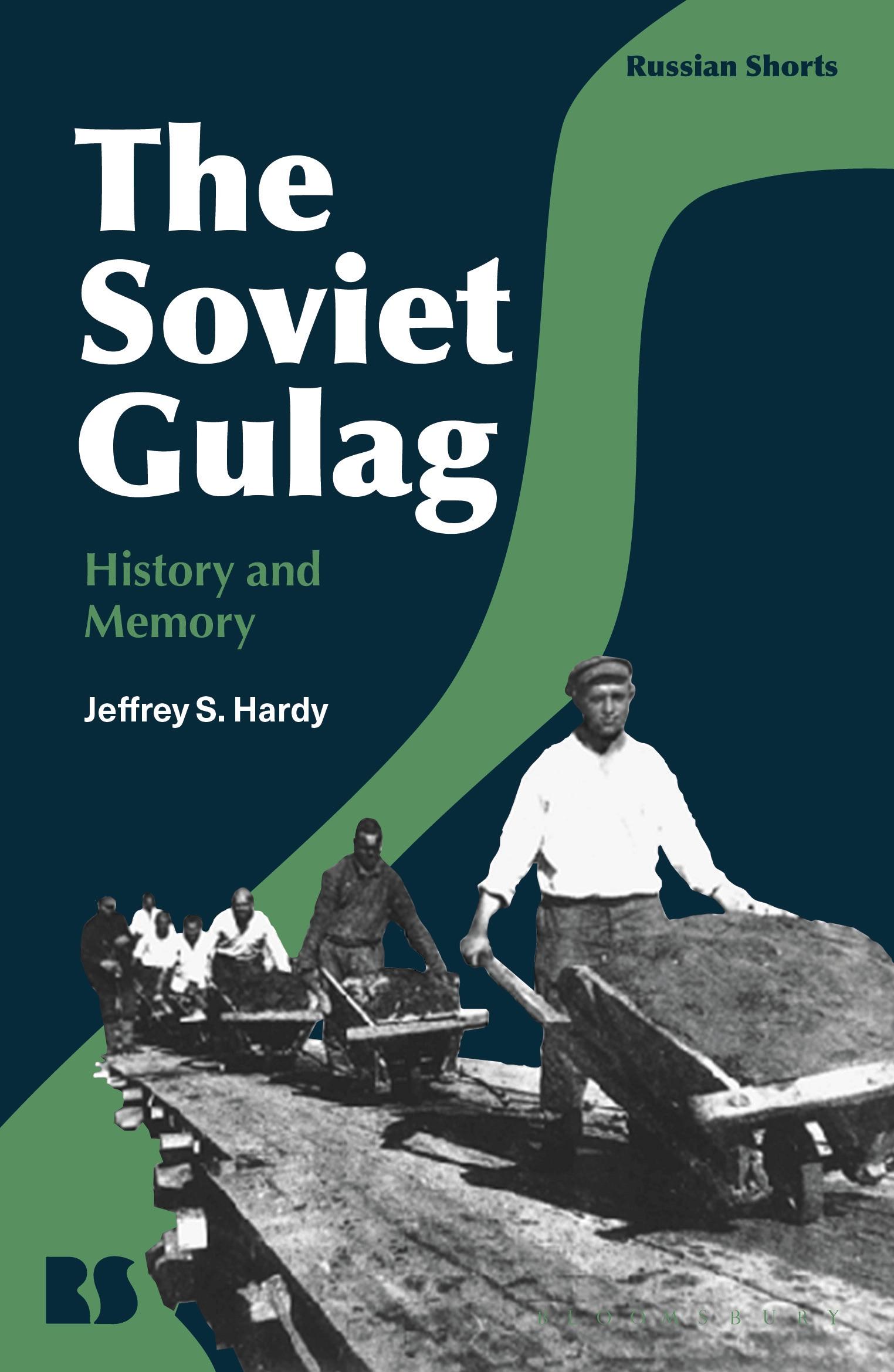
A vivid account of the Gulag, the Soviet Union's infamous penal system, this book charts how Bolshevik visions of a humane alternative to Tsarist exile and Western penitentiaries became a chaotic and violent system of mass incarceration that bore a tragic human toll.
As the first concise history in the English language, The Soviet Gulag: History and Memory provides an illuminating account of the Gulag from 1917, through to the end of the Soviet Union and the contested memory of the Gulag that persists today.
Beginning with their conception, during the various penal experiments of the 1920s, their expansion, during the campaigns against perceived enemies of the Soviet regime in the 1930s, and their decline in the years proceeding Stalin's death, Jeffrey S. Hardy explores how many facets of Gulag life endured right up until the collapse of the Soviet Union in 1991. He addresses both the intentions of administrators and the experience of inmates, as well as covering the main scholarly debates surrounding these issues,
Crucially, the book also examines the post-Soviet era. You discover how politicians, nongovernmental organizations, and Gulag survivors have debated how or even if to commemorate the victims of the Gulag. Hardy reveals that despite numerous monuments and museum displays emerging out of these discussions, the Gulag's legacy remains hotly contested in Russia today
As the first concise history in the English language, The Soviet Gulag: History and Memory provides an illuminating account of the Gulag from 1917, through to the end of the Soviet Union and the contested memory of the Gulag that persists today.
Beginning with their conception, during the various penal experiments of the 1920s, their expansion, during the campaigns against perceived enemies of the Soviet regime in the 1930s, and their decline in the years proceeding Stalin's death, Jeffrey S. Hardy explores how many facets of Gulag life endured right up until the collapse of the Soviet Union in 1991. He addresses both the intentions of administrators and the experience of inmates, as well as covering the main scholarly debates surrounding these issues,
Crucially, the book also examines the post-Soviet era. You discover how politicians, nongovernmental organizations, and Gulag survivors have debated how or even if to commemorate the victims of the Gulag. Hardy reveals that despite numerous monuments and museum displays emerging out of these discussions, the Gulag's legacy remains hotly contested in Russia today
Paga fácilmente con tarjeta, Klarna, Apple Pay o Google Pay. ¿No estás contento? Siempre tienes 14 días de garantía de devolución. Lee más en nuestros términos. Si tienes preguntas, escríbenos a hello@memmo.org.
Memmo hace que estudiar sea más fácil, estés donde estés. Aquí tienes tus libros de texto y herramientas de estudio inteligentes en un solo lugar: resúmenes, quizzes, podcasts y flashcards. Y también a Ted, tu compañero de estudio que responde a todo lo que te preguntes. Más de 50 000 estudiantes ya estudian aquí. Está hecho para que aprendas más rápido y te estreses menos.