
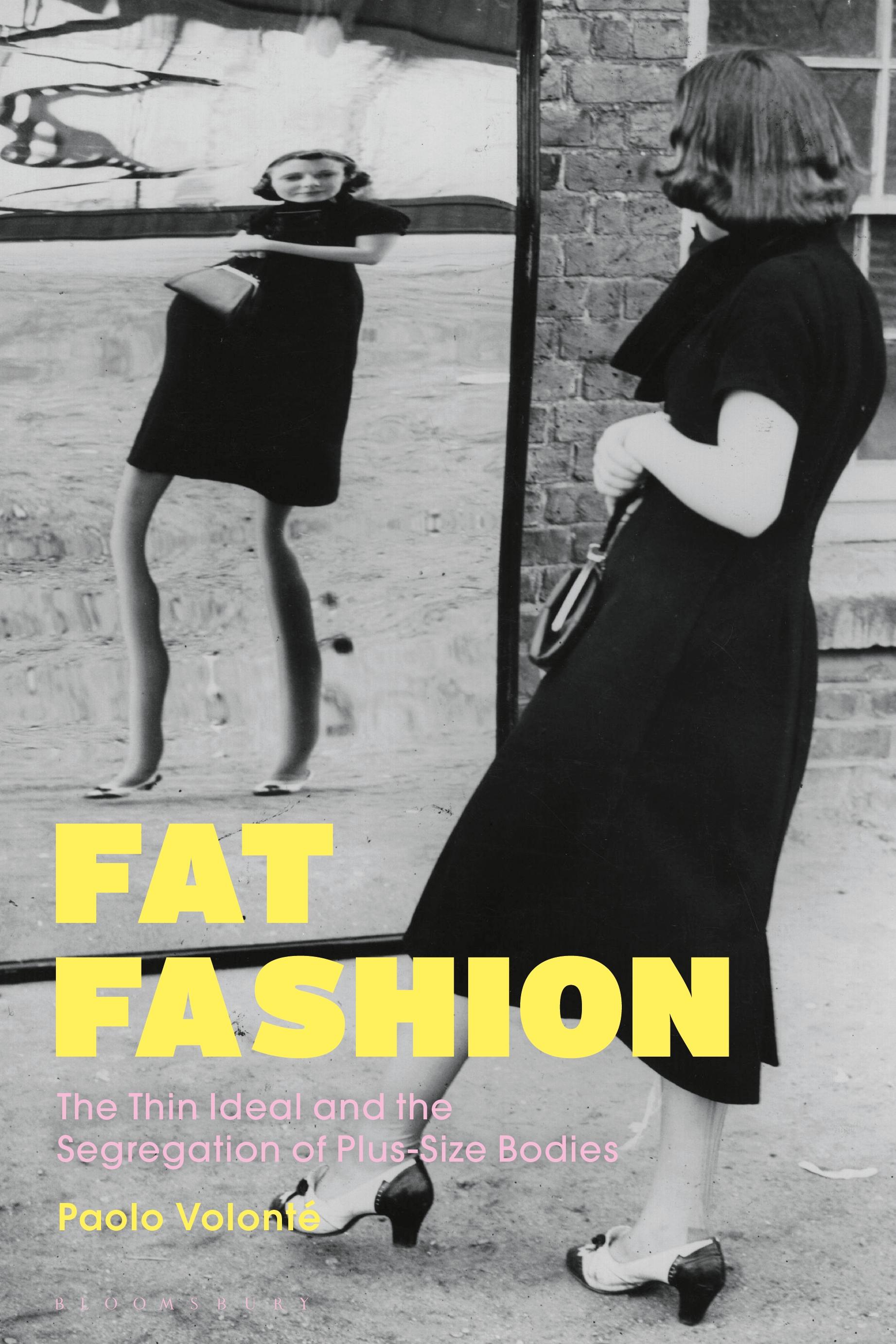
Average body mass in many Western cultures is getting larger and yet the fashion system seems mostly unchanged. Major fashion houses still limit their output to small sizes and the dominant ideal of the female body in fashion imagery is still thin – dangerously thin according to World Health Organization standards. Why is the industry forfeiting a considerable share of the market in the form of plus-size consumers, seemingly against its commercial interests? Why does the thin ideal reign supreme despite damning evidence of its harm to women? And is there a way out of this system of thin ideals and segregated fat bodies?
In this original study, Paolo Volonté answers these questions and more, drawing on influential literature on the body, beauty standards and the roles of clothing in society. He reveals some surprising factors behind the perpetuation of the thin ideal such as the precedent of thin models and the introduction of standardised sizing for mass-manufactured clothing. He also revisits less surprising factors such as the attitudes of designers and consumers towards the female body, and notions of 'perfection'.
By critically analysing these factors, Volonté reveals why plus-size fashion is often characterised by 'low aesthetic commitment' and low quality marketing. He explores the nature of the segregation of fat bodies in fashion and considers what the future may hold for consumers, designers and marketers alike.
In this original study, Paolo Volonté answers these questions and more, drawing on influential literature on the body, beauty standards and the roles of clothing in society. He reveals some surprising factors behind the perpetuation of the thin ideal such as the precedent of thin models and the introduction of standardised sizing for mass-manufactured clothing. He also revisits less surprising factors such as the attitudes of designers and consumers towards the female body, and notions of 'perfection'.
By critically analysing these factors, Volonté reveals why plus-size fashion is often characterised by 'low aesthetic commitment' and low quality marketing. He explores the nature of the segregation of fat bodies in fashion and considers what the future may hold for consumers, designers and marketers alike.
Paga fácilmente con tarjeta, Klarna, Apple Pay o Google Pay. ¿No estás contento? Siempre tienes 14 días de garantía de devolución. Lee más en nuestros términos. Si tienes preguntas, escríbenos a hello@memmo.org.
Memmo hace que estudiar sea más fácil, estés donde estés. Aquí tienes tus libros de texto y herramientas de estudio inteligentes en un solo lugar: resúmenes, quizzes, podcasts y flashcards. Y también a Ted, tu compañero de estudio que responde a todo lo que te preguntes. Más de 50 000 estudiantes ya estudian aquí. Está hecho para que aprendas más rápido y te estreses menos.