
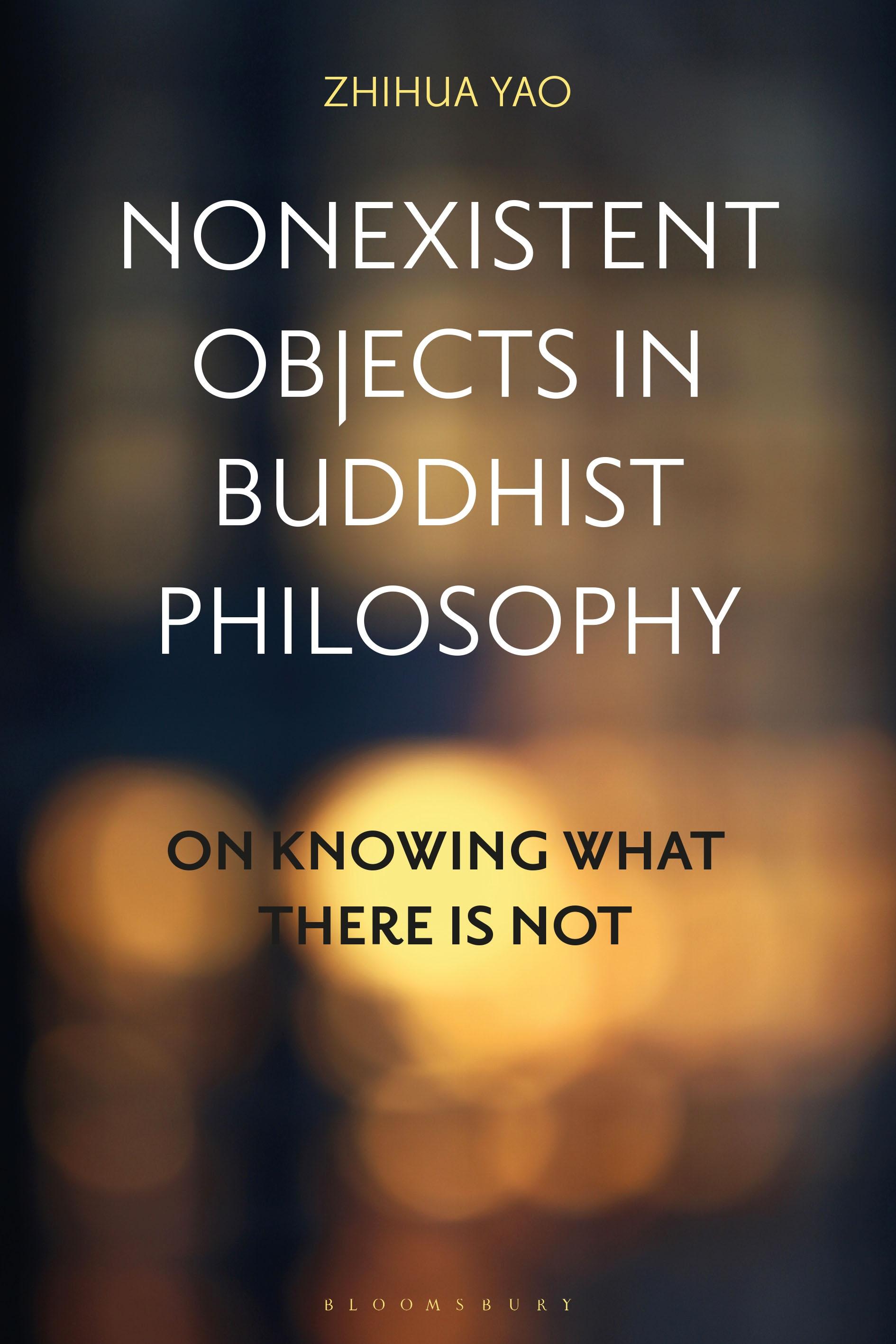
Can we know what there is not? This book examines the historical development of the concept of the cognition of nonexistent objects in several major Buddhist philosophical schools.
Beginning with a study of the historical development of the concept in Mahasamghika, Darstantika, Yogacara and Sautrantika, it evaluates how successfully they have argued against the extreme view of their main opponent the Sarvastivadins and established their view that one can know what there is not. It also includes thematic studies on the epistemological issues of nonexistence, discussing making sense of empty terms, controversies over negative judgments, and a proper classification of the conceptions of nothing or nonexistence. Taking a comparative approach to these topics, this book considers contemporary Western philosophers such as Husserl, Heidegger, Meinong and Russell alongside representative figures of the Buddhist Pramana School.
Based on first-hand study of primary sources in Sanskrit, Chinese and Tibetan, Nonexistent Objects in Buddhist Philosophy makes available the rich discussions and debates on the epistemological issues of nonexistence in Buddhist philosophy to students and researchers in Asian and comparative philosophy.
Beginning with a study of the historical development of the concept in Mahasamghika, Darstantika, Yogacara and Sautrantika, it evaluates how successfully they have argued against the extreme view of their main opponent the Sarvastivadins and established their view that one can know what there is not. It also includes thematic studies on the epistemological issues of nonexistence, discussing making sense of empty terms, controversies over negative judgments, and a proper classification of the conceptions of nothing or nonexistence. Taking a comparative approach to these topics, this book considers contemporary Western philosophers such as Husserl, Heidegger, Meinong and Russell alongside representative figures of the Buddhist Pramana School.
Based on first-hand study of primary sources in Sanskrit, Chinese and Tibetan, Nonexistent Objects in Buddhist Philosophy makes available the rich discussions and debates on the epistemological issues of nonexistence in Buddhist philosophy to students and researchers in Asian and comparative philosophy.
Paga fácilmente con tarjeta, Klarna, Apple Pay o Google Pay. ¿No estás contento? Siempre tienes 14 días de garantía de devolución. Lee más en nuestros términos. Si tienes preguntas, escríbenos a hello@memmo.org.
Memmo hace que estudiar sea más fácil, estés donde estés. Aquí tienes tus libros de texto y herramientas de estudio inteligentes en un solo lugar: resúmenes, quizzes, podcasts y flashcards. Y también a Ted, tu compañero de estudio que responde a todo lo que te preguntes. Más de 50 000 estudiantes ya estudian aquí. Está hecho para que aprendas más rápido y te estreses menos.