
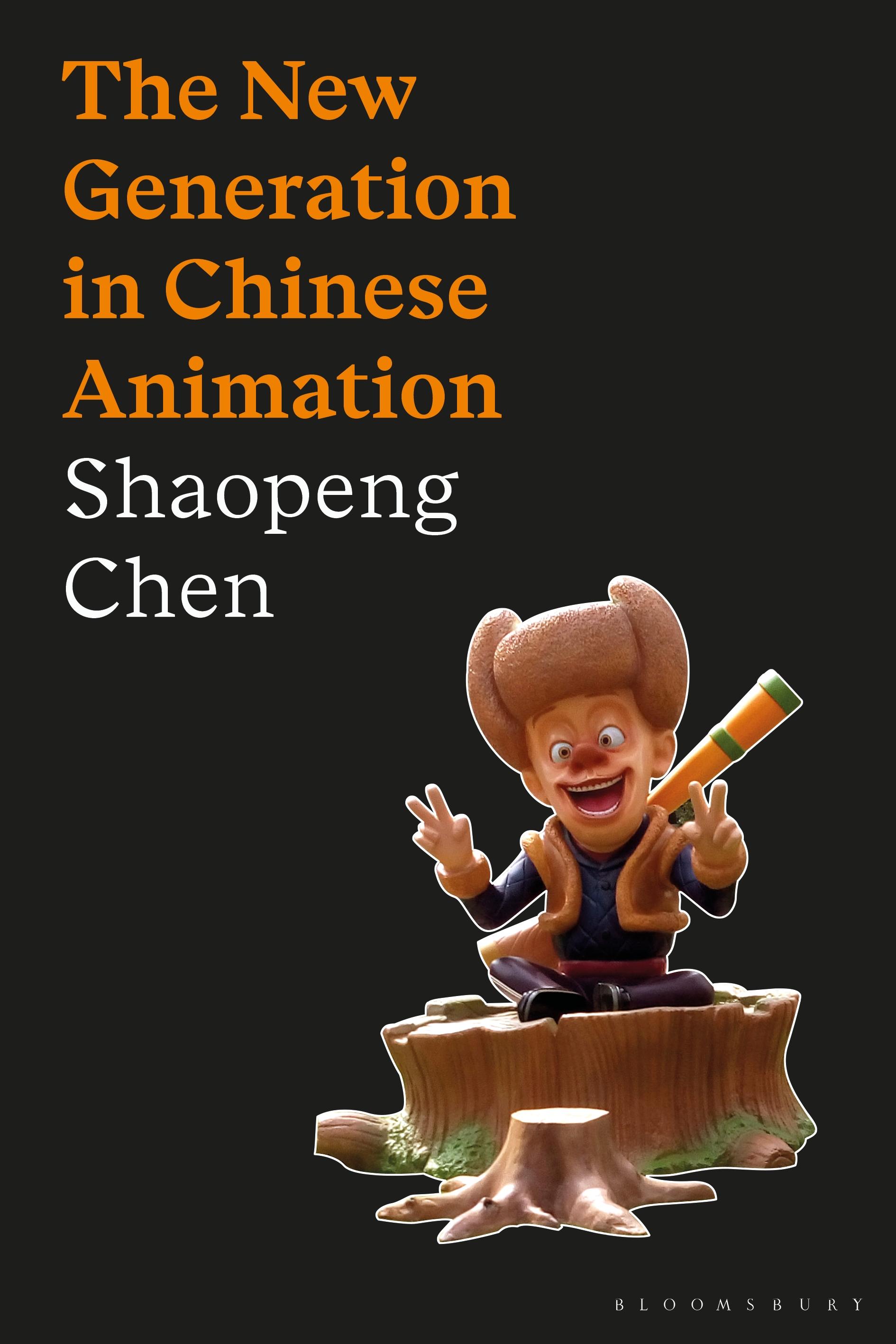
In 1995 Chinese animated filmmaking ceased to be a state-run enterprise and was plunged into the free market. Using key animated films as his case studies, Shaopeng Chen examines new generation Chinese animation in its aesthetic and industrial contexts. He argues that, unlike its predecessors, this new generation does not have a distinctive national identity, but represents an important stage of diversity and exploration in the history of Chinese animation.
Chen identifies distinct characteristics of new generation filmmaking, including an orientation towards young audiences and the recurring figure of the immortal monkey-like Sun Wukong. He explores how films such as Lotus Lantern/Baolian Deng (1999) responded to competition from American imports such as The Lion King (1994), retaining Chinese iconography while at the same time adopting Hollywood aesthetics and techniques.
Addressing the series Boonie Bears/Xiong Chumo (2014-5), Chen focuses on the films' adaptation from the original TV series, and how the films were promoted across generations and by means of both online and offline channels. Discussing the series Kuiba/Kui Ba (2011, 2013, 2014), Chen examines Vasoon Animation Studio's ambitious attempt to create the first Chinese-style high fantasy fictional universe, and considers why the first film was a critical success but a failure at the box-office. He also explores the relationship between Japanese anime and new generation Chinese animation. Finally, Chen considers how word-of-mouth social media engagement lay behind the success of Monkey King: Hero is Back (2015).
Chen identifies distinct characteristics of new generation filmmaking, including an orientation towards young audiences and the recurring figure of the immortal monkey-like Sun Wukong. He explores how films such as Lotus Lantern/Baolian Deng (1999) responded to competition from American imports such as The Lion King (1994), retaining Chinese iconography while at the same time adopting Hollywood aesthetics and techniques.
Addressing the series Boonie Bears/Xiong Chumo (2014-5), Chen focuses on the films' adaptation from the original TV series, and how the films were promoted across generations and by means of both online and offline channels. Discussing the series Kuiba/Kui Ba (2011, 2013, 2014), Chen examines Vasoon Animation Studio's ambitious attempt to create the first Chinese-style high fantasy fictional universe, and considers why the first film was a critical success but a failure at the box-office. He also explores the relationship between Japanese anime and new generation Chinese animation. Finally, Chen considers how word-of-mouth social media engagement lay behind the success of Monkey King: Hero is Back (2015).
Páginas: 304
Categoría: Film- & Medievetenskap
e-ISBN: 9781350118973
Peso de envío: 1.2 kg
Envío en: 1-2 días
Paga fácilmente con tarjeta, Klarna, Apple Pay o Google Pay. ¿No estás contento? Siempre tienes 14 días de garantía de devolución. Lee más en nuestros términos. Si tienes preguntas, escríbenos a hello@memmo.org.
Memmo hace que estudiar sea más fácil, estés donde estés. Aquí tienes tus libros de texto y herramientas de estudio inteligentes en un solo lugar: resúmenes, quizzes, podcasts y flashcards. Y también a Ted, tu compañero de estudio que responde a todo lo que te preguntes. Más de 50 000 estudiantes ya estudian aquí. Está hecho para que aprendas más rápido y te estreses menos.