
Existential phenomenology can be a particularly helpful philosophical method for understanding human experience. Starting from the perspective of the subject, it can clarify and problematize subtle everyday relations, enabling greater insight into difficult situations. Used by contemporary philosophers as a way of understanding the embodied experience of illness, this method has been helpful for understanding physical illness in the medical humanities, offering a fruitful way of reading the subjectivity of mental states.
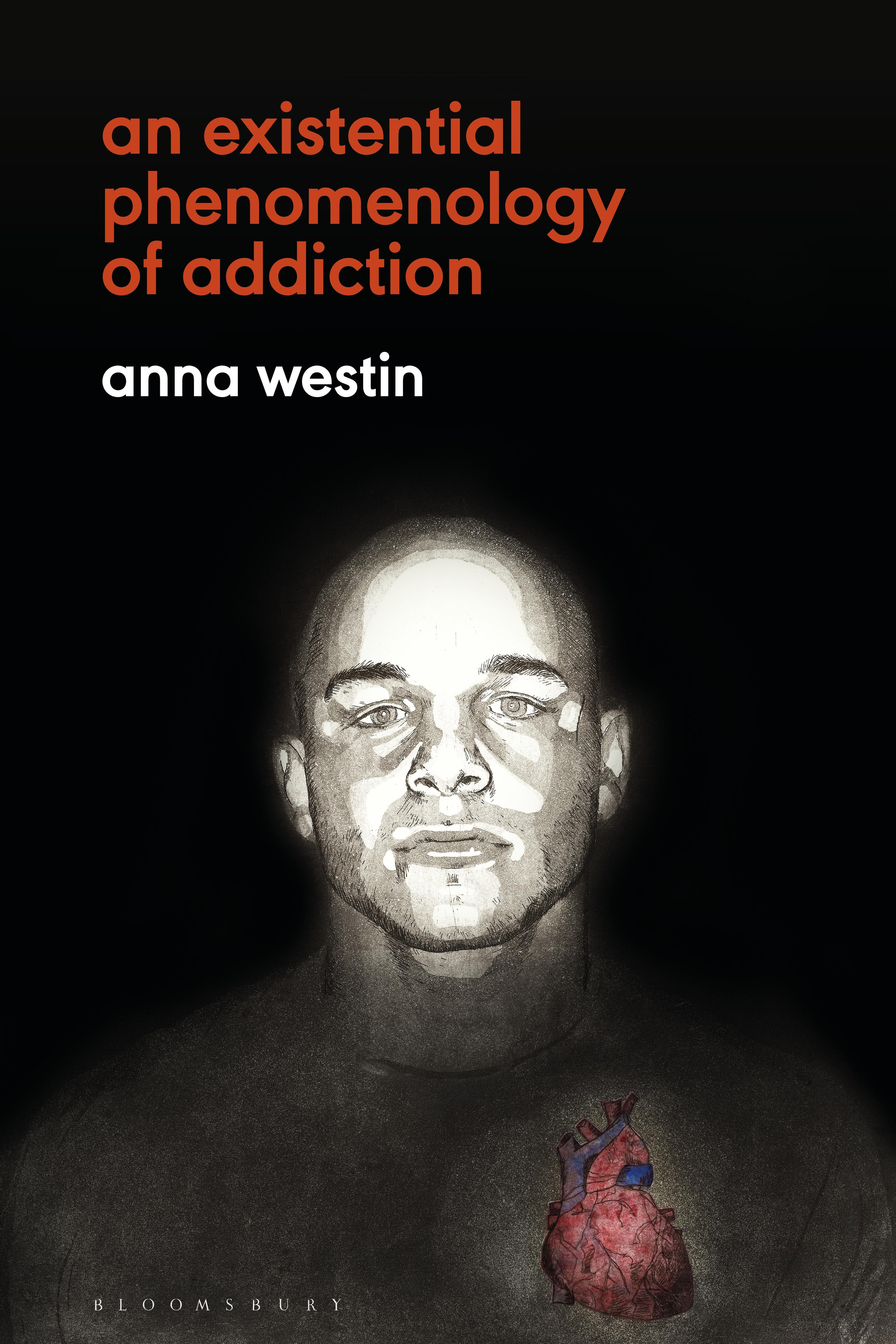
An Existential Phenomenology of Addiction examines how the experience of addiction engages both mental and physical phenomena within the existence of a particular human life, using the philosophy of Emmanuel Lévinas and Søren Kierkegaard. The book maps out an existential phenomenology of subject-in-relation. Both Lévinas and Kierkegaard use decidedly psychological and theological language to situate their philosophy, discussing the subject through concepts of love, otherness, responsibility and hope, while played out in a situation of anxiety, suffering, desire and revelation.
Combining existential phenomenological discourse with contemporary addiction discourse, Westin argues that the concept of subject as 'addict', as found in the Twelve Steps Program and disease models of addiction, ought to be replaced with the free and relational identity of subject as 'addicted'.
An Existential Phenomenology of Addiction examines how the experience of addiction engages both mental and physical phenomena within the existence of a particular human life, using the philosophy of Emmanuel Lévinas and Søren Kierkegaard. The book maps out an existential phenomenology of subject-in-relation. Both Lévinas and Kierkegaard use decidedly psychological and theological language to situate their philosophy, discussing the subject through concepts of love, otherness, responsibility and hope, while played out in a situation of anxiety, suffering, desire and revelation.
Combining existential phenomenological discourse with contemporary addiction discourse, Westin argues that the concept of subject as 'addict', as found in the Twelve Steps Program and disease models of addiction, ought to be replaced with the free and relational identity of subject as 'addicted'.
Paga fácilmente con tarjeta, Klarna, Apple Pay o Google Pay. ¿No estás contento? Siempre tienes 14 días de garantía de devolución. Lee más en nuestros términos. Si tienes preguntas, escríbenos a hello@memmo.org.
Memmo hace que estudiar sea más fácil, estés donde estés. Aquí tienes tus libros de texto y herramientas de estudio inteligentes en un solo lugar: resúmenes, quizzes, podcasts y flashcards. Y también a Ted, tu compañero de estudio que responde a todo lo que te preguntes. Más de 50 000 estudiantes ya estudian aquí. Está hecho para que aprendas más rápido y te estreses menos.