
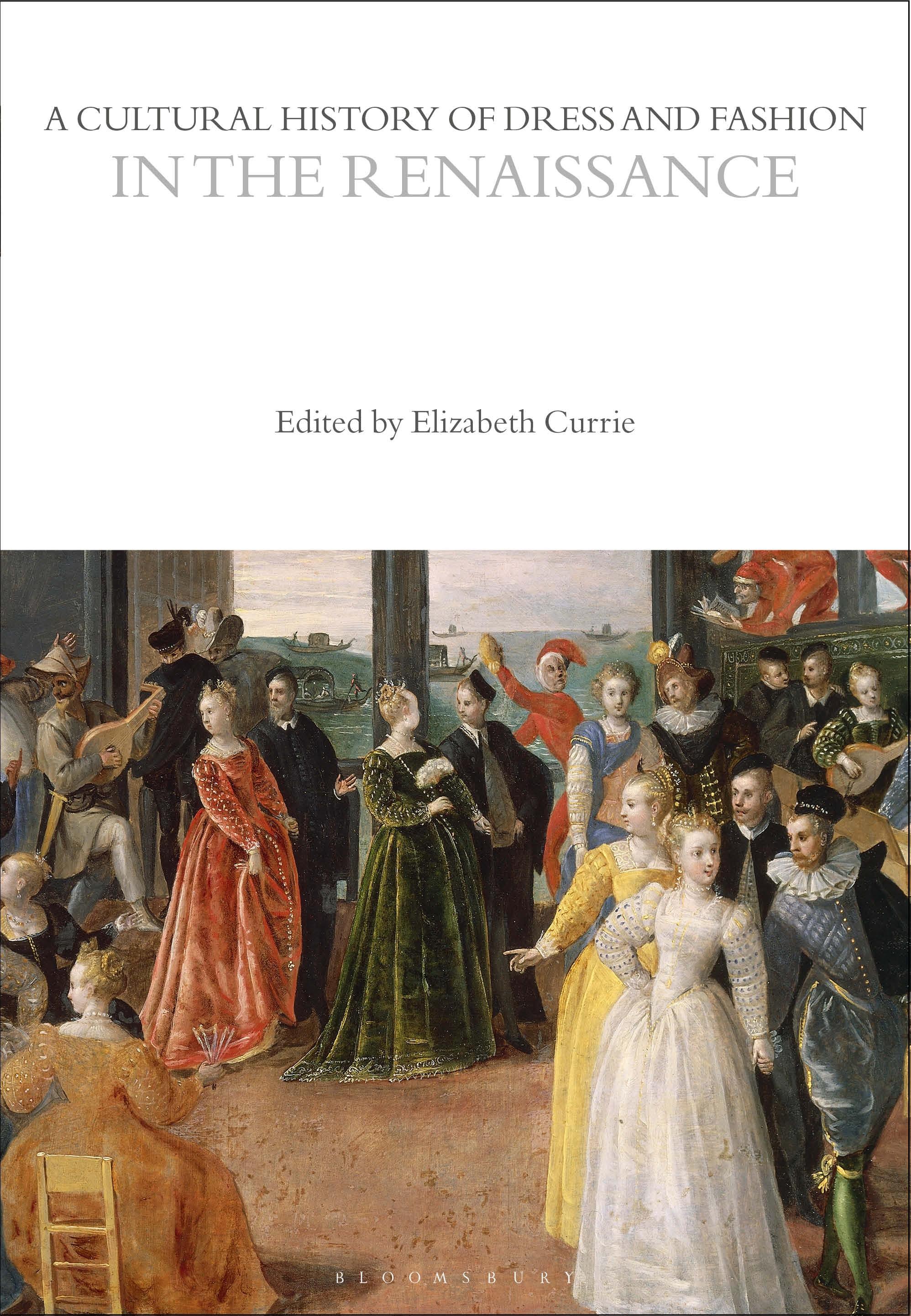
Spurred by an increasingly international and competitive market, the Renaissance saw the development of many new fabrics and the use of highly prized ingredients imported from the New World. In response to a thirst for the new, fashion's pace of change accelerated, the production of garments provided employment for an increasingly significant proportion of the working population, and entrepreneurial artisans began to transform even the most functional garments into fashionable ones. Anxieties concerning vanity and the power of clothing to mask identities heightened fears of fashion's corrupting influence, and heralded the great age of sumptuary legislation intended to police status and gender through dress.
Drawing on sources from surviving garments to artworks to moralising pamphlets, this richly illustrated volume presents essays on textiles, production and distribution, the body, belief, gender and sexuality, status, ethnicity, and visual and literary representations to illustrate the diversity and cultural significance of dress and fashion in the period.
Drawing on sources from surviving garments to artworks to moralising pamphlets, this richly illustrated volume presents essays on textiles, production and distribution, the body, belief, gender and sexuality, status, ethnicity, and visual and literary representations to illustrate the diversity and cultural significance of dress and fashion in the period.
Paga fácilmente con tarjeta, Klarna, Apple Pay o Google Pay. ¿No estás contento? Siempre tienes 14 días de garantía de devolución. Lee más en nuestros términos. Si tienes preguntas, escríbenos a hello@memmo.org.
Memmo hace que estudiar sea más fácil, estés donde estés. Aquí tienes tus libros de texto y herramientas de estudio inteligentes en un solo lugar: resúmenes, quizzes, podcasts y flashcards. Y también a Ted, tu compañero de estudio que responde a todo lo que te preguntes. Más de 50 000 estudiantes ya estudian aquí. Está hecho para que aprendas más rápido y te estreses menos.