
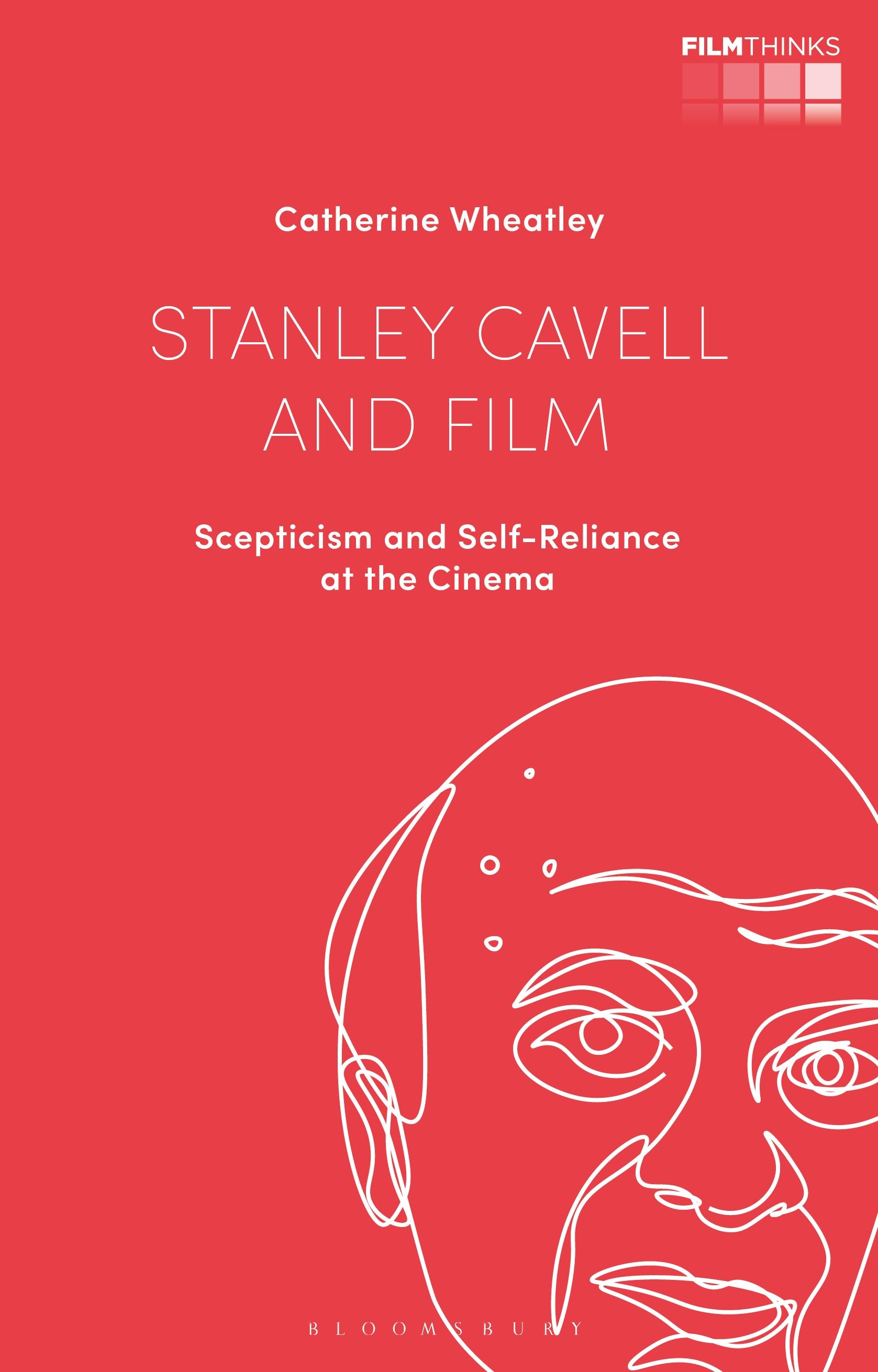
“Film is made for philosophy,” asserted Stanley Cavell. In addition to his work on scepticism, morality, and the intentions and meanings of ordinary language, the American philosopher wrote fascinatingly about cinema, arguing that film can reveal new ground for thinking through old philosophical problems.
In this book, Catherine Wheatley draws upon Cavell's explicitly film-inspired works, key philosophical concepts and autobiographical writings, examining his analyses of films from Hollywood's Golden Age, the French New Wave, contemporary action cinema, silent film heroes Chaplin and Keaton, directors Cocteau and Hitchcock, and performers Greta Garbo and Ginger Rogers. Revealing the ways in which Cavell's thinking was shaped by the movies, Wheatly poses the question: what was it about film that taught the philosopher how best to live in the world?
In this book, Catherine Wheatley draws upon Cavell's explicitly film-inspired works, key philosophical concepts and autobiographical writings, examining his analyses of films from Hollywood's Golden Age, the French New Wave, contemporary action cinema, silent film heroes Chaplin and Keaton, directors Cocteau and Hitchcock, and performers Greta Garbo and Ginger Rogers. Revealing the ways in which Cavell's thinking was shaped by the movies, Wheatly poses the question: what was it about film that taught the philosopher how best to live in the world?
Paga fácilmente con tarjeta, Klarna, Apple Pay o Google Pay. ¿No estás contento? Siempre tienes 14 días de garantía de devolución. Lee más en nuestros términos. Si tienes preguntas, escríbenos a hello@memmo.org.
Memmo hace que estudiar sea más fácil, estés donde estés. Aquí tienes tus libros de texto y herramientas de estudio inteligentes en un solo lugar: resúmenes, quizzes, podcasts y flashcards. Y también a Ted, tu compañero de estudio que responde a todo lo que te preguntes. Más de 50 000 estudiantes ya estudian aquí. Está hecho para que aprendas más rápido y te estreses menos.