
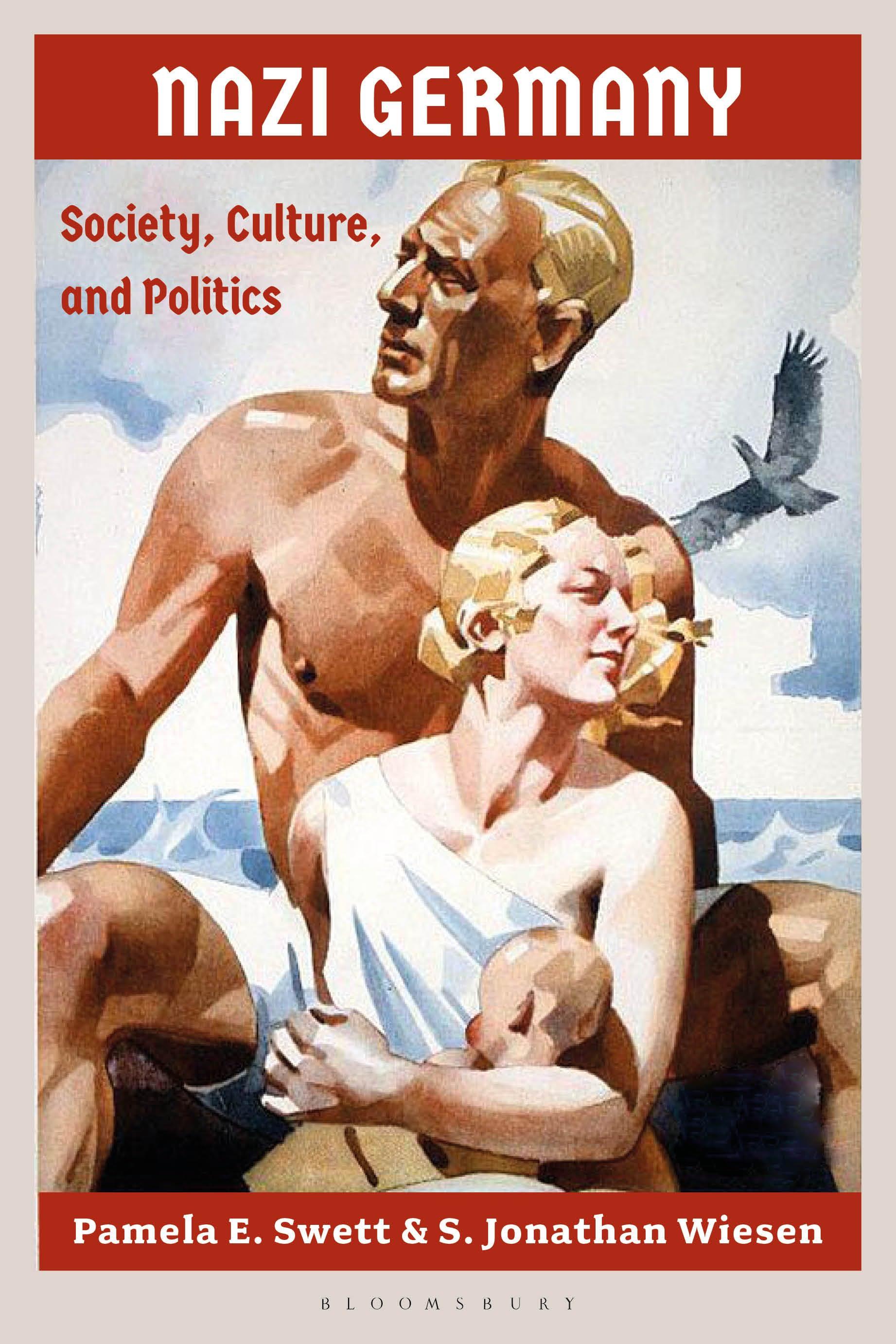
Nazi Germany provides a comprehensive survey of the National Socialist dictatorship, artfully balancing social and cultural history with a political and military history of the regime.
The book unravels the complexities of the daily lives of perpetrators, victims, and bystanders in the 'Third Reich', and it also places events in Germany from 1933 to 1945 in a transnational context. Nazi Germany prompts readers to think about not only the historical debates but also the ethical questions that attend the study of this period. Pamela E. Swett and S. Jonathan Wiesen address:
*The movement's ideological origins and the party's rise to power
*The creation of a police state, the use of propaganda, and public support for Nazi ideas and programs
*The Nazis' persecution of religious, racial, and sexual minorities
*The place of youth, family, gender, and cultural expression in Nazi society
*The transnational influence of Nazism and preparations for war in Germany
*The Holocaust, resistance to Nazism, and the Second World War
Swett and Wiesen explore how the violence and racism of the Nazis coexisted alongside Germany's self-presentation as a 'normal' state with happy, productive citizens.Through exposure to the voices of contemporaries, readers will be prompted to consider key questions: How did German democracy give way to a brutal dictatorship so quickly? What was daily life like for 'average' Germans and those labeled as biological and political outsiders? Why did the Nazi dictatorship embark on a destructive war that led to the death of tens of millions of Europeans and to the demise of a political order that had become exceedingly popular by 1939?
The book unravels the complexities of the daily lives of perpetrators, victims, and bystanders in the 'Third Reich', and it also places events in Germany from 1933 to 1945 in a transnational context. Nazi Germany prompts readers to think about not only the historical debates but also the ethical questions that attend the study of this period. Pamela E. Swett and S. Jonathan Wiesen address:
*The movement's ideological origins and the party's rise to power
*The creation of a police state, the use of propaganda, and public support for Nazi ideas and programs
*The Nazis' persecution of religious, racial, and sexual minorities
*The place of youth, family, gender, and cultural expression in Nazi society
*The transnational influence of Nazism and preparations for war in Germany
*The Holocaust, resistance to Nazism, and the Second World War
Swett and Wiesen explore how the violence and racism of the Nazis coexisted alongside Germany's self-presentation as a 'normal' state with happy, productive citizens.Through exposure to the voices of contemporaries, readers will be prompted to consider key questions: How did German democracy give way to a brutal dictatorship so quickly? What was daily life like for 'average' Germans and those labeled as biological and political outsiders? Why did the Nazi dictatorship embark on a destructive war that led to the death of tens of millions of Europeans and to the demise of a political order that had become exceedingly popular by 1939?
Paga fácilmente con tarjeta, Klarna, Apple Pay o Google Pay. ¿No estás contento? Siempre tienes 14 días de garantía de devolución. Lee más en nuestros términos. Si tienes preguntas, escríbenos a hello@memmo.org.
Memmo hace que estudiar sea más fácil, estés donde estés. Aquí tienes tus libros de texto y herramientas de estudio inteligentes en un solo lugar: resúmenes, quizzes, podcasts y flashcards. Y también a Ted, tu compañero de estudio que responde a todo lo que te preguntes. Más de 50 000 estudiantes ya estudian aquí. Está hecho para que aprendas más rápido y te estreses menos.