
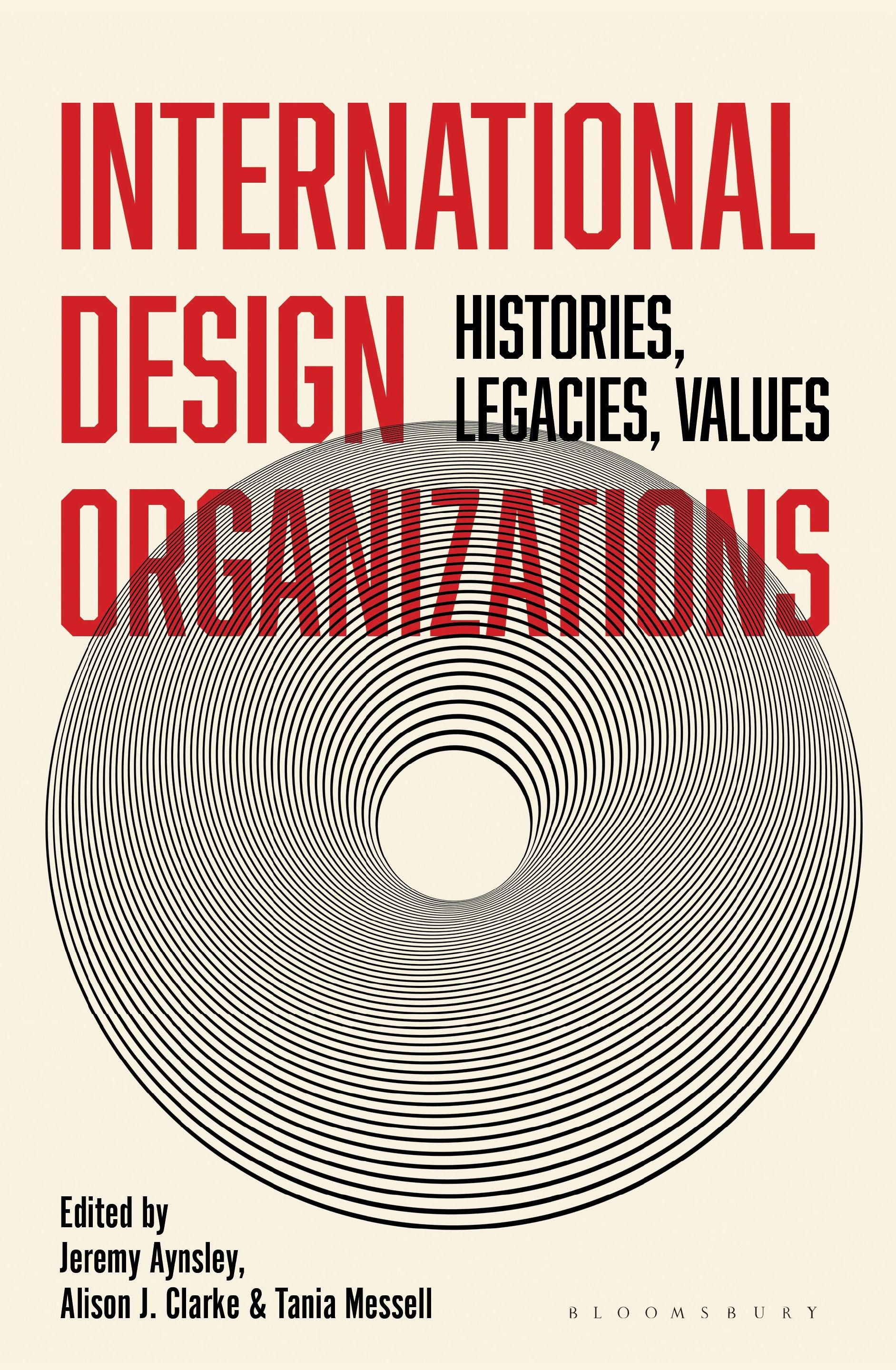
This innovative volume brings together international design scholars to address the history and present-day status of national and international design organizations, working across design disciplines and located in countries including Argentina, Turkey, Estonia, Switzerland, Italy, China and the USA.
In the second half of the 20th century, many non-governmental organizations were created to address urgent cultural, economic and welfare issues. Design organizations set out to create an international consensus for the future direction of design. This included enhancing communication between professionals, educators and practitioners, raising standards for design, and creating communities of designers across linguistic, national and political borders. Shared needs and agendas were identified and categories of design constantly defined and re-defined, often with overt cultural and political intents.
Drawing on an impressive range of original research, archival sources and oral testimony, this volume questions the aims and achievements of national and international design organizations in light of their subsequent histories and their global remits. The Cold War period is central to the book, while many chapters draw on post-colonial perspectives to interpret how transnational networks and negotiations took place at events and congresses, and through publication.
In the second half of the 20th century, many non-governmental organizations were created to address urgent cultural, economic and welfare issues. Design organizations set out to create an international consensus for the future direction of design. This included enhancing communication between professionals, educators and practitioners, raising standards for design, and creating communities of designers across linguistic, national and political borders. Shared needs and agendas were identified and categories of design constantly defined and re-defined, often with overt cultural and political intents.
Drawing on an impressive range of original research, archival sources and oral testimony, this volume questions the aims and achievements of national and international design organizations in light of their subsequent histories and their global remits. The Cold War period is central to the book, while many chapters draw on post-colonial perspectives to interpret how transnational networks and negotiations took place at events and congresses, and through publication.
Paga fácilmente con tarjeta, Klarna, Apple Pay o Google Pay. ¿No estás contento? Siempre tienes 14 días de garantía de devolución. Lee más en nuestros términos. Si tienes preguntas, escríbenos a hello@memmo.org.
Memmo hace que estudiar sea más fácil, estés donde estés. Aquí tienes tus libros de texto y herramientas de estudio inteligentes en un solo lugar: resúmenes, quizzes, podcasts y flashcards. Y también a Ted, tu compañero de estudio que responde a todo lo que te preguntes. Más de 50 000 estudiantes ya estudian aquí. Está hecho para que aprendas más rápido y te estreses menos.