
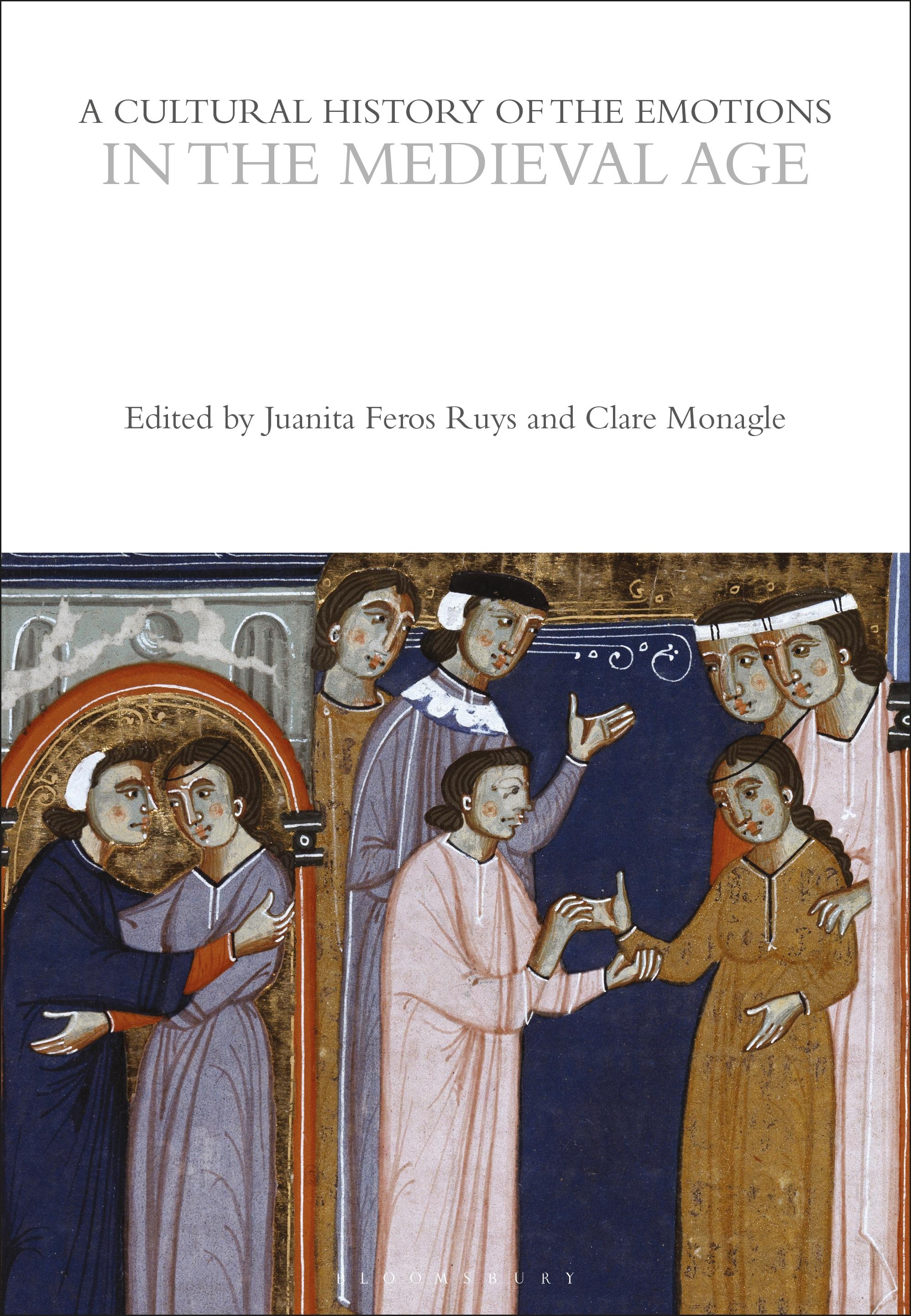
Our period opens at the end of the Roman Empire when intellectual currents are indebted to the Greek philosophical inheritance of Plato and Aristotle, as well as to a Romanized Stoicism. Into this mix entered the new, and from 313CE imperially sanctioned, religion of Christianity. In art, literature, music, and drama, we find an increasing emphasis on the arousal of individual emotions and their acceptance as a means towards devotion. In religion, we see a move from the ascetic regulation of emotions to the affective piety of the later medieval period that valued the believer's identification with the Passion of Christ and the sorrow of Mary. In science and medicine, the nature and causes of emotions, their role in constituting the human person, and their impact on the same became a subject of academic inquiry. Emotions also played an increasingly important public role, evidenced in populace-wide events such as conversion and the strategies of rulership. Between 350 and 1300, emotions were transformed from something to be transcended into a location for meditation upon what it means to be human.
Paga fácilmente con tarjeta, Klarna, Apple Pay o Google Pay. ¿No estás contento? Siempre tienes 14 días de garantía de devolución. Lee más en nuestros términos. Si tienes preguntas, escríbenos a hello@memmo.org.
Memmo hace que estudiar sea más fácil, estés donde estés. Aquí tienes tus libros de texto y herramientas de estudio inteligentes en un solo lugar: resúmenes, quizzes, podcasts y flashcards. Y también a Ted, tu compañero de estudio que responde a todo lo que te preguntes. Más de 50 000 estudiantes ya estudian aquí. Está hecho para que aprendas más rápido y te estreses menos.