
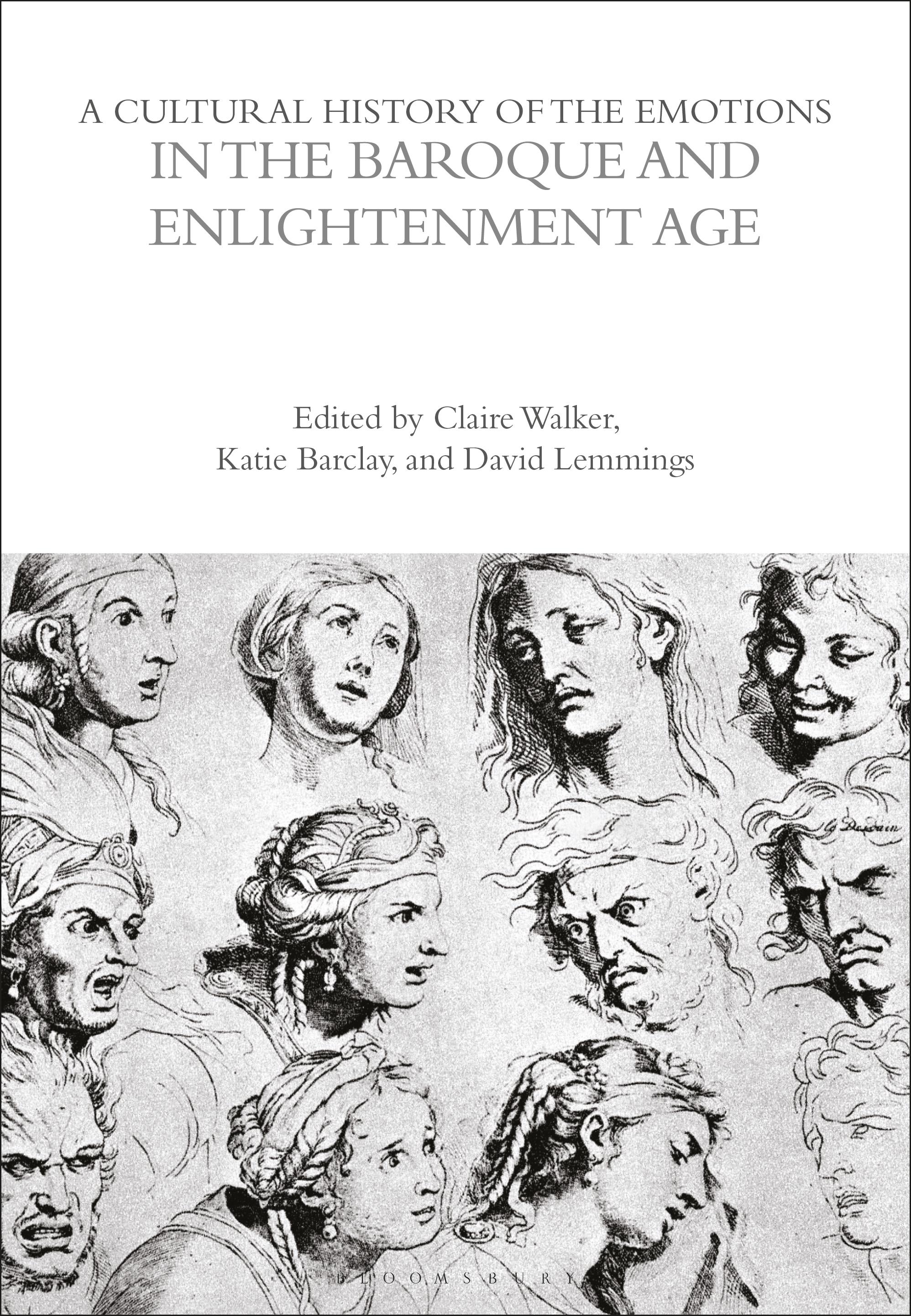
During the period of the Baroque and Enlightenment the word “emotion”, denoting passions and feelings, came into usage, albeit in an irregular fashion. “Emotion” ultimately emerged as a term in its own right, and evolved in English from meaning physical agitation to describe mental feeling. However, the older terminology of “passions” and “affections” continued as the dominant discourse structuring thinking about feeling and its wider religious, political, social, economic, and moral imperatives. The emotional cultures described in these essays enable some comparative discussion about the history of emotions, and particularly the causes and consequences of emotional change in the larger cultural contexts of the Baroque and Enlightenment. Emotions research has enabled a rethinking of dominant narratives of the period-of histories of revolution, state-building, the rise of the public sphere, religious and scientific transformation, and more. As a new and dynamic field, the essays here are just the beginning of a much bigger history of emotions.
Paga fácilmente con tarjeta, Klarna, Apple Pay o Google Pay. ¿No estás contento? Siempre tienes 14 días de garantía de devolución. Lee más en nuestros términos. Si tienes preguntas, escríbenos a hello@memmo.org.
Memmo hace que estudiar sea más fácil, estés donde estés. Aquí tienes tus libros de texto y herramientas de estudio inteligentes en un solo lugar: resúmenes, quizzes, podcasts y flashcards. Y también a Ted, tu compañero de estudio que responde a todo lo que te preguntes. Más de 50 000 estudiantes ya estudian aquí. Está hecho para que aprendas más rápido y te estreses menos.