
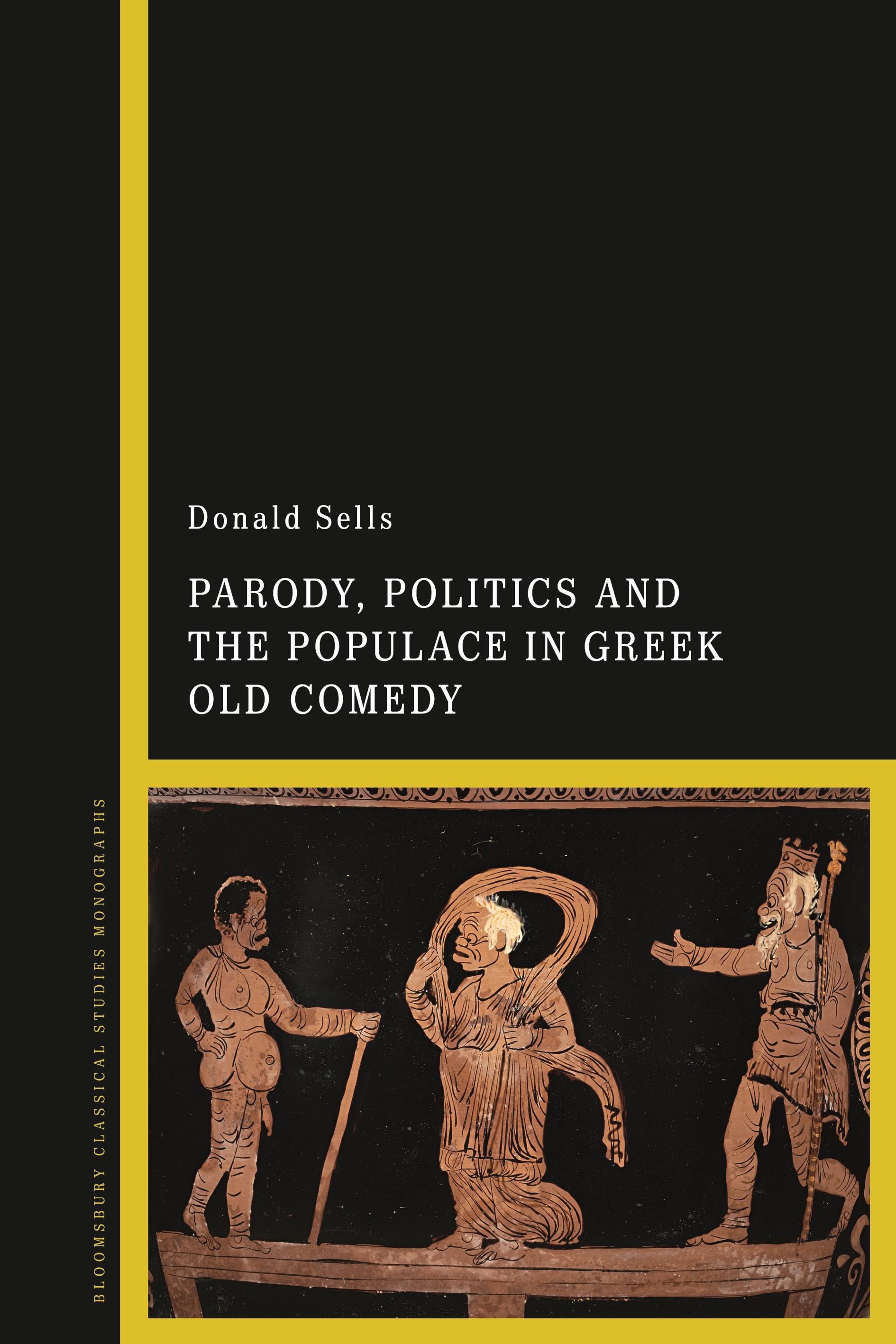
This book argues that Old Comedy's parodic and non-parodic engagement with tragedy, satyr play, and contemporary lyric is geared to enhancing its own status as the preeminent discourse on Athenian art, politics and society. Donald Sells locates the enduring significance of parody in the specific cultural, social and political subtexts that often frame Old Comedy's bold experiments with other genres and drive its rapid evolution in the late fifth century. Close analysis of verbal, visual and narrative strategies reveals the importance of parody and literary appropriation to the particular cultural and political agendas of specific plays.
This study's broader, more flexible definition of parody as a visual – not just verbal – and multi-coded performance represents an important new step in understanding a phenomenon whose richness and diversity exceeds the primarily textual and literary terms by which it is traditionally understood.
This study's broader, more flexible definition of parody as a visual – not just verbal – and multi-coded performance represents an important new step in understanding a phenomenon whose richness and diversity exceeds the primarily textual and literary terms by which it is traditionally understood.
Paga fácilmente con tarjeta, Klarna, Apple Pay o Google Pay. ¿No estás contento? Siempre tienes 14 días de garantía de devolución. Lee más en nuestros términos. Si tienes preguntas, escríbenos a hello@memmo.org.
Memmo hace que estudiar sea más fácil, estés donde estés. Aquí tienes tus libros de texto y herramientas de estudio inteligentes en un solo lugar: resúmenes, quizzes, podcasts y flashcards. Y también a Ted, tu compañero de estudio que responde a todo lo que te preguntes. Más de 50 000 estudiantes ya estudian aquí. Está hecho para que aprendas más rápido y te estreses menos.