
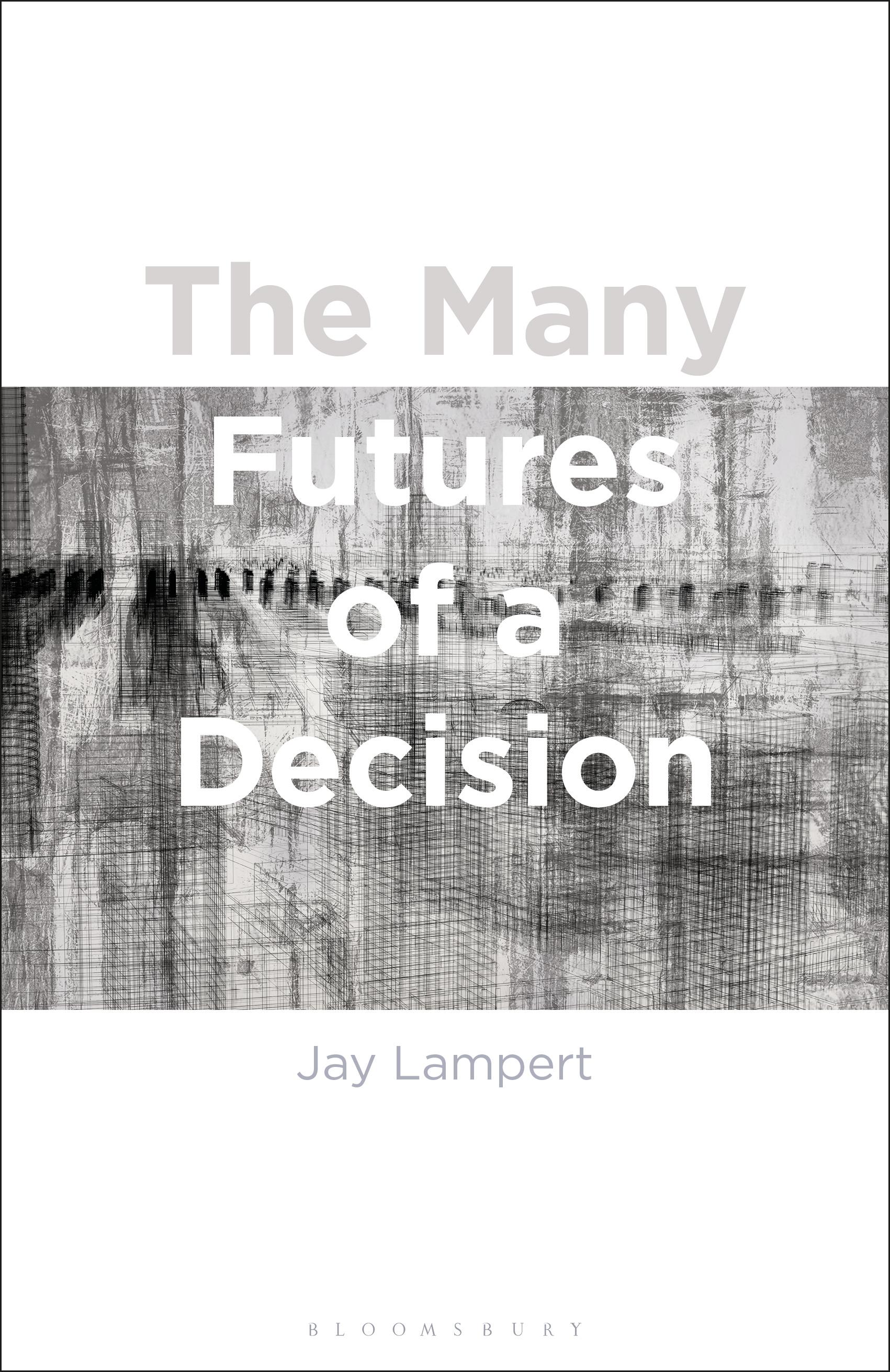
Combining two a central topics in philosophy in the 20th Century, this book considers the ethics and impact of decision-making alongside the philosophy of time.
When we make simple decisions, like the decision to wake up at 8 a.m. tomorrow, we make use of a linear model of the future. But when we make open-ended decisions, like the decision to get fitter, or more involved in politics, we presuppose a much more complex model of the future. We project a variety of virtual futures. We can carry out a decision in many different ways at once, which may converge and diverge at different points in time.
Using a phenomenological approach, The Many Futures of a Decision explores what we learn about the structure of the future specifically from decision-making. Most theories of decision concentrate on the rationality: the evidence and value assessments that build up grounds for a rational decision. Instead, this book innovatively engages with the nature of the future as a multi-layered decisions project. Through interpretations of the theories of decision in philosophers like Husserl and Heidegger, Schmitt and Habermas, Derrida and Deleuze, along with other decision theories, Lampert develops an original theory of multiple futures.
When we make simple decisions, like the decision to wake up at 8 a.m. tomorrow, we make use of a linear model of the future. But when we make open-ended decisions, like the decision to get fitter, or more involved in politics, we presuppose a much more complex model of the future. We project a variety of virtual futures. We can carry out a decision in many different ways at once, which may converge and diverge at different points in time.
Using a phenomenological approach, The Many Futures of a Decision explores what we learn about the structure of the future specifically from decision-making. Most theories of decision concentrate on the rationality: the evidence and value assessments that build up grounds for a rational decision. Instead, this book innovatively engages with the nature of the future as a multi-layered decisions project. Through interpretations of the theories of decision in philosophers like Husserl and Heidegger, Schmitt and Habermas, Derrida and Deleuze, along with other decision theories, Lampert develops an original theory of multiple futures.
Paga fácilmente con tarjeta, Klarna, Apple Pay o Google Pay. ¿No estás contento? Siempre tienes 14 días de garantía de devolución. Lee más en nuestros términos. Si tienes preguntas, escríbenos a hello@memmo.org.
Memmo hace que estudiar sea más fácil, estés donde estés. Aquí tienes tus libros de texto y herramientas de estudio inteligentes en un solo lugar: resúmenes, quizzes, podcasts y flashcards. Y también a Ted, tu compañero de estudio que responde a todo lo que te preguntes. Más de 50 000 estudiantes ya estudian aquí. Está hecho para que aprendas más rápido y te estreses menos.