
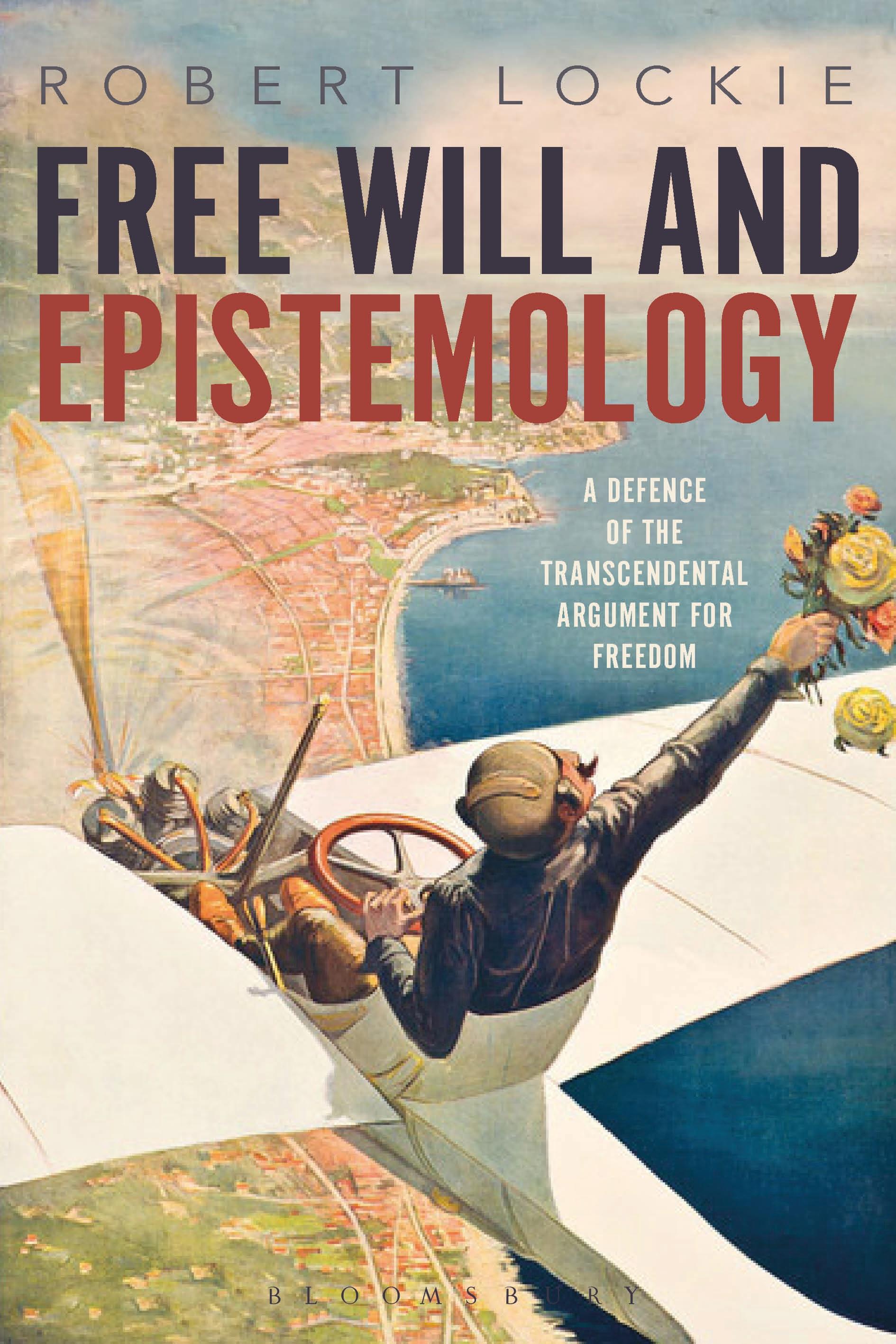
In the first in-depth study of the transcendental argument for decades, Free Will and Epistemology defends a modern version of the famous transcendental argument for free will: that we could not be justified in undermining a strong notion of free will, as a strong notion of free will is required for any such process of undermining to be itself epistemically justified.
By arguing for a conception of internalism that goes back to the early days of the internalist-externalist debates, it draws on work by Richard Foley, William Alston and Alvin Plantinga to explain the importance of epistemic deontology and its role in the transcendental argument. It expands on the principle that 'ought' implies 'can' and presents a strong case for a form of self-determination. With references to cases in the neuroscientific and cognitive-psychological literature, Free Will and Epistemology provides an original contribution to work on epistemic justification and the free will debate.
By arguing for a conception of internalism that goes back to the early days of the internalist-externalist debates, it draws on work by Richard Foley, William Alston and Alvin Plantinga to explain the importance of epistemic deontology and its role in the transcendental argument. It expands on the principle that 'ought' implies 'can' and presents a strong case for a form of self-determination. With references to cases in the neuroscientific and cognitive-psychological literature, Free Will and Epistemology provides an original contribution to work on epistemic justification and the free will debate.
Paga fácilmente con tarjeta, Klarna, Apple Pay o Google Pay. ¿No estás contento? Siempre tienes 14 días de garantía de devolución. Lee más en nuestros términos. Si tienes preguntas, escríbenos a hello@memmo.org.
Memmo hace que estudiar sea más fácil, estés donde estés. Aquí tienes tus libros de texto y herramientas de estudio inteligentes en un solo lugar: resúmenes, quizzes, podcasts y flashcards. Y también a Ted, tu compañero de estudio que responde a todo lo que te preguntes. Más de 50 000 estudiantes ya estudian aquí. Está hecho para que aprendas más rápido y te estreses menos.