
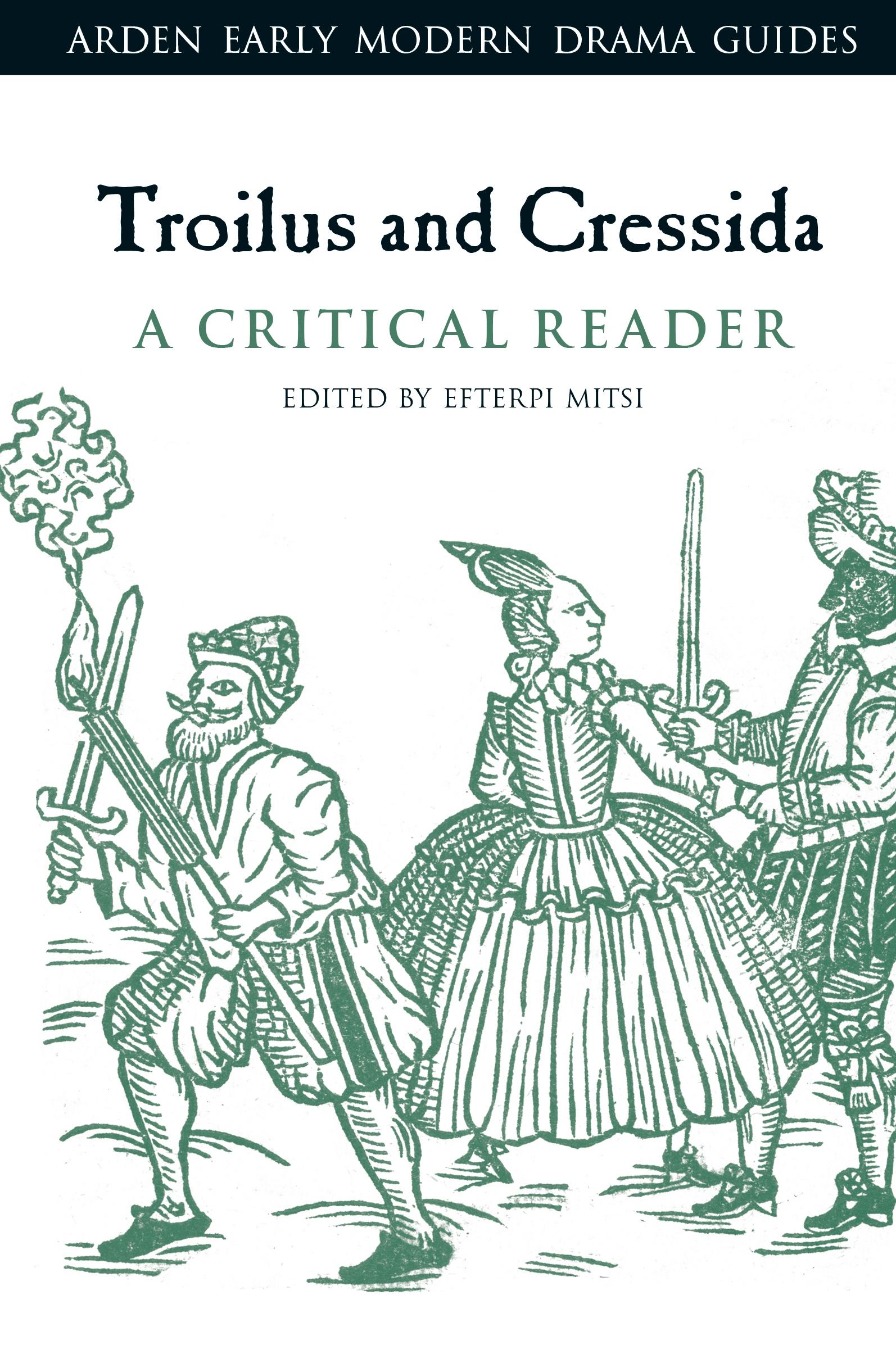
Troilus and Cressida: A Critical Reader offers an accessible and thought-provoking guide to this complex problem play, surveying its key themes and evolving critical preoccupations. Considering its generic ambiguity and experimentalism, it also provides a uniquely detailed and up-to-date history of the play's stage performance from Dryden's rewriting up to Mark Ravenhill and Elizabeth LeCompte's controversial 2012 production for the Royal Shakespeare Company and the Wooster Group.
Moving through to four new critical essays, the guide opens up fresh perspectives on the play's iconoclastic nature and its key themes, ranging from issues of gender and sexuality to Elizabethan politics, from the uses of antiquity to questions of cultural translation, with particular attention paid on Troilus' “Greekness”.
The volume finishes with a helpful guide to critical and web-based resources. Discussing the ways in which this challenging and acerbic play can be brought to life in the classroom, it suggests performance-based strategies, designed to engage with the dramaturgical and theatrical dimensions of the text; close-reading exercises with an emphasis on rhetoric, metaphor and the practice of “troping”; and a series of tools designed to situate the play in a range of contexts, including its classical and critical frameworks.
Moving through to four new critical essays, the guide opens up fresh perspectives on the play's iconoclastic nature and its key themes, ranging from issues of gender and sexuality to Elizabethan politics, from the uses of antiquity to questions of cultural translation, with particular attention paid on Troilus' “Greekness”.
The volume finishes with a helpful guide to critical and web-based resources. Discussing the ways in which this challenging and acerbic play can be brought to life in the classroom, it suggests performance-based strategies, designed to engage with the dramaturgical and theatrical dimensions of the text; close-reading exercises with an emphasis on rhetoric, metaphor and the practice of “troping”; and a series of tools designed to situate the play in a range of contexts, including its classical and critical frameworks.
Paga fácilmente con tarjeta, Klarna, Apple Pay o Google Pay. ¿No estás contento? Siempre tienes 14 días de garantía de devolución. Lee más en nuestros términos. Si tienes preguntas, escríbenos a hello@memmo.org.
Memmo hace que estudiar sea más fácil, estés donde estés. Aquí tienes tus libros de texto y herramientas de estudio inteligentes en un solo lugar: resúmenes, quizzes, podcasts y flashcards. Y también a Ted, tu compañero de estudio que responde a todo lo que te preguntes. Más de 50 000 estudiantes ya estudian aquí. Está hecho para que aprendas más rápido y te estreses menos.