
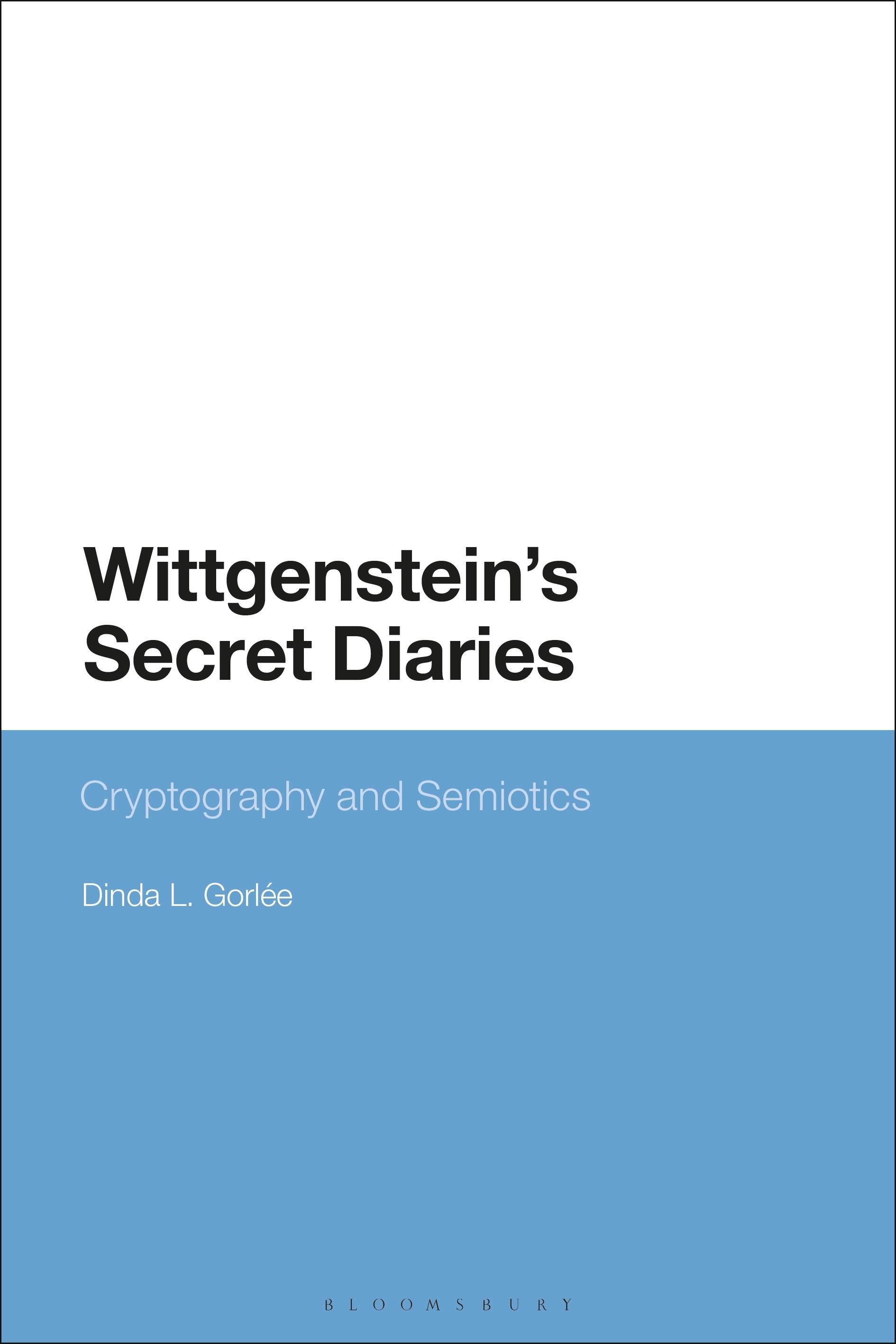
Ludwig Wittgenstein's works encompass a huge number of published philosophical manuscripts, notebooks, lectures, remarks, and responses, as well as his unpublished private diaries. The diaries were written mainly in coded script to interpolate his writings on the philosophy of language with autobiographic passages, but were previously unknown to the public and impossible to decode without learning the coding system.
This book deciphers the cryptography of the diary entries to examine what Wittgenstein's personal idiom reveals about his public and private identities. Employing the semiotic doctrine of Charles S. Peirce, Dinda L. Gorlée argues that the style of writing reflects the variety of Wittgenstein's emotional moods, which were profoundly affected by his medical symptoms. Bringing Peirce's reasoning of abduction together with induction and deduction, the book investigates how the semiosis of the emotional, energetic, and logical interpretations of signs and objects reveal Wittgenstein's psychological states in the coded diaries.
This book deciphers the cryptography of the diary entries to examine what Wittgenstein's personal idiom reveals about his public and private identities. Employing the semiotic doctrine of Charles S. Peirce, Dinda L. Gorlée argues that the style of writing reflects the variety of Wittgenstein's emotional moods, which were profoundly affected by his medical symptoms. Bringing Peirce's reasoning of abduction together with induction and deduction, the book investigates how the semiosis of the emotional, energetic, and logical interpretations of signs and objects reveal Wittgenstein's psychological states in the coded diaries.
Paga fácilmente con tarjeta, Klarna, Apple Pay o Google Pay. ¿No estás contento? Siempre tienes 14 días de garantía de devolución. Lee más en nuestros términos. Si tienes preguntas, escríbenos a hello@memmo.org.
Memmo hace que estudiar sea más fácil, estés donde estés. Aquí tienes tus libros de texto y herramientas de estudio inteligentes en un solo lugar: resúmenes, quizzes, podcasts y flashcards. Y también a Ted, tu compañero de estudio que responde a todo lo que te preguntes. Más de 50 000 estudiantes ya estudian aquí. Está hecho para que aprendas más rápido y te estreses menos.