
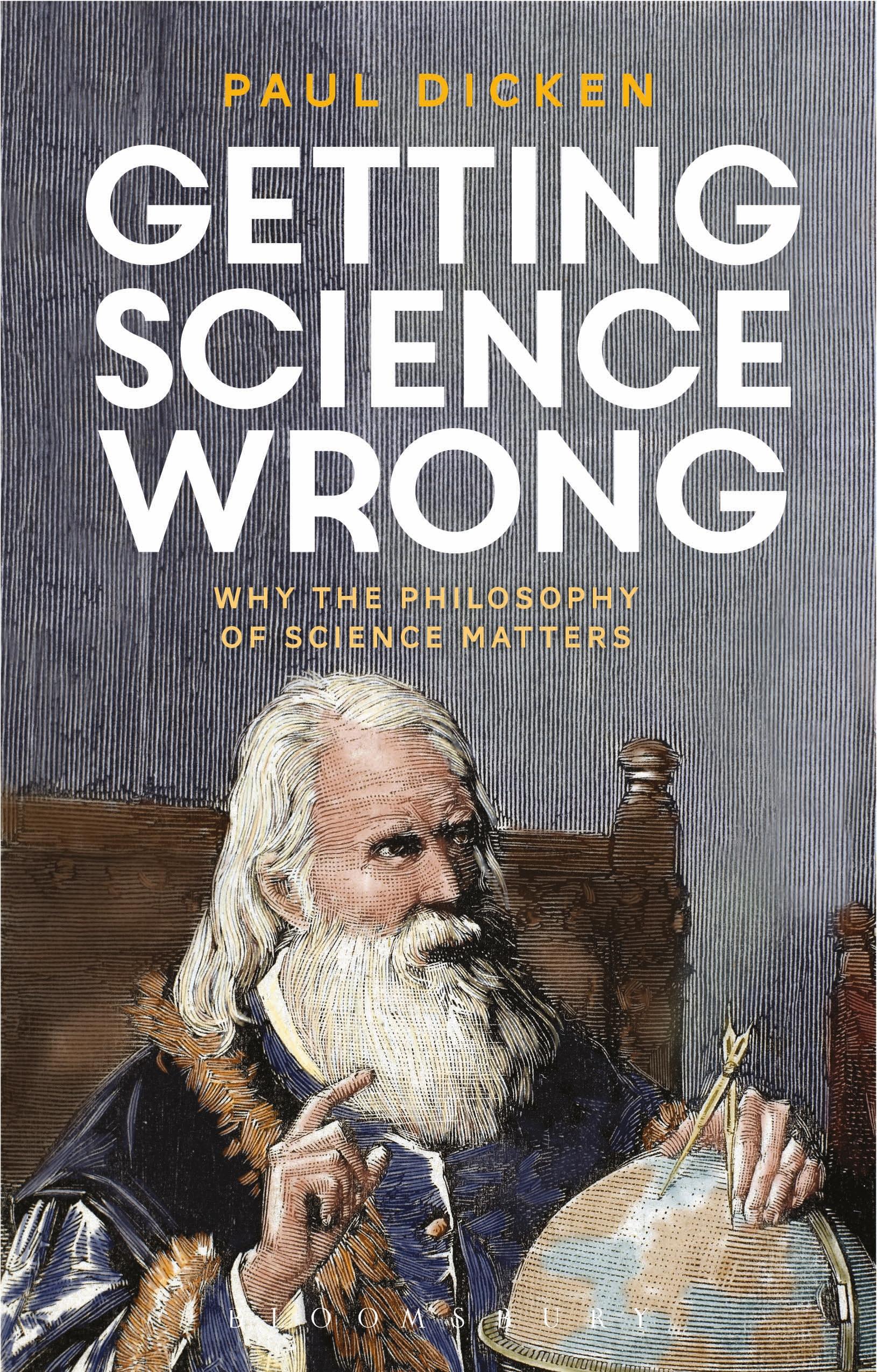
When Galileo dropped cannon-balls from the top of the Leaning Tower of Pisa, he did more than overturn centuries of scientific orthodoxy. At a stroke, he established a new conception of the scientific method based upon careful experimentation and rigorous observation - and also laid the groundwork for an ongoing conflict between the critical open-mindedness of science and the recalcitrant dogmatism of religion that would continue to the modern day.
The problem is that Galileo never performed his most celebrated experiment in Pisa. In fact, he rarely conducted any experiments at all. The Church publicly celebrated his work, and Galileo enjoyed patronage from the great and the powerful; his ecclesiastical difficulties only began when disgruntled colleagues launched a campaign to discredit their academic rival. But what does this tell us about modern science if its own foundation myth turns out to be nothing more than political propaganda?
Getting Science Wrong discusses some of the most popular misconceptions about science, and their continuing role in the public imagination. Drawing upon the history and philosophy of science it challenges wide-spread assumptions and misunderstandings, from creationism and climate change to the use of statistics and computer modelling. The result is an engaging introduction to contentious issues in the philosophy of science and a new way of looking at the role of science in society.
The problem is that Galileo never performed his most celebrated experiment in Pisa. In fact, he rarely conducted any experiments at all. The Church publicly celebrated his work, and Galileo enjoyed patronage from the great and the powerful; his ecclesiastical difficulties only began when disgruntled colleagues launched a campaign to discredit their academic rival. But what does this tell us about modern science if its own foundation myth turns out to be nothing more than political propaganda?
Getting Science Wrong discusses some of the most popular misconceptions about science, and their continuing role in the public imagination. Drawing upon the history and philosophy of science it challenges wide-spread assumptions and misunderstandings, from creationism and climate change to the use of statistics and computer modelling. The result is an engaging introduction to contentious issues in the philosophy of science and a new way of looking at the role of science in society.
Paga fácilmente con tarjeta, Klarna, Apple Pay o Google Pay. ¿No estás contento? Siempre tienes 14 días de garantía de devolución. Lee más en nuestros términos. Si tienes preguntas, escríbenos a hello@memmo.org.
Memmo hace que estudiar sea más fácil, estés donde estés. Aquí tienes tus libros de texto y herramientas de estudio inteligentes en un solo lugar: resúmenes, quizzes, podcasts y flashcards. Y también a Ted, tu compañero de estudio que responde a todo lo que te preguntes. Más de 50 000 estudiantes ya estudian aquí. Está hecho para que aprendas más rápido y te estreses menos.