
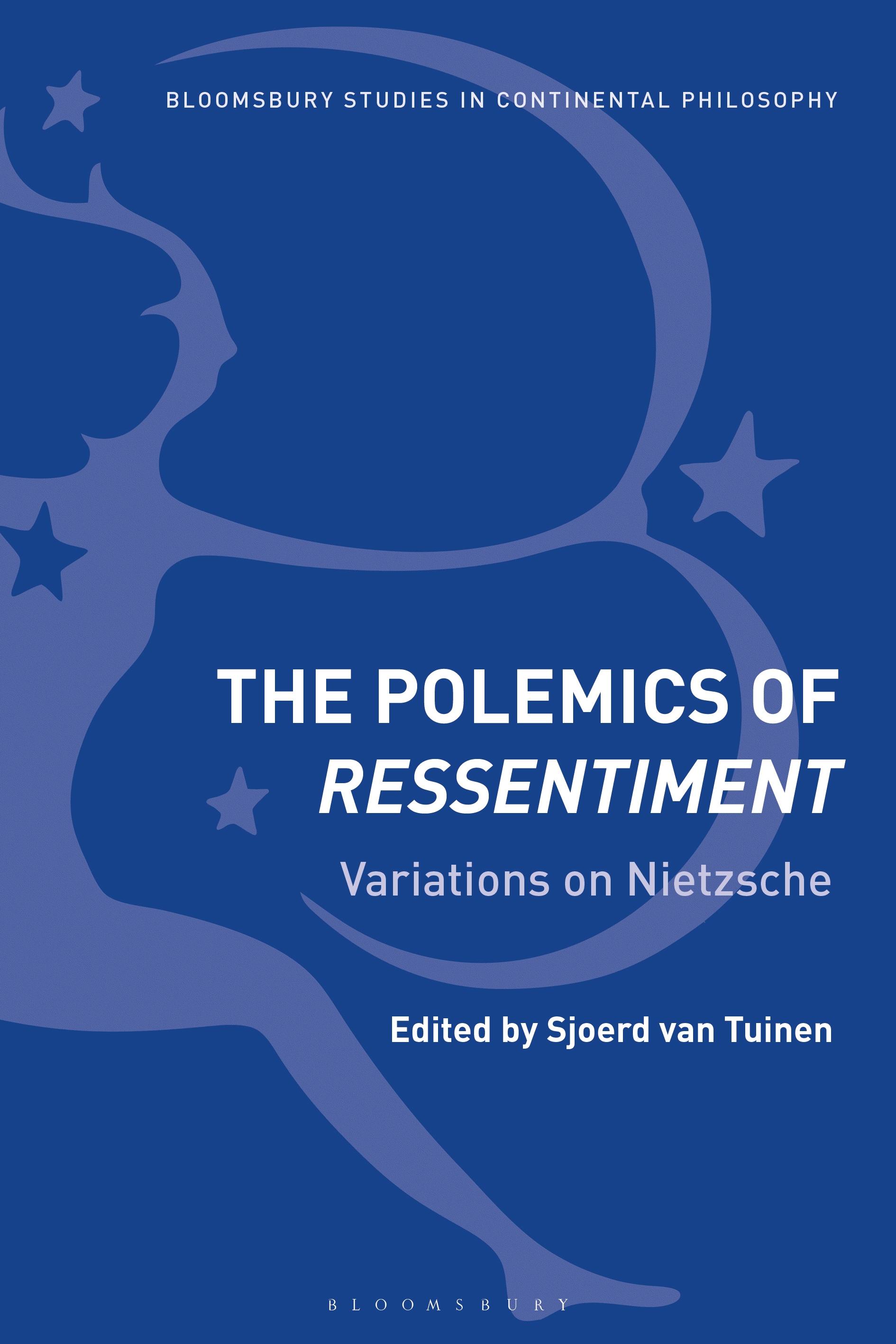
The rise of populism, cynicism, fanaticism and fundamentalism challenges us to reconsider the problem of ressentiment. Characterized by Nietzsche as the self-poisoning of the will through internalising trauma in the form of a postponed and imaginary revenge, the concept of ressentiment is making a comeback in political
discourse.
Unlike resentment, the feeling of injustice, ressentiment is an intrinsically polemical notion. It implies a political drama in which there is no inherent good sense in its application and no universal criterion. Drawing on psychoanalysis, political theory, media theory and philosophy, this book examines a wide variety of ideological contexts, offering an examination of the divergent senses in which the concept of ressentiment is used today.
discourse.
Unlike resentment, the feeling of injustice, ressentiment is an intrinsically polemical notion. It implies a political drama in which there is no inherent good sense in its application and no universal criterion. Drawing on psychoanalysis, political theory, media theory and philosophy, this book examines a wide variety of ideological contexts, offering an examination of the divergent senses in which the concept of ressentiment is used today.
Paga fácilmente con tarjeta, Klarna, Apple Pay o Google Pay. ¿No estás contento? Siempre tienes 14 días de garantía de devolución. Lee más en nuestros términos. Si tienes preguntas, escríbenos a hello@memmo.org.
Memmo hace que estudiar sea más fácil, estés donde estés. Aquí tienes tus libros de texto y herramientas de estudio inteligentes en un solo lugar: resúmenes, quizzes, podcasts y flashcards. Y también a Ted, tu compañero de estudio que responde a todo lo que te preguntes. Más de 50 000 estudiantes ya estudian aquí. Está hecho para que aprendas más rápido y te estreses menos.