
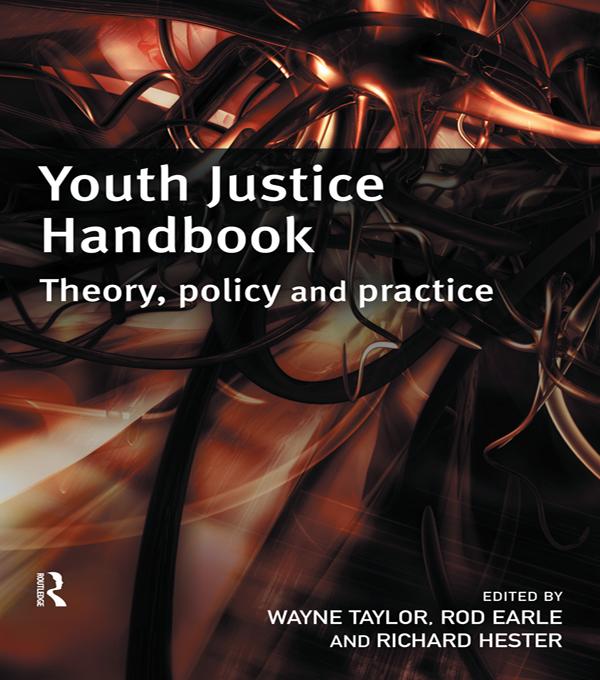
What knowledge and skills do you need to practise effectively as a professional within the youth justice system? What values should inform your work with children and young people subject to criminal justice sanctions? These are the central questions addressed by the editors and contributors in this comprehensive new text.
The Youth Justice Handbook provides an essential resource for practitioners in youth justice as well as those who are studying the subject as part of their training or an academic course. Its aim is to equip practitioners in youth justice and the wider children’s workforce with an understanding of key theoretical concepts from a range of disciplines that might inform and enhance their work. It encourages a critical interrogation of the ideas that underpin practice by drawing on social constructionist approaches to issues such as ‘child development’, ‘crime’ and ‘punishment’ and related concepts. It provides a descriptive account of current practice in
areas such as community corrections and incarceration, examining the evidence base for this and suggesting – where appropriate – alternative strategies.
The key objective of the Handbook is to provide students with the confidence to critically reflect on the ideas and debates that currently influence the work undertaken with young people as well as those that may shape practice in the future. By equipping them with the basic skills of analysis and an understanding of key themes and developments, it aims to further promote their progression as reflective practitioners and autonomous learners.
The Youth Justice Handbook takes a multidisciplinary approach, and contains chapters from leading experts in the field which draw on original research and practical experience of working in the area. It is divided into five parts:
• Contexts of childhood and youth
• Research, knowledge and evidence in youth justice
• Policy, possibilities and penal realities in youth justice
• Reflective practice
• Widening contexts
Paga fácilmente con tarjeta, Klarna, Apple Pay o Google Pay. ¿No estás contento? Siempre tienes 14 días de garantía de devolución. Lee más en nuestros términos. Si tienes preguntas, escríbenos a hello@memmo.org.
Memmo hace que estudiar sea más fácil, estés donde estés. Aquí tienes tus libros de texto y herramientas de estudio inteligentes en un solo lugar: resúmenes, quizzes, podcasts y flashcards. Y también a Ted, tu compañero de estudio que responde a todo lo que te preguntes. Más de 50 000 estudiantes ya estudian aquí. Está hecho para que aprendas más rápido y te estreses menos.