
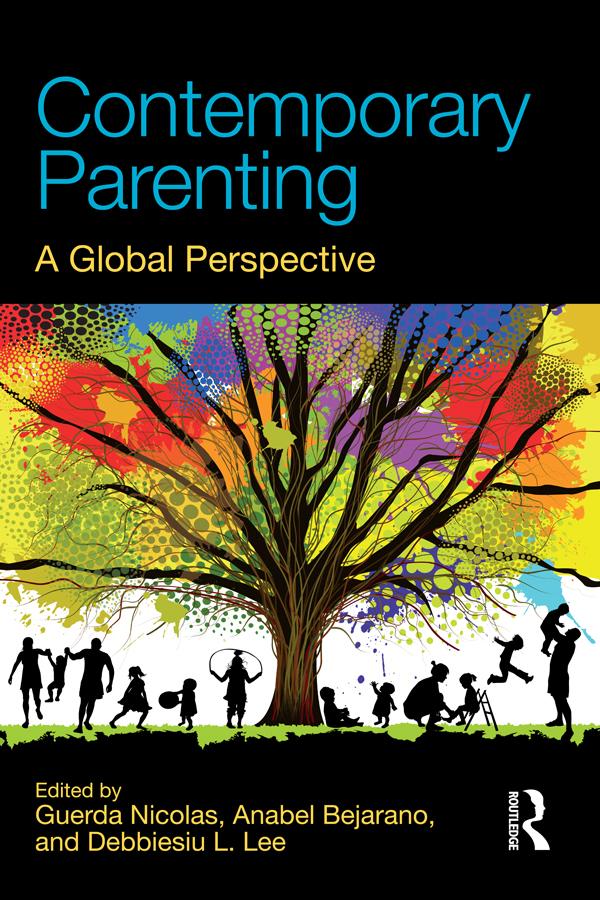
Through a global, multidisciplinary perspective, this book describes how four factors influence parenting practices: a countries historical and political background, the parent’s educational history, the economy and the parent’s financial standing, and advances in technology. Case studies that illustrate the impact these four factors have on parents in various regions help us better understand parenting in today’s global, interconnected world. Descriptions of parenting practices in countries from Europe, North and South America, Africa, Asia, and the Caribbean give readers a contemporary perspective. Both research and clinical implications when working with families from various cultures are integrated throughout.
Part I reviews the four major factors that shape parenting practices. Part II features cases written by contributors with extensive experience in parenting practice and research that bring to life the ways in which these four factors influence parenting within their region. Each chapter in Part II follows the same format to provide consistency for comparative purposes: an introduction, historical and political, economic, educational, and societal factors and parenting practices, and a conclusion.
Each case reviews:
- Historical and political factors such as slavery, war, and natural disasters and how these factors impact cultural beliefs, parenting behaviors, and a child’s development
- Economic factors which impact the capacity for consistent, involved parenting which can result in low IQ, behavioral problems, depression, and domestic conflict and the need to account for financial factors when developing intervention programs
- Educational levels impact on parenting practices and their children’s achievements
- Advances in technology and its impact on parenting practices
Intended for graduate or advanced undergraduate courses in families in global context, immigrant families, family or public policy, multiculturalism or cross-cultural psychology, social or cultural development, counseling, social work, or international development taught in human development and family studies, psychology, social work, sociology, anthropology, racial studies, and international relations, this book also appeals to practitioners and researchers interested in family studies and child development and policy and program managers of governments, NGOs, and mental health agencies.
Paga fácilmente con tarjeta, Klarna, Apple Pay o Google Pay. ¿No estás contento? Siempre tienes 14 días de garantía de devolución. Lee más en nuestros términos. Si tienes preguntas, escríbenos a hello@memmo.org.
Memmo hace que estudiar sea más fácil, estés donde estés. Aquí tienes tus libros de texto y herramientas de estudio inteligentes en un solo lugar: resúmenes, quizzes, podcasts y flashcards. Y también a Ted, tu compañero de estudio que responde a todo lo que te preguntes. Más de 50 000 estudiantes ya estudian aquí. Está hecho para que aprendas más rápido y te estreses menos.