
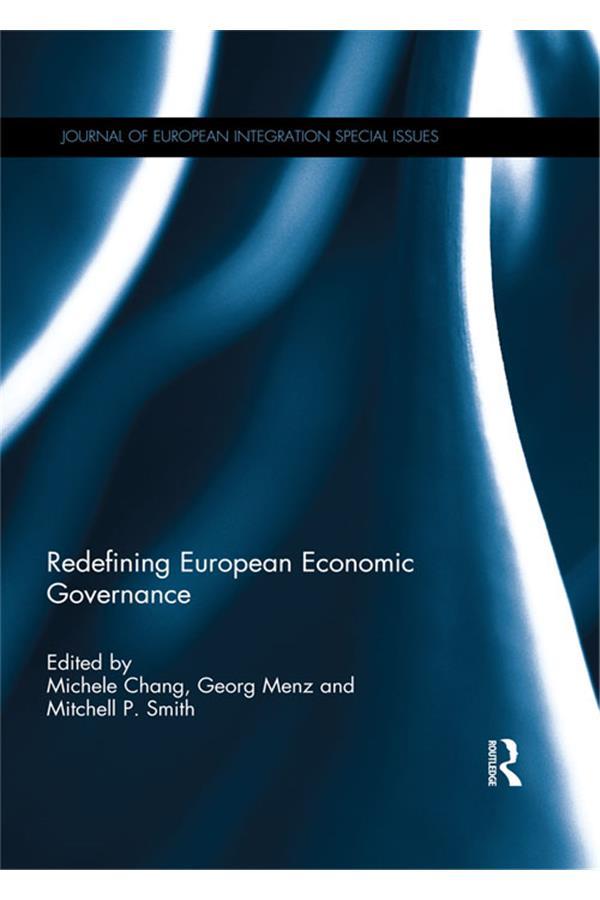
The global financial crisis and sovereign debt crisis exposed the inadequacy of European economic governance. Despite the multitude of new mechanisms and institutions that have arisen over the last few years, many contend that economic governance remains inadequate and the EU must integrate even further to calm still-volatile markets. A tension exists between creating effective instruments that will not overstep the authority delegated to an EU that has integrated economically but not politically. Can the EU’s economic governance system satisfy the demands of markets and politics? Relevant issues include the ability of supranational institutions to dictate policy to national governments, the harmonization of economic policies and institutions across Europe, and a substantial increase in the transfer of funds across borders. Can monetary union continue without political union? How will the new institutions alter the distribution of power between EU institutions as well as between member states?
This edited volume analyzes the major policy challenges and institutional mechanisms at the EU- and international levels to combat the global financial crisis and the EU’s sovereign debt crisis such as financial integration, fiscal cooperation, and the rising power of the ECB.
This book was published as a special issue of the Journal of European Integration.
Paga fácilmente con tarjeta, Klarna, Apple Pay o Google Pay. ¿No estás contento? Siempre tienes 14 días de garantía de devolución. Lee más en nuestros términos. Si tienes preguntas, escríbenos a hello@memmo.org.
Memmo hace que estudiar sea más fácil, estés donde estés. Aquí tienes tus libros de texto y herramientas de estudio inteligentes en un solo lugar: resúmenes, quizzes, podcasts y flashcards. Y también a Ted, tu compañero de estudio que responde a todo lo que te preguntes. Más de 50 000 estudiantes ya estudian aquí. Está hecho para que aprendas más rápido y te estreses menos.