
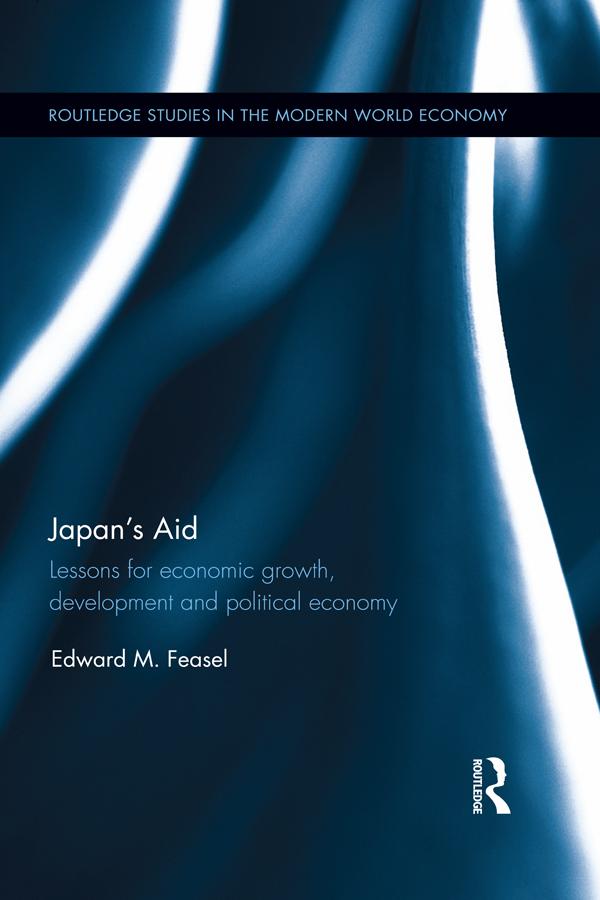
In the twentieth century Japan emerged as one of the world’s leading economic powers: rising from wartime destruction to a leading economic engine in world markets. Japan’s economic aid policy, beginning with war reparations following its defeat in World War II, became a vehicle to help achieve this economic success. As the country continued to flourish, economic aid also became a means of expanding the country’s influence in an era of increasing globalization, providing an alternative strategy for helping developing nations escape the traps of poverty: a strategy drawn from its own experience of reemergence. And as we stand at the beginning of a new century, Japanese aid policy may also serve as a potential model for other nations who are on the cusp of entering high-income status and the group of elite world donors: a model that in many ways lies in contrast to policies espoused by other advanced Western nations.
The book Japan’s Aid examines the strengths and weaknesses of Japanese aid policy in all of these dimensions: in fostering economic growth in both its own economic success story and in the numerous countries to which it has served as the single largest bilateral donor over many years; and as a policy that other nations might emulate. Through a combination of insightful case studies and rigorous econometric investigation, the book presents a comprehensive examination of the pros and cons of Japan’s aid.
Paga fácilmente con tarjeta, Klarna, Apple Pay o Google Pay. ¿No estás contento? Siempre tienes 14 días de garantía de devolución. Lee más en nuestros términos. Si tienes preguntas, escríbenos a hello@memmo.org.
Memmo hace que estudiar sea más fácil, estés donde estés. Aquí tienes tus libros de texto y herramientas de estudio inteligentes en un solo lugar: resúmenes, quizzes, podcasts y flashcards. Y también a Ted, tu compañero de estudio que responde a todo lo que te preguntes. Más de 50 000 estudiantes ya estudian aquí. Está hecho para que aprendas más rápido y te estreses menos.