
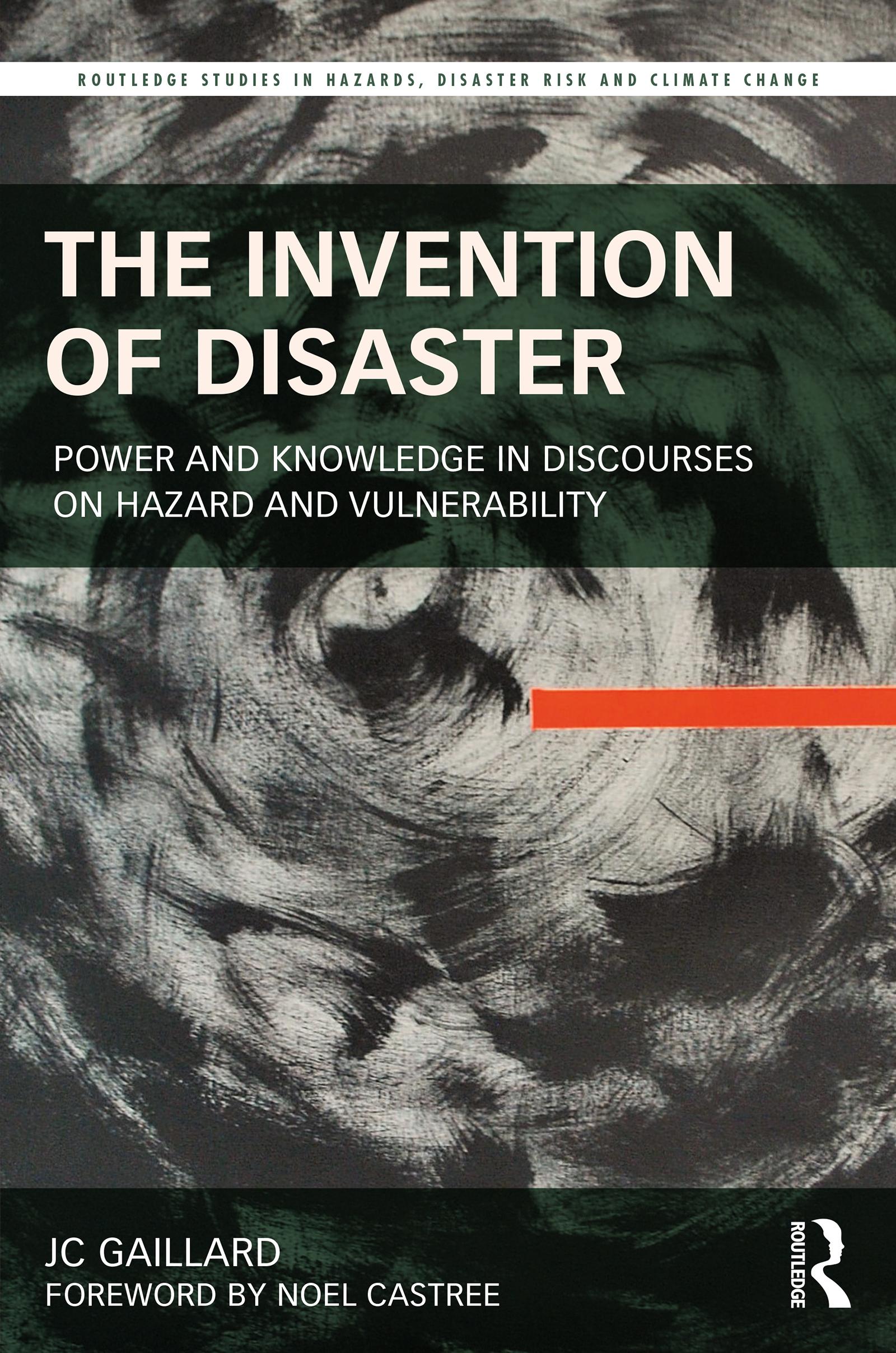
This theoretical contribution argues that the domination of Western knowledge in disaster scholarship has allowed normative policies and practices of disaster risk reduction to be imposed all over the world. It takes a postcolonial approach to unpack why scholars claim that disasters are social constructs while offering little but theories, concepts and methods supposed to be universal in understanding the unique and diverse experiences of millions of people across very different cultures. It further challenges forms of governments inherited from the Enlightenment that have been rolled out as standard and ultimate solutions to reduce the risk of disaster. Ultimately, the book encourages the emergence of a more diverse set of world views/senses and ways of knowing for both studying disasters and informing policy and practice of disaster risk reduction. Such pluralism is essential to better reflect local realities of what disasters actually are around the world.
This book is an essential read for scholars and postgraduate students interested in disaster studies as well as policy-makers and practitioners of disaster risk reduction.
Paga fácilmente con tarjeta, Klarna, Apple Pay o Google Pay. ¿No estás contento? Siempre tienes 14 días de garantía de devolución. Lee más en nuestros términos. Si tienes preguntas, escríbenos a hello@memmo.org.
Memmo hace que estudiar sea más fácil, estés donde estés. Aquí tienes tus libros de texto y herramientas de estudio inteligentes en un solo lugar: resúmenes, quizzes, podcasts y flashcards. Y también a Ted, tu compañero de estudio que responde a todo lo que te preguntes. Más de 50 000 estudiantes ya estudian aquí. Está hecho para que aprendas más rápido y te estreses menos.