
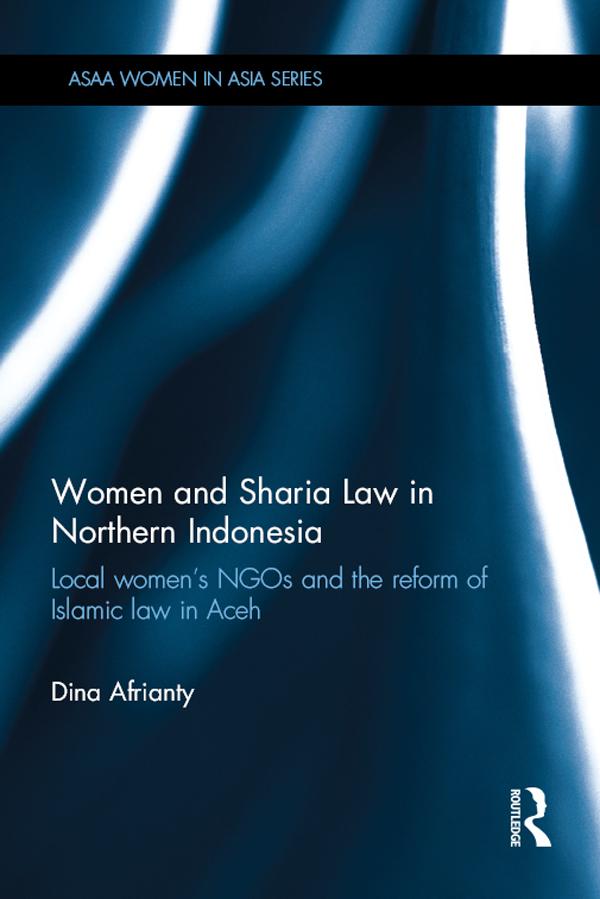
This book examines the life of women in the Indonesian province of Aceh, where Islamic law was introduced in 1999. It outlines how women have had to face the formalisation of conservative understandings of sharia law in regulations and new state institutions over the last decade or so, how they have responded to this, forming non-governmental organisations (NGOs) that have shaped local discourse on women’s rights, equality and status in Islam, and how these NGOs have strategised, demanded reform, and enabled Acehnese women to take active roles in influencing the processes of democratisation and Islamisation that are shaping the province. The book shows that although the formal introduction of Islamic law in Aceh has placed restrictions on women’s freedom, paradoxically it has not prevented them from engaging in public life. It argues that the democratisation of Indonesia, which allowed Islamisation to occur, continues to act as an important factor shaping Islamisation’s current trajectory; that the introduction of Islamic law has motivated women’s NGOs and other elements of civil society to become more involved in wider discussions about the future of sharia in Aceh; and that Indonesia’s recent decentralisation policy and growing local Islamism have enabled the emergence of different religious and local adat practices, which do not necessarily correspond to overall national trends.
Paga fácilmente con tarjeta, Klarna, Apple Pay o Google Pay. ¿No estás contento? Siempre tienes 14 días de garantía de devolución. Lee más en nuestros términos. Si tienes preguntas, escríbenos a hello@memmo.org.
Memmo hace que estudiar sea más fácil, estés donde estés. Aquí tienes tus libros de texto y herramientas de estudio inteligentes en un solo lugar: resúmenes, quizzes, podcasts y flashcards. Y también a Ted, tu compañero de estudio que responde a todo lo que te preguntes. Más de 50 000 estudiantes ya estudian aquí. Está hecho para que aprendas más rápido y te estreses menos.