
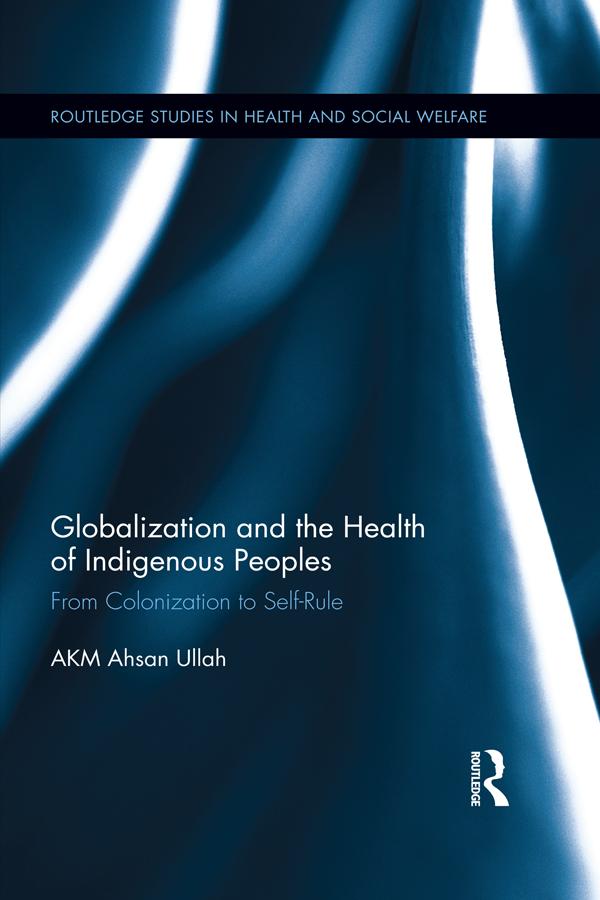
In 70 countries worldwide, there is an estimated 370 million indigenous peoples, and their rich diversity of cultures, religions, traditions, languages and histories has been significant source of our scholarships. However, the health status of this population group is far below than that of non-indigenous populations by all standards. Could the persisting reluctance to understand the influence of self-governance, globalization and social determinants of health in the lives of these people be deemed as a contributor to the poor health of indigenous peoples?
Within this volume, Ullah explores the gap in health status between indigenous and non-indigenous peoples by providing a comparative assessment of socio-economic and health indicators for indigenous peoples, government policies, and the ways in which indigenous peoples have been resisting and adapting to state policies.
A timely book for a growing field of study, Globalization and the Health of Indigenous Peoples is a must read for academics, policy-makers, and practitioners who are interested in indigenous studies and in understanding the role that globalization plays for the improvement of indigenous peoples’ health across the world.
Paga fácilmente con tarjeta, Klarna, Apple Pay o Google Pay. ¿No estás contento? Siempre tienes 14 días de garantía de devolución. Lee más en nuestros términos. Si tienes preguntas, escríbenos a hello@memmo.org.
Memmo hace que estudiar sea más fácil, estés donde estés. Aquí tienes tus libros de texto y herramientas de estudio inteligentes en un solo lugar: resúmenes, quizzes, podcasts y flashcards. Y también a Ted, tu compañero de estudio que responde a todo lo que te preguntes. Más de 50 000 estudiantes ya estudian aquí. Está hecho para que aprendas más rápido y te estreses menos.