
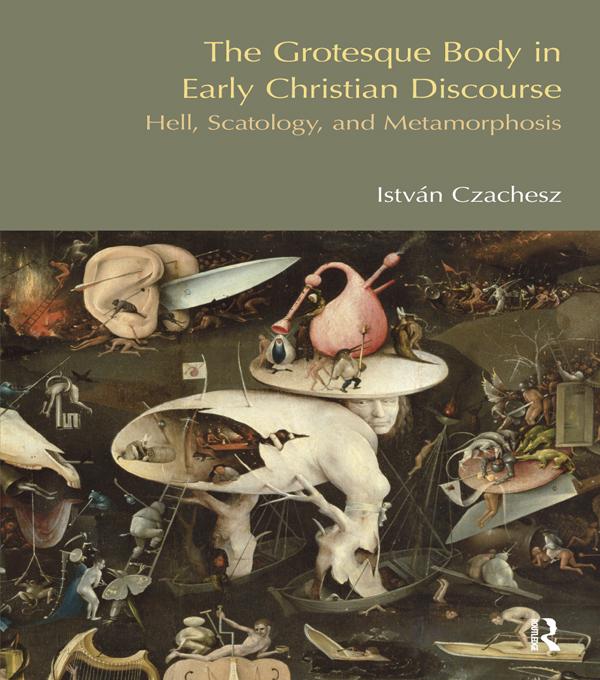
Early Christian apocryphal and conical documents present us with grotesque images of the human body, often combining the playful and humorous with the repulsive, and fearful. First to third century Christian literature was shaped by the discourse around and imagery of the human body. This study analyses how the iconography of bodily cruelty and visceral morality was produced and refined from the very start of Christian history. The sources range across Greek comedy, Roman and Jewish demonology, and metamorphosis traditions. The study reveals how these images originated, were adopted, and were shaped to the service of a doctrinally and psychologically persuasive Christian message.
Paga fácilmente con tarjeta, Klarna, Apple Pay o Google Pay. ¿No estás contento? Siempre tienes 14 días de garantía de devolución. Lee más en nuestros términos. Si tienes preguntas, escríbenos a hello@memmo.org.
Memmo hace que estudiar sea más fácil, estés donde estés. Aquí tienes tus libros de texto y herramientas de estudio inteligentes en un solo lugar: resúmenes, quizzes, podcasts y flashcards. Y también a Ted, tu compañero de estudio que responde a todo lo que te preguntes. Más de 50 000 estudiantes ya estudian aquí. Está hecho para que aprendas más rápido y te estreses menos.
También te podría gustar
Comprar el libro0