
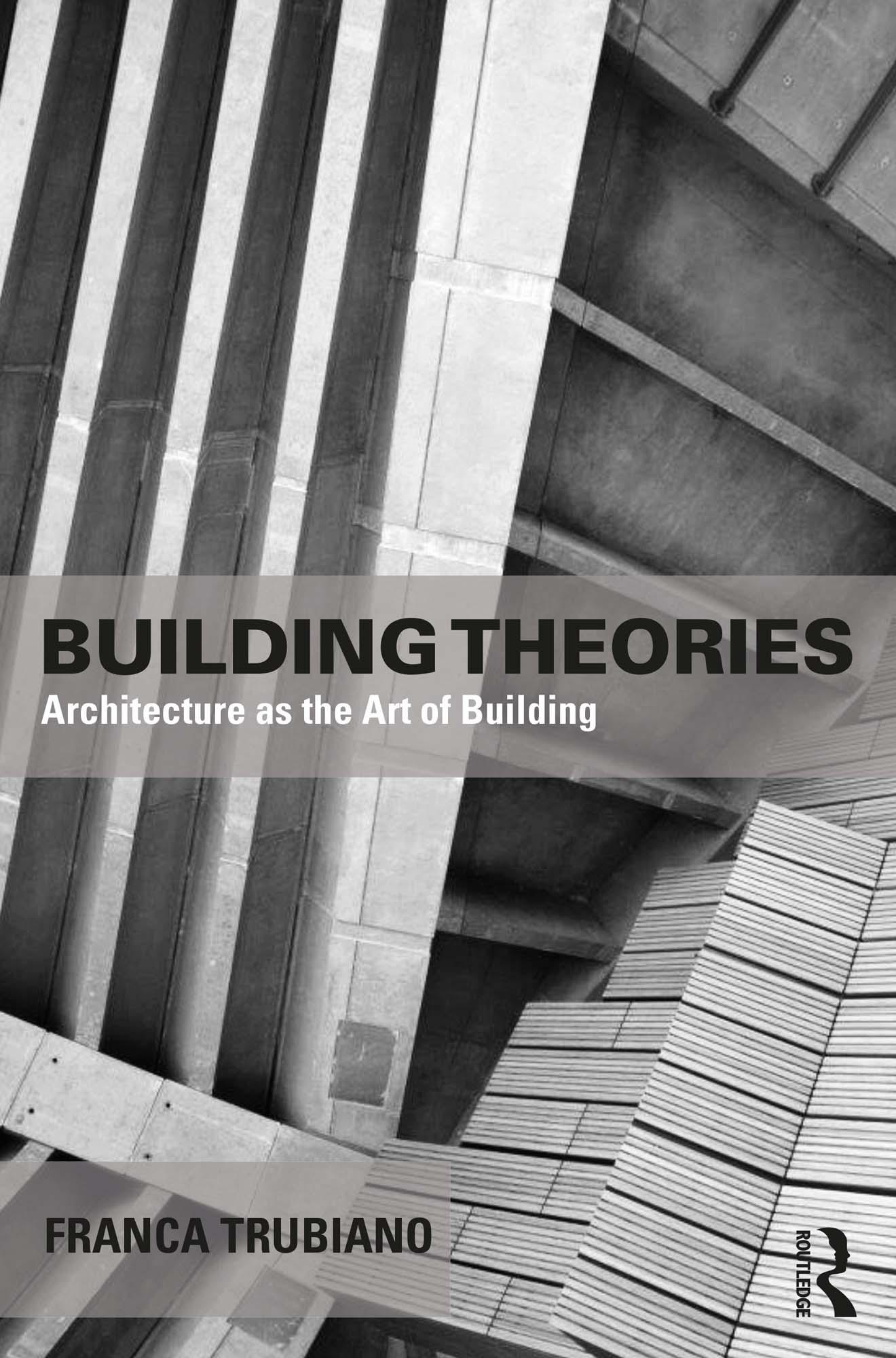
Building Theories speaks to the value of words in architecture. It addresses the author’s fascination with the voices of architects, engineers, builders, and craftspeople whose ideas about building have been captured in text. It discusses the content of treatises, essays, articles, and letters by those who have been, throughout history, committed to the art of building. In this, Building Theories argues for the return of a practice of architectural theory that is set amongst building, buildings, and builders. This journey of close reading reinterprets the words of Vitruvius, Alberti, de L’Orme, Le Camus de Mézières, Boullée, Laugier, Rondelet, Semper, Viollet-le-Duc, Hübsch, Bötticher, Berlage, Muthesius, Wagner, Behrendt, Gropius, and Arup. With chapters dedicated to texts from antiquity, the Renaissance, and the nineteenth century, and with a critical eye on architectural theory popularized in the Anglo-Saxon world post-1968, readers are introduced to a wider, more inclusive definition of architectural ideas. Building Theories considers how contemporary scholarship has steered away from the topic of building in its reluctance to admit that both design and construction are central to its concerns. In response, it argues for a realignment of architecture with the concept of techné, with a dual commitment to fabrica e ratio, with a productive return to l’art de bien bastir, with the accurate translation of the term Baukunst, and with an appeal to the architect’s ‘composite mind.’ Students, practitioners, and educators will identify in Building Theories ways of thinking that strive for the integration of design with construction; reject the supposed primacy of the former over the latter; recognize how aesthetics are an insufficient scaffold for subtending the subject of architectural ethics; and accept, without reservation, that material transformations have always been at the origins of built form.
Paga fácilmente con tarjeta, Klarna, Apple Pay o Google Pay. ¿No estás contento? Siempre tienes 14 días de garantía de devolución. Lee más en nuestros términos. Si tienes preguntas, escríbenos a hello@memmo.org.
Memmo hace que estudiar sea más fácil, estés donde estés. Aquí tienes tus libros de texto y herramientas de estudio inteligentes en un solo lugar: resúmenes, quizzes, podcasts y flashcards. Y también a Ted, tu compañero de estudio que responde a todo lo que te preguntes. Más de 50 000 estudiantes ya estudian aquí. Está hecho para que aprendas más rápido y te estreses menos.