
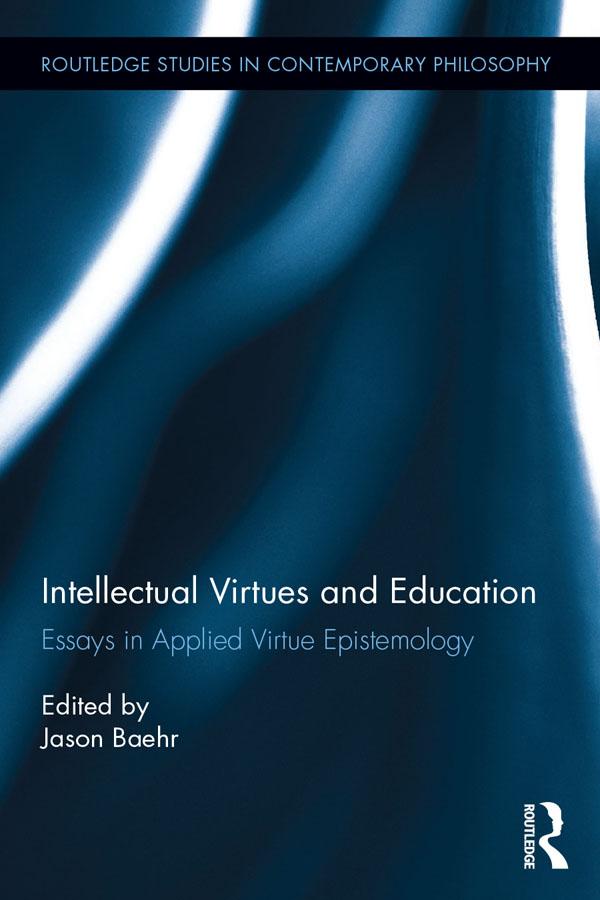
With its focus on intellectual virtues and their role in the acquisition and transmission of knowledge and related epistemic goods, virtue epistemology provides a rich set of tools for educational theory and practice. In particular, characteristics under the rubric of "responsibilist" virtue epistemology, like curiosity, open-mindedness, attentiveness, intellectual courage, and intellectual tenacity, can help educators and students define and attain certain worthy but nebulous educational goals like a love of learning, lifelong learning, and critical thinking. This volume is devoted to exploring the intersection between virtue epistemology and education. It assembles leading virtue epistemologists and philosophers of education to address such questions as: Which virtues are most essential to education? How exactly should these virtues be understood? How is the goal of intellectual character growth related to other educational goals, for example, to critical thinking and knowledge-acquisition? What are the "best practices" for achieving this goal? Can growth in intellectual virtues be measured? The chapters are a prime example of "applied epistemology" and promise to be a seminal contribution to an area of research that is rapidly gaining attention within epistemology and beyond.
Paga fácilmente con tarjeta, Klarna, Apple Pay o Google Pay. ¿No estás contento? Siempre tienes 14 días de garantía de devolución. Lee más en nuestros términos. Si tienes preguntas, escríbenos a hello@memmo.org.
Memmo hace que estudiar sea más fácil, estés donde estés. Aquí tienes tus libros de texto y herramientas de estudio inteligentes en un solo lugar: resúmenes, quizzes, podcasts y flashcards. Y también a Ted, tu compañero de estudio que responde a todo lo que te preguntes. Más de 50 000 estudiantes ya estudian aquí. Está hecho para que aprendas más rápido y te estreses menos.