
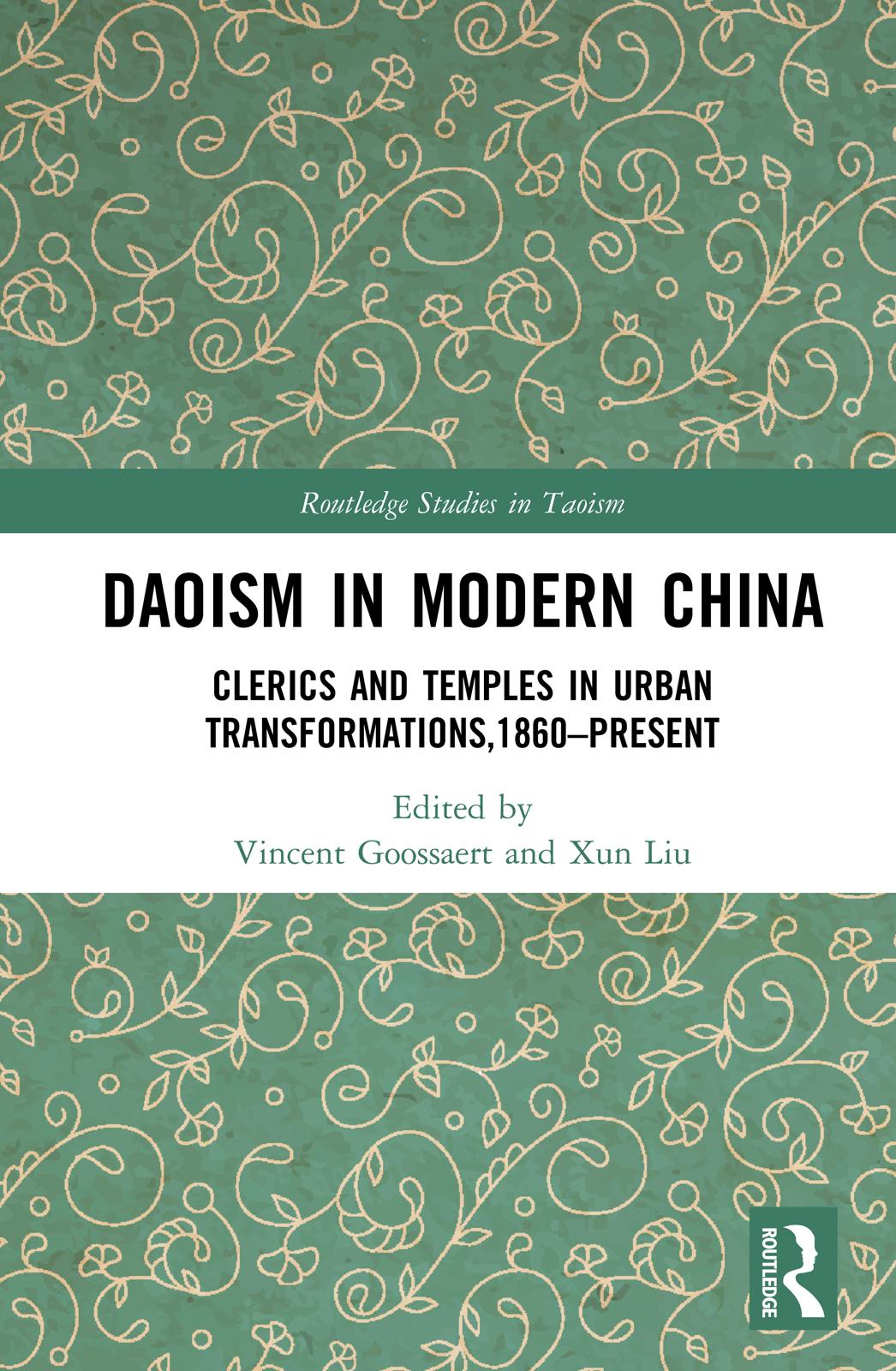
This book questions whether temples and Daoism are two independent aspects of modern Chinese religion or if they are indissolubly linked. It presents a useful analysis as to how modern history has changed the structure and organization of religious and social life in China, and the role that Daoism plays in this.
Using an interdisciplinary approach combining historical research and fieldwork, this book focuses on urban centers in China, as this is where sociopolitical changes came earliest and affected religious life to the greatest extent and also where the largest central Daoist temples were and are located. It compares case studies from central, eastern, and southern China with published evidence and research on other Chinese cities. Contributors examine how Daoism interacted with traditional urban social, cultural, and commercial institutions and pays close attention to how it dealt with processes of state expansion, commercialization, migration, and urban development in modern times. This book also analyses the evolution of urban religious life in modern China, particularly the ways in which temple communities, lay urbanites, and professional Daoists interact with one another.
A solid ethnography that presents an abundance of new historical information, this book will be of interest to academics in the field of Asian studies, Daoist studies, Asian religions, and modern China.
Paga fácilmente con tarjeta, Klarna, Apple Pay o Google Pay. ¿No estás contento? Siempre tienes 14 días de garantía de devolución. Lee más en nuestros términos. Si tienes preguntas, escríbenos a hello@memmo.org.
Memmo hace que estudiar sea más fácil, estés donde estés. Aquí tienes tus libros de texto y herramientas de estudio inteligentes en un solo lugar: resúmenes, quizzes, podcasts y flashcards. Y también a Ted, tu compañero de estudio que responde a todo lo que te preguntes. Más de 50 000 estudiantes ya estudian aquí. Está hecho para que aprendas más rápido y te estreses menos.