
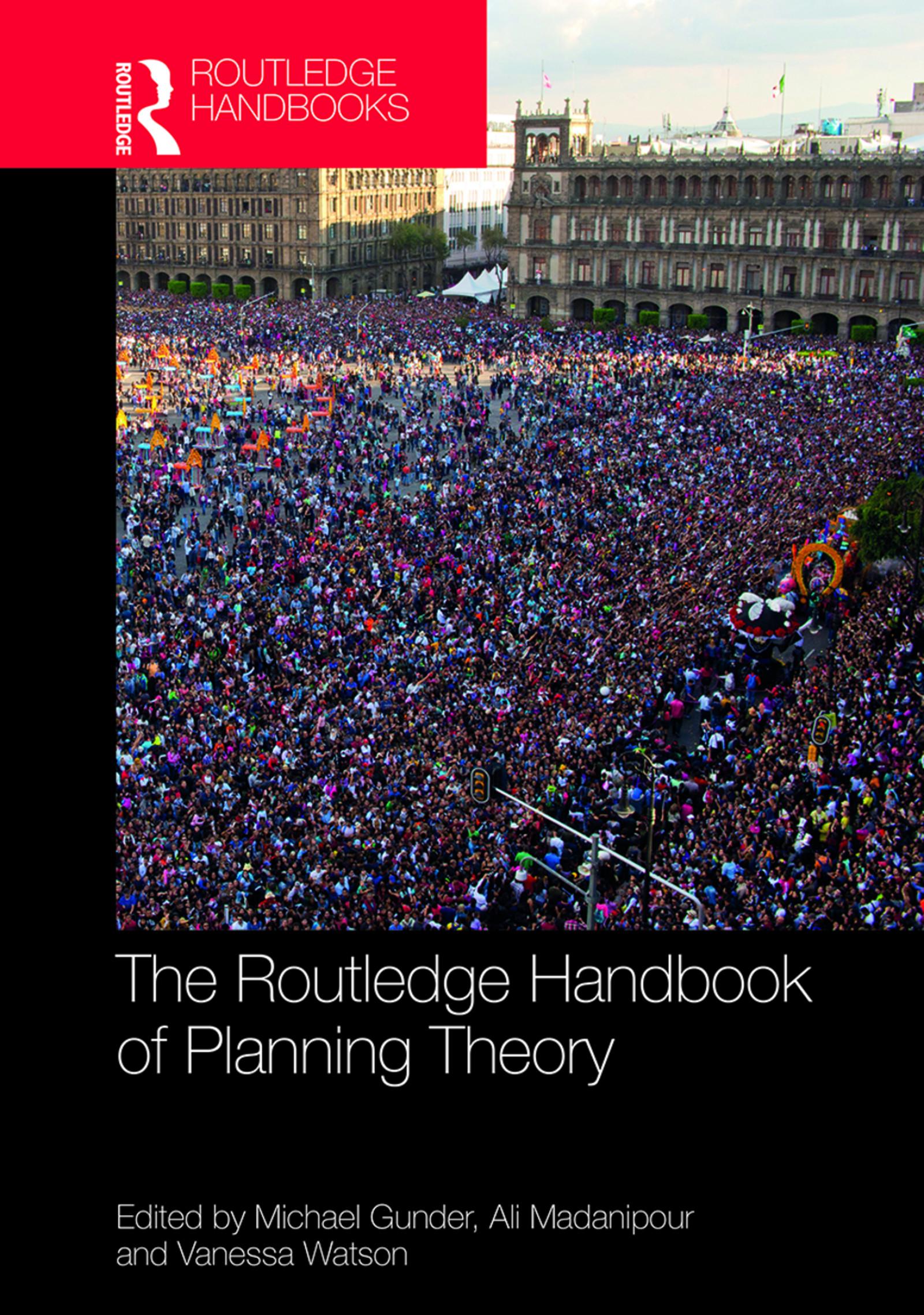
The Routledge Handbook of Planning Theory presents key contemporary themes in planning theory through the views of some of the most innovative thinkers in planning. They introduce and explore their own specialized areas of planning theory, to conceptualize their contemporary positions and to speculate how these positions are likely to evolve and change as new challenges emerge.
In a changing and often unpredictable globalized world, planning theory is core to understanding how planning and its practices both function and evolve. As illustrated in this book, planning and its many roles have changed profoundly over the recent decades; so have the theories, both critical and explanatory, about its practices, values and knowledges. In the context of these changes, and to contribute to the development of planning research, this handbook identifies and introduces the cutting edge, and the new emerging trajectories, of contemporary planning theory. The aim is to provide the reader with key insights into not just contemporary planning thought, but potential future directions of both planning theory and planning as a whole. This book is written for an international readership, and includes planning theories that address, or have emerged from, both the global North and parts of the world beyond.
Paga fácilmente con tarjeta, Klarna, Apple Pay o Google Pay. ¿No estás contento? Siempre tienes 14 días de garantía de devolución. Lee más en nuestros términos. Si tienes preguntas, escríbenos a hello@memmo.org.
Memmo hace que estudiar sea más fácil, estés donde estés. Aquí tienes tus libros de texto y herramientas de estudio inteligentes en un solo lugar: resúmenes, quizzes, podcasts y flashcards. Y también a Ted, tu compañero de estudio que responde a todo lo que te preguntes. Más de 50 000 estudiantes ya estudian aquí. Está hecho para que aprendas más rápido y te estreses menos.