
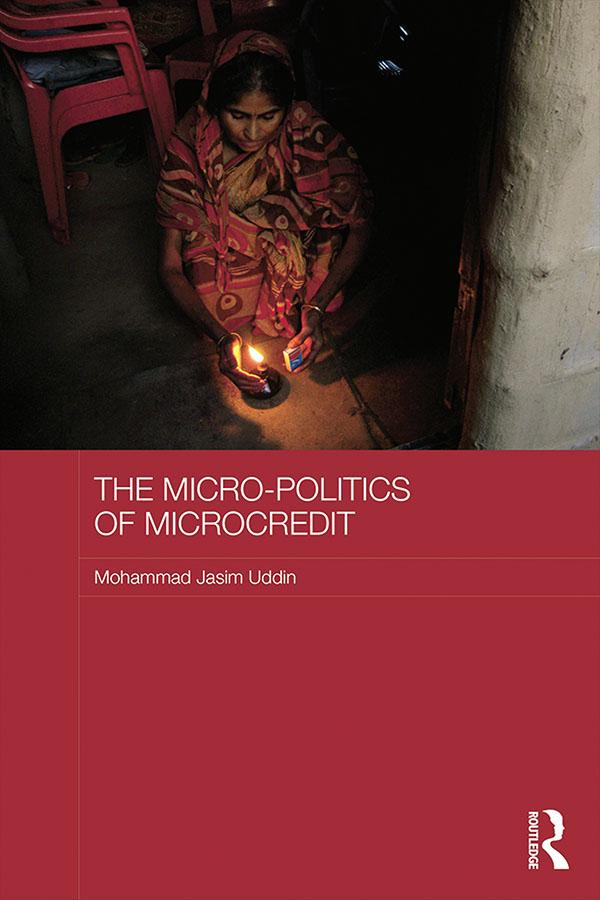
Microcredit has been seen in recent decades as having great potential for aiding development in poor developing countries, with Bangladesh being one of the countries which has pioneered microcredit and implemented it most widely. This book, based on extensive original research, explores how microcredit works in practice, and assesses its effectiveness. It discusses how microcredit, usually channelled through women, is often passed to the men of the family, a practice disapproved of by some, but regarded as acceptable by borrowers who have a communal approach to debt, rather than viewing debt as something held by single individuals. The book demonstrates how the rules around microcredit are often seem as irksome by the borrowers, how lenders often charge high rates of interest and work primarily to preserve their institutions, thereby going against the spirit of the microcredit movement, and how borrowers often end up on a downward spiral, deeper and deeper in debt. Overall, the book argues that although microcredit does much good, it also has many drawbacks.
Paga fácilmente con tarjeta, Klarna, Apple Pay o Google Pay. ¿No estás contento? Siempre tienes 14 días de garantía de devolución. Lee más en nuestros términos. Si tienes preguntas, escríbenos a hello@memmo.org.
Memmo hace que estudiar sea más fácil, estés donde estés. Aquí tienes tus libros de texto y herramientas de estudio inteligentes en un solo lugar: resúmenes, quizzes, podcasts y flashcards. Y también a Ted, tu compañero de estudio que responde a todo lo que te preguntes. Más de 50 000 estudiantes ya estudian aquí. Está hecho para que aprendas más rápido y te estreses menos.