
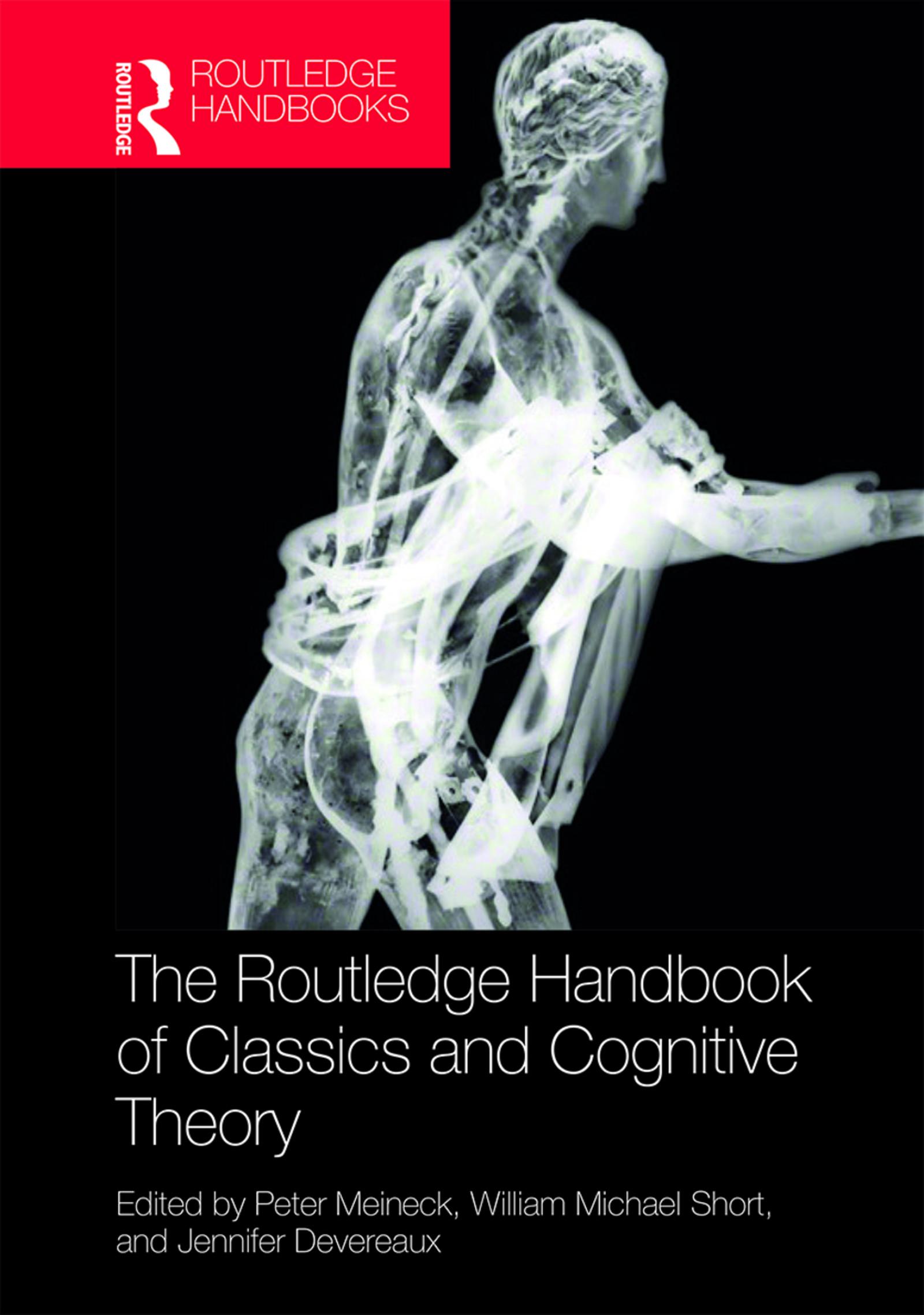
The Routledge Handbook of Classics and Cognitive Theory is an interdisciplinary volume that examines the application of cognitive theory to the study of the classical world, across several interrelated areas including linguistics, literary theory, social practices, performance, artificial intelligence and archaeology. With contributions from a diverse group of international scholars working in this exciting new area, the volume explores the processes of the mind drawing from research in psychology, philosophy, neuroscience, and anthropology, and interrogates the implications of these new approaches for the study of the ancient world.
Topics covered in this wide-ranging collection include: cognitive linguistics applied to Homeric and early Greek texts, Roman cultural semantics, linguistic embodiment in Latin literature, group identities in Greek lyric, cognitive dissonance in historiography, kinesthetic empathy in Sappho, artificial intelligence in Hesiod and Greek drama, the enactivism of Roman statues and memory and art in the Roman Empire.
This ground-breaking work is the first to organize the field, allowing both scholars and students access to the methodologies, bibliographies and techniques of the cognitive sciences and how they have been applied to classics.
Paga fácilmente con tarjeta, Klarna, Apple Pay o Google Pay. ¿No estás contento? Siempre tienes 14 días de garantía de devolución. Lee más en nuestros términos. Si tienes preguntas, escríbenos a hello@memmo.org.
Memmo hace que estudiar sea más fácil, estés donde estés. Aquí tienes tus libros de texto y herramientas de estudio inteligentes en un solo lugar: resúmenes, quizzes, podcasts y flashcards. Y también a Ted, tu compañero de estudio que responde a todo lo que te preguntes. Más de 50 000 estudiantes ya estudian aquí. Está hecho para que aprendas más rápido y te estreses menos.