
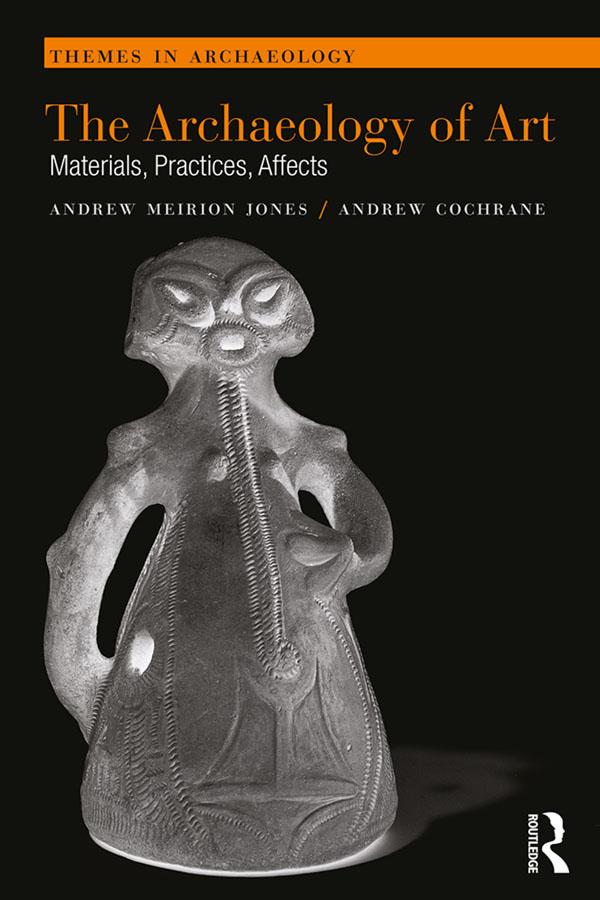
How can archaeologists interpret ancient art and images if they do not treat them as symbols or signifiers of identity?
Traditional approaches to the archaeology of art have borrowed from the history of art and the anthropology of art by focusing on iconography, meaning, communication and identity. This puts the archaeology of art at a disadvantage as an understanding of iconography and meaning requires a detailed knowledge of historical or ethnographic context unavailable to many archaeologists. Rather than playing to archaeology’s weaknesses, the authors argue that an archaeology of art should instead play to archaeology’s strength: the material character of archaeological evidence.
Using case studies - examining rock art, figurines, beadwork, murals, coffin decorations, sculpture and architecture from Europe, the Americas, Asia, Australia, and north Africa -the authors develop an understanding of the affective and effective nature of ancient art and imagery. An analysis of a series of material-based practices, from gesture and improvisation to miniaturisation and gigantism, assembly and disassembly and the use of distinctions in colour enable key concepts, such as style and meaning, to be re-imagined as affective practices. Recasting the archaeology of art as the study of affects offers a new prospectus for the study of ancient art and imagery.
Paga fácilmente con tarjeta, Klarna, Apple Pay o Google Pay. ¿No estás contento? Siempre tienes 14 días de garantía de devolución. Lee más en nuestros términos. Si tienes preguntas, escríbenos a hello@memmo.org.
Memmo hace que estudiar sea más fácil, estés donde estés. Aquí tienes tus libros de texto y herramientas de estudio inteligentes en un solo lugar: resúmenes, quizzes, podcasts y flashcards. Y también a Ted, tu compañero de estudio que responde a todo lo que te preguntes. Más de 50 000 estudiantes ya estudian aquí. Está hecho para que aprendas más rápido y te estreses menos.