
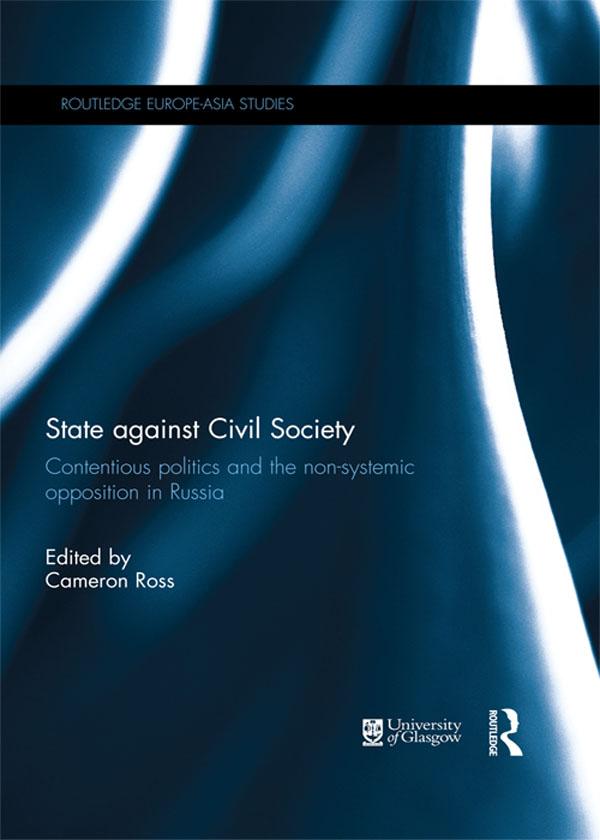
Over the period December 2011-July 2013, a tidal wave of mass protests swept through the Russian capital and engulfed scores of cities and regions. These demonstrations came as a great shock to the Russian political establishment. After decades of passive acceptance of the status quo, it appeared that civil society was at last awakening. The protests came in the wake of the "Arab Spring" revolts which toppled authoritarian dictators in Tunisia, Egypt and Libya. However, by the end of 2013 the number of mass protests in Russia, and their size, had declined precipitously. President Putin, on returning to office in 2012, had quickly regained the upper hand over the protestors.
This book examines the reasons for the rise and fall of the mass protests in the Russian Federation. Internationally renowned experts in the field of Russian politics from Russia and the UK provide important new insights into the nature of the mass opposition movement (the "non-systemic opposition"), its strengths and its weaknesses. A key novel aspect of the study is its focus on the national and regional dimensions of the protest movement, and its class and ethnic dimensions.
This book was published as a special issue of Europe-Asia Studies.
Paga fácilmente con tarjeta, Klarna, Apple Pay o Google Pay. ¿No estás contento? Siempre tienes 14 días de garantía de devolución. Lee más en nuestros términos. Si tienes preguntas, escríbenos a hello@memmo.org.
Memmo hace que estudiar sea más fácil, estés donde estés. Aquí tienes tus libros de texto y herramientas de estudio inteligentes en un solo lugar: resúmenes, quizzes, podcasts y flashcards. Y también a Ted, tu compañero de estudio que responde a todo lo que te preguntes. Más de 50 000 estudiantes ya estudian aquí. Está hecho para que aprendas más rápido y te estreses menos.