
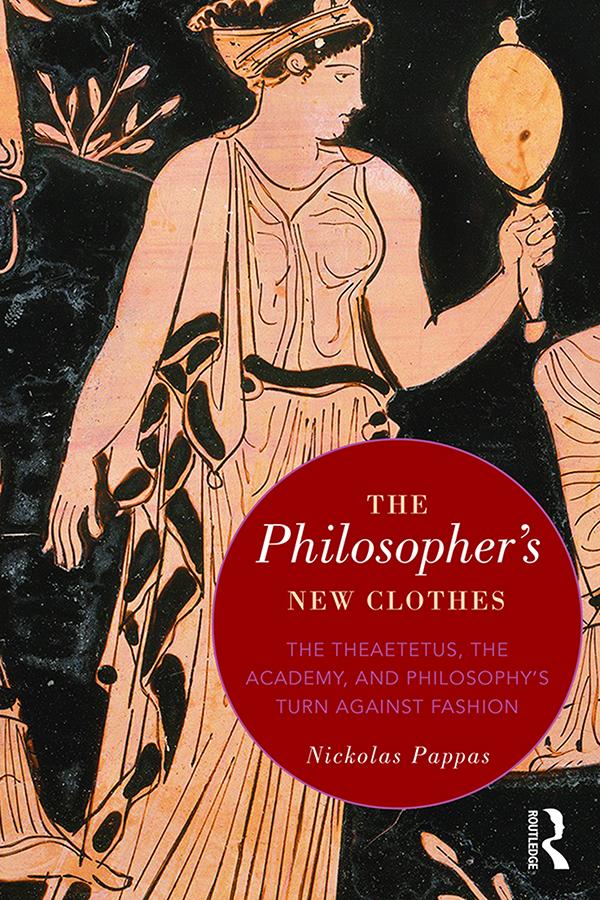
This book takes a new approach to the question, "Is the philosopher to be seen as universal human being or as eccentric?". Through a reading of the Theaetetus, Pappas first considers how we identify philosophers – how do they appear, in particular how do they dress? The book moves to modern philosophical treatments of fashion, and of "anti-fashion". He argues that aspects of the fashion/anti-fashion debate apply to antiquity, indeed that nudity at the gymnasia was an anti-fashion. Thus anti-fashion provides a way of viewing ancient philosophy’s orientation toward a social world in which, for all its true existence elsewhere, philosophy also has to live.
Paga fácilmente con tarjeta, Klarna, Apple Pay o Google Pay. ¿No estás contento? Siempre tienes 14 días de garantía de devolución. Lee más en nuestros términos. Si tienes preguntas, escríbenos a hello@memmo.org.
Memmo hace que estudiar sea más fácil, estés donde estés. Aquí tienes tus libros de texto y herramientas de estudio inteligentes en un solo lugar: resúmenes, quizzes, podcasts y flashcards. Y también a Ted, tu compañero de estudio que responde a todo lo que te preguntes. Más de 50 000 estudiantes ya estudian aquí. Está hecho para que aprendas más rápido y te estreses menos.