
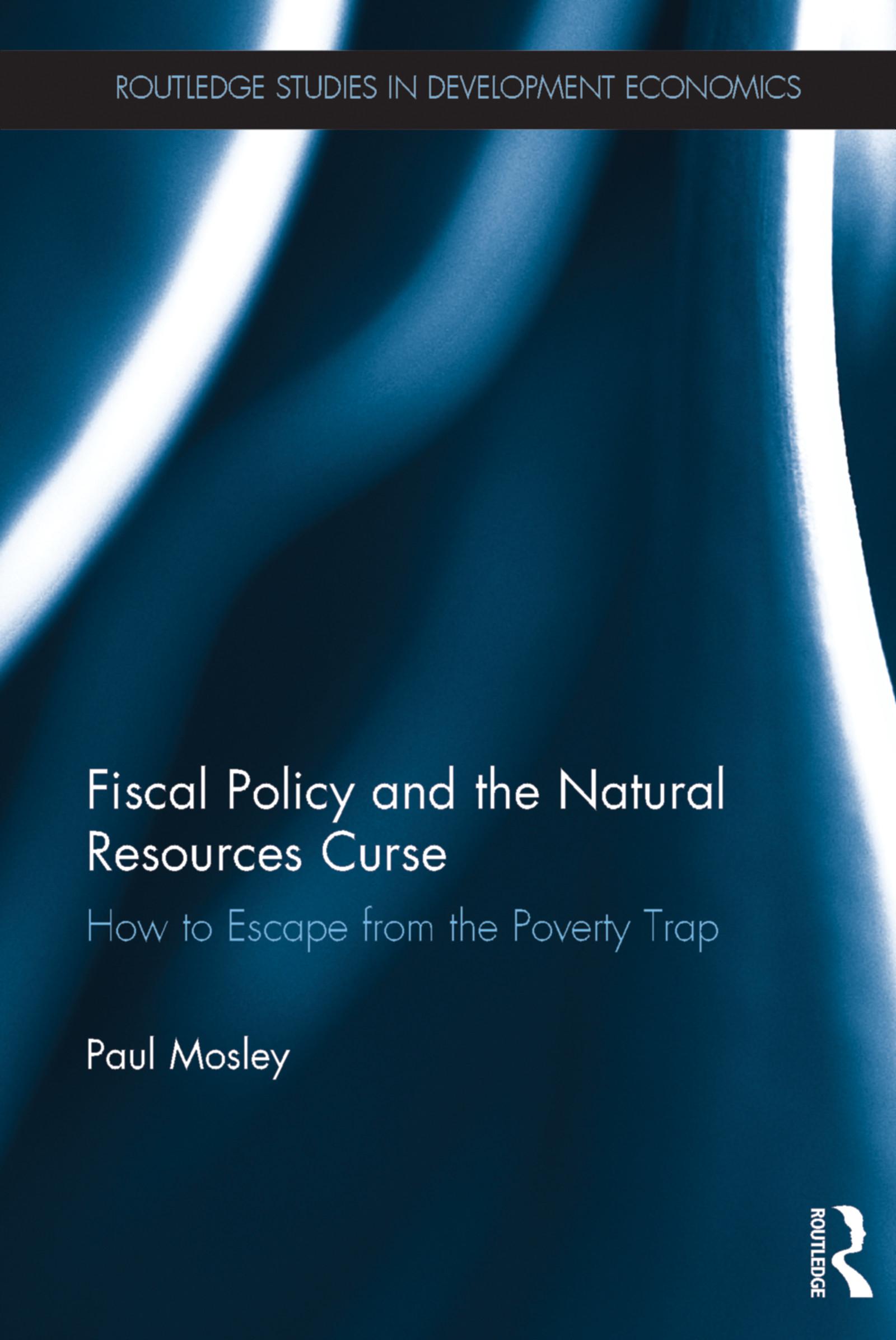
It is widely accepted that natural resource wealth, especially in the form of oil and minerals, can be a key factor in inhibiting economic development. Many of the countries that are richest in natural resources – including oil, metals and diamonds – are amongst the world’s poorest. Why?
Fiscal Policy and the Natural Resources Curse re-examines this ancient, unsolved puzzle, asking why many governments of natural resource-intensive countries are incapable, in a globalised world, of dealing with the natural-resource curse. This book offers a detailed analysis of the power-relationships which underpin the natural resource curse, using both statistical analysis and country case studies from Africa and Latin America to pinpoint the strategies that have enable developing countries to break out of the poverty trap. The book differs from other works on this subject, as it not only identifies the issues at stake but also offers solutions in the form of a series of suggested policy measures. The work focusses in particular on fiscal escape routes, namely measures to develop and diversify the tax system, and to reallocate and target public expenditure.
This volume will be of great interest to scholars of economic development, the economics of natural resources and economic growth as well as all those with an interest in development, global politics and anti-poverty policies.
Paga fácilmente con tarjeta, Klarna, Apple Pay o Google Pay. ¿No estás contento? Siempre tienes 14 días de garantía de devolución. Lee más en nuestros términos. Si tienes preguntas, escríbenos a hello@memmo.org.
Memmo hace que estudiar sea más fácil, estés donde estés. Aquí tienes tus libros de texto y herramientas de estudio inteligentes en un solo lugar: resúmenes, quizzes, podcasts y flashcards. Y también a Ted, tu compañero de estudio que responde a todo lo que te preguntes. Más de 50 000 estudiantes ya estudian aquí. Está hecho para que aprendas más rápido y te estreses menos.